



The geopolitical and humanitarian landscape of Afghanistan has reached a grim milestone. In May 2026, the Taliban’s supreme leader, Hibatullah Akhundzada, codified a new 31-article family law decree titled “Principles of Separation Between Spouses.”
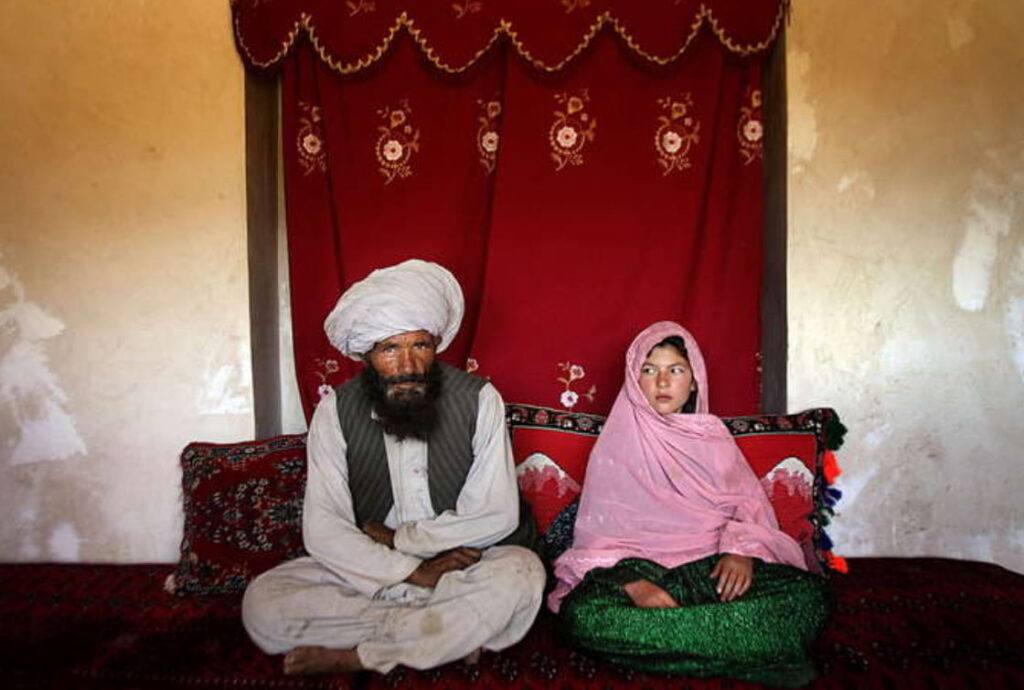
Among its most disturbing clauses is a provision stating that the silence of a “virgin girl” who has reached puberty can be legally interpreted as consent for marriage. By linking the legal age of marriage to the onset of biological puberty—which can occur as early as 12 years old—the de facto government has effectively institutionalized child marriage and normalized coercion under the guise of legal framework.
The Legacy of the 2021 US Withdrawal
The current crisis cannot be decoupled from the events of August 2021, when the United States and its coalition allies executed a rapid, chaotic withdrawal from Kabul. The departure brought an abrupt end to a two-decade-long nation-building experiment, leaving behind billions of dollars in military hardware and a vacuum that the Taliban filled within days.
During the occupation, Western nations championed the cause of Afghan women, funding schools, universities, and legal defense networks. However, the sudden exit left these vulnerable populations entirely unprotected. The structural safeguards for human rights collapsed overnight, transforming Afghanistan from a developing republic into what the United Nations now openly describes as a system of “gender apartheid.”
Codifying Gender Apartheid: A Look at Current Taliban Laws
The new family law is merely the latest layer in a comprehensive legal system designed to systematically erase women from public life. To enforce these measures and prevent coordinated domestic resistance or the flow of documentation to the outside world, the regime frequently employs localized and national internet blackouts, cutting off entire provinces from global communication networks.
Below is a summary of the draconian legal landscape governing Afghanistan:
| Legal Area | Current Rule under Taliban Decrees | Societal and Legal Impact |
| Marriage Consent | Silence of a virgin girl after puberty equals legal consent. | Erases a minor’s veto power; legalizes forced child marriage. |
| Age of Maturity | Tied directly to puberty (historically recognized from age 12). | Removes the fixed statutory age of protection (formerly 16). |
| Education | Strict ban on girls attending school past the sixth grade. | Systematically bars women from higher education and professional fields. |
| Domestic Violence | Husbands are only liable if they cause visible bodily harm. | Normalizes psychological, emotional, and non-marking sexual abuse. |
| Public Presence | Women must be fully covered and accompanied by a mahram (male guardian). | Restricts freedom of movement; criminalizes solo travel or presence in parks. |
| Justice System | Women must testify before male judges while fully covered. | Victims must face abusers without independent legal representation. |
The Activism Paradox: Why Western Movements Hesitate
The horrors unfolding in Kabul have highlighted a stark disconnect within modern Western social movements. While intersectional feminist groups and human rights organizations are highly vocal on social media regarding domestic issues or corporate representation in the West, there is a visible reluctance to physically deploy resources, establish underground networks, or directly confront the Taliban regime on the ground.
This hesitation stems from a mixture of physical reality and ideological complications:
- The Security Void: Unlike traditional authoritarian regimes, the Taliban does not respect international diplomatic immunity or NGO status. For a Western activist, entering Afghanistan means risking immediate detention, public execution, or being held as a political hostage. There is no legal framework or foreign military presence to guarantee survival.
- Ideological Friction: Some Western academic circles struggle to criticize fundamentalist regimes due to a desire to avoid charges of cultural imperialism or Islamophobia. This has led to a paralysis where severe, state-sponsored misogyny is met with bureaucratic condemnation rather than direct, aggressive intervention.
How Global Society Can Influence the Regime
With direct military intervention off the table, the international community must find alternative, structural methods to pressure the Taliban and support Afghan women.
Technical and Digital Intervention
Because the Taliban relies on internet blackouts to hide human rights violations, Western tech entities and governments must provide alternative communication channels. Expanding access to satellite internet networks (like Starlink) and funding robust, free VPN services can help local activists bypass state controls, document abuses, and coordinate safe passages.
Strict Non-Recognition and Financial Isolation
The international community must maintain a unified front regarding diplomatic isolation. No foreign government should grant formal recognition to the Taliban administration until basic human rights and protections for minors are restored. Financial sanctions must be surgically targeted to prevent regime elites from accessing international banking networks, while ensuring that strictly monitored humanitarian aid reaches the civilian population via independent agencies rather than through Taliban ministries.
Conclusion
The evolution of Afghanistan into a legal environment where a child’s silence is codified as wedding consent is a harrowing reminder of what happens when geopolitical convenience takes precedence over human rights. The international community’s current strategy of passive condemnation is failing. Only through aggressive digital support, uncompromising diplomatic isolation, and a willingness to confront the realities of religious extremism can global society hope to restore a voice to the silenced girls of Afghanistan.