
When legal systems evaluate physical evidence in criminal and civil proceedings, the objective application of scientific principles is essential. Millions of students, legal professionals, and curious researchers ask what is forensic science and how does forensic science work when investigating complex cases.
At its core, forensic science (often referred to simply as forensics or forensics science) represents the application of scientific disciplines to matters of law. Derived from the Latin term forensis—meaning “of or before the forum”—the formal forensic science definition encompasses any scientific field used within the justice system to analyze physical evidence, reconstruct events, and provide objective findings in court.
Defining the Scope and Historical Foundations of Forensic Sciences
Understanding what is forensics requires examining how natural, physical, and social sciences intersect with criminal and civil law. The broad field of forensic sciences incorporates specialized domains ranging from chemistry and biology to digital engineering and behavioral analysis.
When exploring the history of forensic science, early legal systems relied heavily on witness testimony and circumstantial claims. Over the past two centuries, the development of fingerprint identification, serology, ballistic comparisons, and DNA profiling transformed forensic investigations. Today, science in forensics serves as an indispensable tool for establishing facts, exonerating the innocent, and identifying perpetrators with high statistical confidence.
What Does a Forensic Scientist Do in the Legal System
A common question among those exploring STEM career paths is what does a forensic scientist do on a day-to-day basis. A qualified forensic scientist (or forensic expert) performs two primary roles within the justice system: technical laboratory analysis and courtroom testimony.
When reviewing what do forensic scientists do, their primary responsibilities include:
- Evidence Collection and Documentation: Securing, documenting, and preserving forensic evidence collected from crime scenes or civil investigation sites.
- Scientific Examination and Testing: Utilizing specialized laboratory equipment to perform forensic analysis on unknown substances, biological samples, digital devices, and physical traces.
- Objective Interpretation: Evaluating laboratory data using validated scientific methods to formulate unbiased technical conclusions.
- Expert Witness Testimony: Serving as an expert witness forensic science authority in judicial proceedings, explaining complex technical findings to judges and juries in clear, accessible language.
Major Forensic Disciplines and Specialized Fields of Study
The field of criminal science is vast, encompassing numerous sub-disciplines tailored to specific types of evidence. Individuals pursuing a forensic study or enrolled in a forensic science degree program encounter several core branches:
Criminalistics and Pattern Evidence
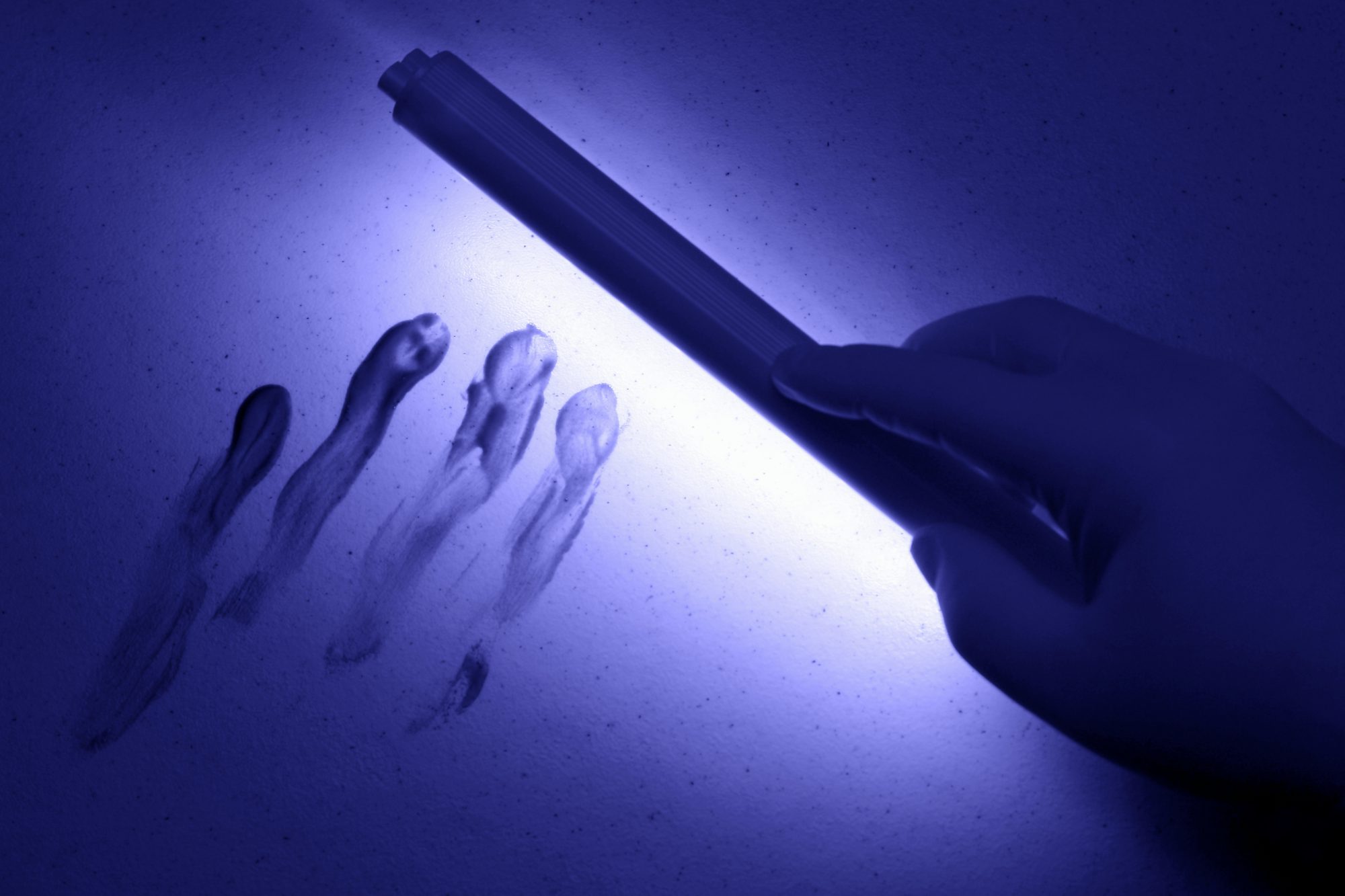
Criminalistics forms the backbone of traditional forensic investigation. It involves analyzing physical traces such as controlled substances, latent fingerprints, toolmarks, firearms discharge residue, footwear impressions, and trace evidence like fibers, glass, and paint chips.
Forensic Biology and DNA Analysis
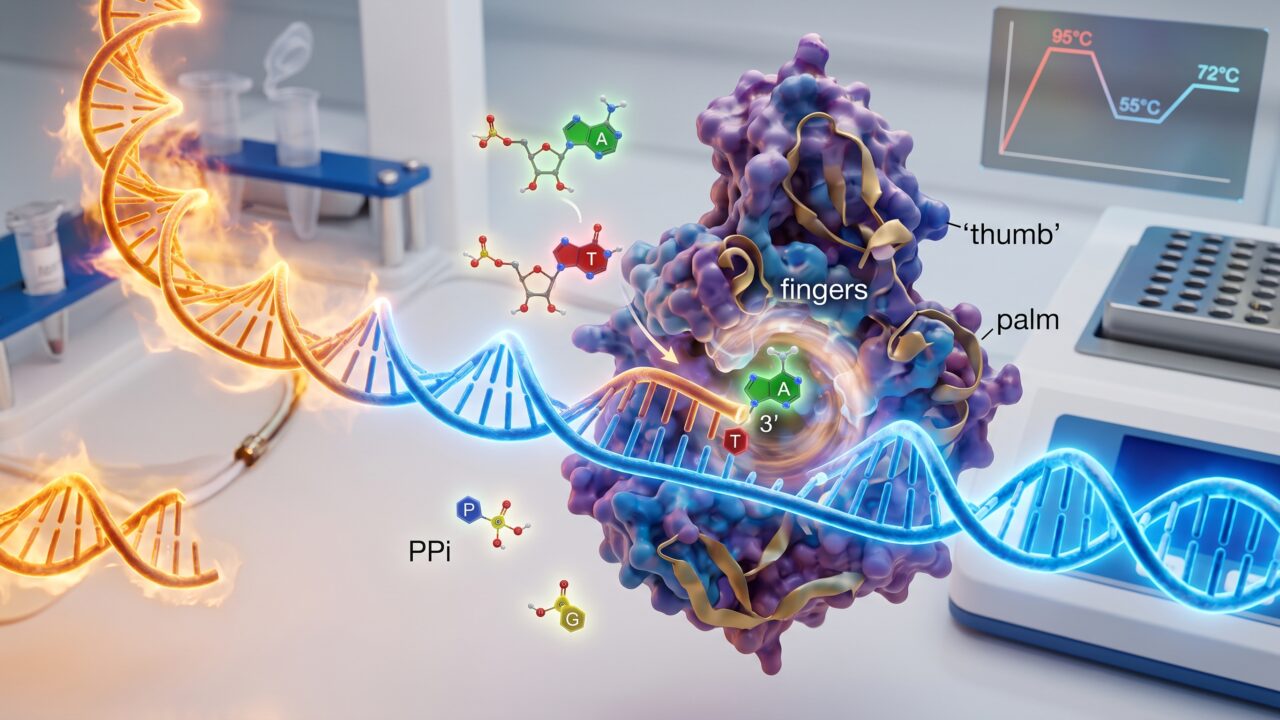
Biological examination utilizes molecular biology and genetics to analyze body fluids, hair roots, and tissue samples. The introduction of modern short tandem repeat (STR) DNA profiling revolutionized forensic testing, enabling practitioners to identify individuals with extraordinary precision.
Forensic Pathology and Medicolegal Death Investigation
Pathologists perform autopsies and post-mortem examinations to determine the cause, manner, and mechanism of death in sudden, unexplained, or violent circumstances.
Digital and Multimedia Forensics
With the rise of modern technology, digital forensics science extracts, recovers, and analyzes data from mobile devices, cloud storage, computer hard drives, and network logs to investigate cybercrime and financial fraud.
Department of Justice Standards and Quality Assurance in Forensic Laboratories
The integrity of the justice system depends on the reliability of scientific evidence presented in court. The Department of Justice emphasizes strict quality assurance standards, laboratory accreditation, and rigorous proficiency testing for all forensic practitioners.
To ensure forensic evidence remains admissible and dependable, accredited laboratories adhere to standardized operational protocols:
| Assurance Pillar | Implementation Strategy | Impact on the Justice System |
| Scientific Validation | Peer-reviewed methodologies and standardized operating procedures | Prevents unvalidated techniques from entering courtrooms |
| Chain of Custody | Rigorous documentation tracking evidence transfer from scene to lab | Guarantees evidence integrity and prevents tampering claims |
| Proficiency Testing | Annual external evaluations of laboratory staff competencies | Maintains high analyst precision and minimizes testing errors |
| Code of Professional Responsibility | Ethical standards prohibiting bias, evidence concealment, or exaggerated claims | Protects constitutional rights and preserves public trust |
Educational Pathways and How to Become a Forensic Scientist
Students asking how to become a forensic scientist should understand that the field requires a strong academic foundation in physical sciences. Unlike dramatized television depictions, genuine forensic science background preparation involves rigorous coursework in chemistry, biology, physics, mathematics, and statistics.
Key steps for pursuing a career as a forensic scientist include:
- Earning a Relevant Bachelor’s Degree: Complete an undergraduate degree in chemistry, biology, forensic science, or a related natural science discipline from an accredited institution.
- Gaining Laboratory Experience: Participate in internships, undergraduate research projects, or entry-level laboratory analyst positions to build hands-on technical skills.
- Specializing and Seeking Certification: Pursue specialized graduate coursework or professional certifications through recognized credentialing bodies like the American Board of Criminalistics (ABC).
Frequently Asked Questions
What is the main purpose of forensic science in a criminal trial?
The primary goal of forensic science is to provide objective, science-based information to assist judges, juries, and legal teams in determining factual truth. Forensic findings serve to either link a suspect to a crime scene or exclude innocent individuals from suspicion.
What is the difference between a forensic scientist and a crime scene investigator?
A crime scene investigator primarily works in the field to identify, document, preserve, and collect physical evidence from a scene. A forensic scientist typically works within an accredited laboratory analyzing that evidence using advanced analytical equipment and statistical models.
Is forensic science considered a physical science?
Yes. Forensic science relies directly on core physical and natural sciences—primarily chemistry, biology, physics, and geology—to analyze physical evidence according to established scientific methods.