


The landscape of cancer treatment is undergoing a seismic shift, moving away from the “scorched earth” approach of traditional chemotherapy toward the precision of molecular programming. At the heart of this revolution lies messenger RNA (mRNA) technology. While globally recognized for its role in the COVID-19 pandemic, mRNA’s true potential may lie in its ability to reprogram the cellular machinery of cancer cells.
Disrupting the Onco-Proteomic Chain
Cancer is essentially a disease of “broken instructions.” During oncogenesis, genetic mutations lead the cell to produce pathogenic, non-functional, or overactive proteins that drive uncontrolled tumor growth. The most critical challenge in modern oncology is not just killing the cell, but stopping the synthesis of these pathogenic proteins.
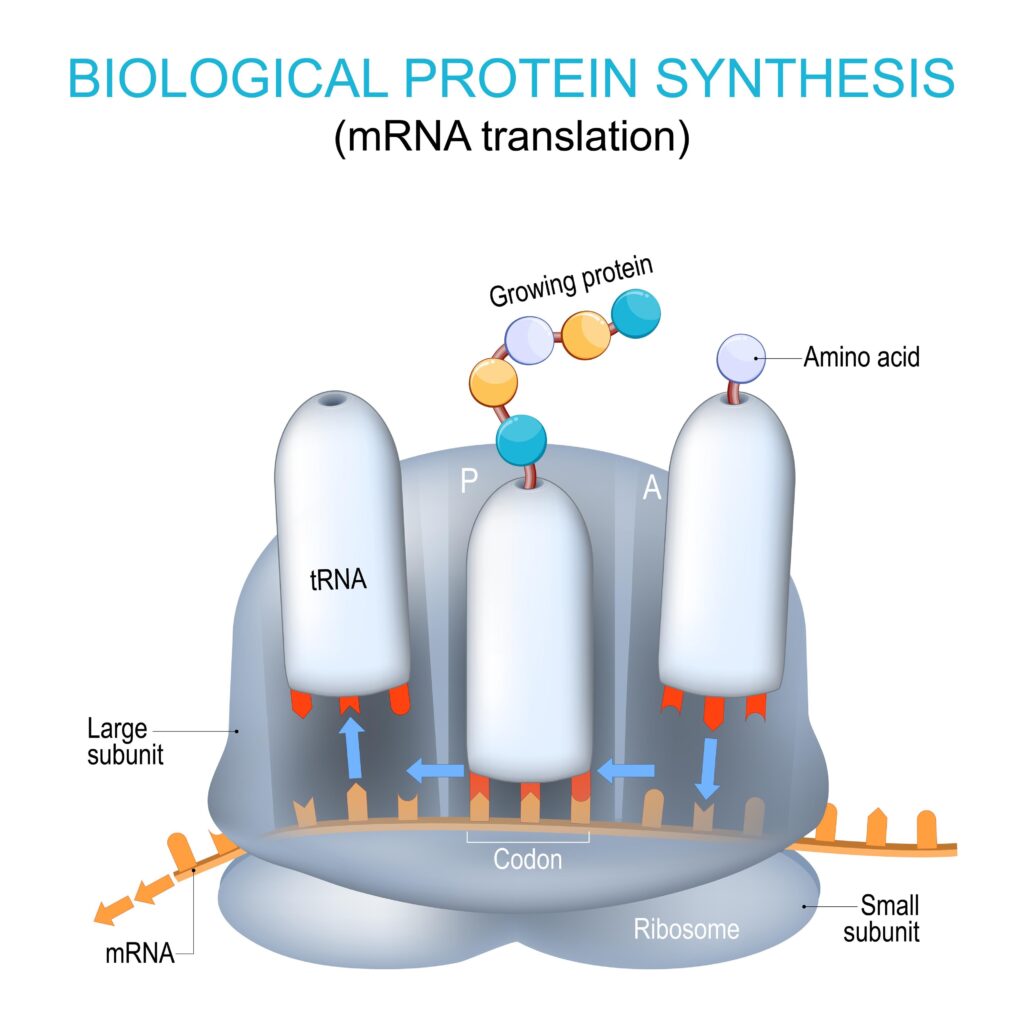
mRNA acts as the blueprint (the “template”) for protein synthesis. By introducing a synthetic, engineered mRNA sequence into the body, scientists can effectively “hijack” the ribosomal machinery. This offers two groundbreaking pathways:
- Replacement Therapy: Substituting a “broken” genetic instruction with a healthy mRNA template to restore functional protein production.
- Synthesis Blocking: Using mRNA-based instructions to trigger the immune system to recognize and destroy specific mutant proteins, effectively blocking the synthesis pathway used by the tumor to survive and evade detection.
The Silicon Ally: AI and the Democratization of Drug Discovery
The complexity of oncogenesis means that every tumor is genetically unique. This is where Artificial Intelligence (AI) becomes the ultimate catalyst. AI algorithms can analyze billions of genetic data points to identify the exact “mutant signature” of a specific cancer, allowing for the design of a bespoke mRNA vaccine in a fraction of the time required by traditional methods.
A compelling real-world example of this synergy involves a software engineer who took matters into his own hands. When his dog was diagnosed with a terminal, “untreatable” cancer, he utilized his background in data science to analyze the animal’s mutant gene sequences.
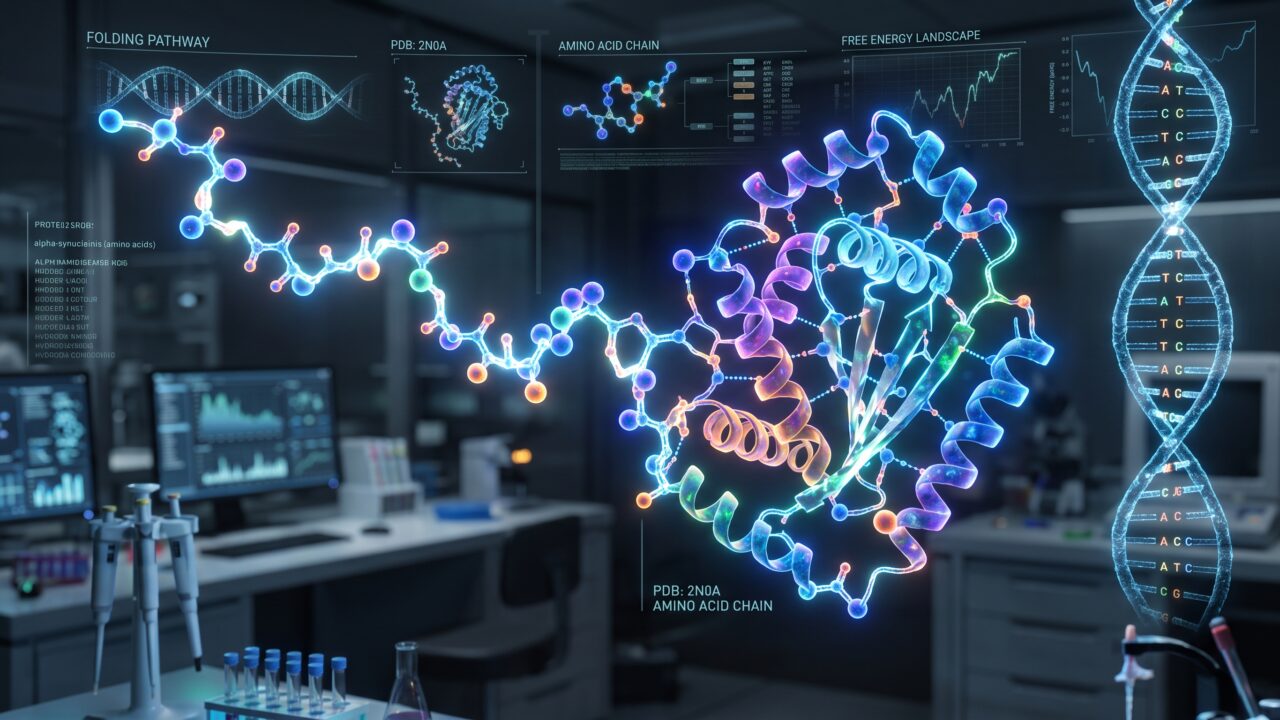
By employing AI to map the specific protein folding and genetic aberrations of the tumor, he collaborated with specialized biotechnologists to synthesize a custom mRNA sequence. This experimental vaccine was designed to train the dog’s immune system to attack only the cells carrying that specific mutation. Remarkably, the treatment worked—the tumor regressed, providing a powerful proof-of-concept for how IT specialists and AI can bridge the gap between complex genetic data and life-saving medicine.
A Personalized Frontier
The shift toward mRNA vaccines represents a move from “treating the cancer” to “re-coding the patient.” Because mRNA is a digital-to-biological technology, once the genetic sequence is known, the “vaccine” is essentially a piece of code
As AI continues to lower the barrier for genetic analysis, we are approaching an era where oncology will be treated with the same precision as a software update—identifying the “bug” in the genetic code and deploying an mRNA patch to fix it.