



An analysis of the strategic use of deserts for solar power, why solar energy is not a universal solution, and the contrasting energy strategies of Europe and China.
Deserts as the New Power Plants: The Logic of Arid Spaces
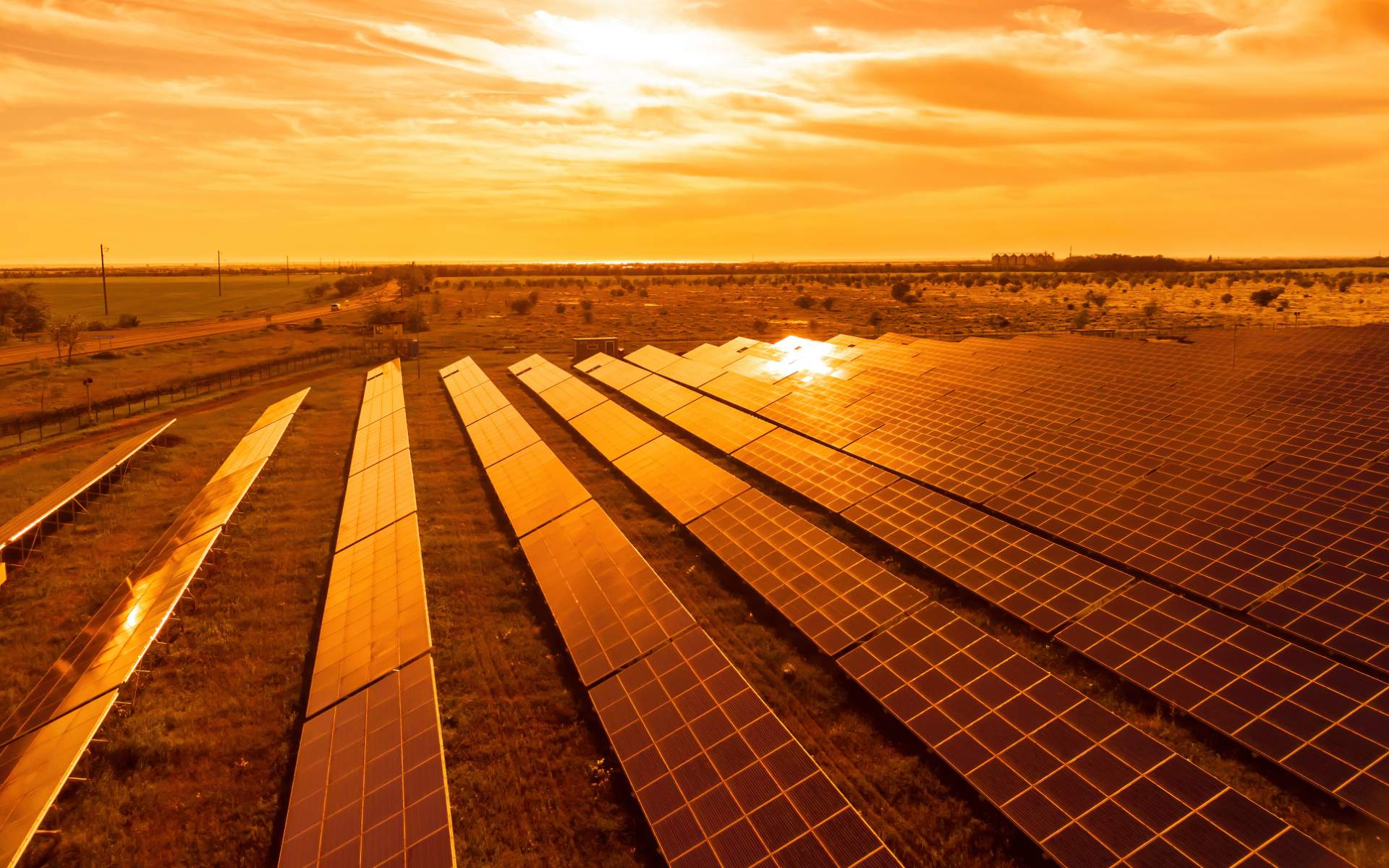
Deserts are increasingly being viewed not as barren wastelands, but as the world’s most efficient solar batteries. The geographical advantages are obvious: vast, uninhabited land, minimal cloud cover, and peak solar irradiance. Countries with large arid regions have a natural head start in the race for renewable energy, using these spaces to host “mega-farms” that would be impossible to build in densely populated or forested areas.
China’s Massive Leap: The Gobi Strategy
China leads the world in solar capacity, primarily by utilizing the Gobi Desert. Their approach is one of unprecedented scale, constructing solar bases that can generate gigawatts of power. However, China’s strategy is notably pragmatic. Unlike many Western nations, China is not rushing to dismantle its traditional energy base. They utilize solar power to offset carbon emissions and meet growing demand, but they maintain and even expand their coal and thermal power capacities. This “hybrid” model ensures that when the sun goes down or dust storms cover the panels, the national grid remains stable. China views solar as a powerful supplement, not a total replacement.
The European Gambit: The Risk of Over-Reliance
In contrast, Europe has made an aggressive bet on wind and solar energy, investing trillions of euros into the “Green Deal.” The European strategy has involved the rapid decommissioning of coal-fired plants and, most controversially, the shutdown of nuclear reactors in countries like Germany.
The reality, however, has proven difficult. Solar and wind are inherently intermittent. Europe’s geographical footprint is smaller and more prone to seasonal shifts than the vast deserts of Asia or Africa. On days with low wind and high cloud cover—the “Dunkelflaute”—energy prices skyrocket, and the grid becomes precariously dependent on imports. Many critics now argue that the premature closure of nuclear and thermal stations was a strategic error that compromised energy security for the sake of climate targets.
Why Solar Energy is Not a Panacea
While the potential of solar energy is immense, it faces several “hard” physical and economic limits that prevent it from being the sole solution to global energy needs.
- The Storage Bottleneck The sun does not shine 24/7, yet industrial societies require a “baseload”—a constant, steady flow of electricity. Current battery technology (lithium-ion) is expensive, resource-intensive, and lacks the capacity to store enough energy to power entire countries for days of low sun.
- Transmission Loss Deserts are often thousands of miles away from the cities that need the power. Transporting electricity over long distances results in significant energy loss. Building the high-voltage DC lines required to move “desert power” to urban centers is an engineering challenge that costs billions and takes decades.
- Environmental Impact Covering thousands of square miles of desert with glass and metal alters local ecosystems. It changes the albedo (reflectivity) of the ground, which can actually alter local weather patterns and impact the fragile species that call the desert home.
The Practical Path Forward: Combination over Substitution
The comparison between Europe’s struggle and China’s growth suggests that the most successful energy transitions are those that embrace diversity. Relying solely on solar and wind—as Europe has attempted—ignores the laws of physics regarding grid stability.
Solar energy is an incredible tool, especially when harvested in the world’s great deserts, but it functions best as part of a “triple-threat” strategy:
- Renewables for low-cost, carbon-free daytime power.
- Nuclear for a reliable, carbon-free baseload.
- Traditional Thermal (with carbon capture) as a strategic reserve.
Balancing Ambition with Reality
The transition to green energy is necessary, but the “solar-only” dream is running into the reality of industrial demands. China’s success shows that old and new technologies can coexist to provide stability, while Europe’s energy crisis serves as a warning against moving too fast without a reliable backup. Deserts will light up our future, but they cannot do it alone; a resilient civilization requires an energy portfolio that is as diverse as it is ambitious.