


As we navigate the spring of 2026, the intersection of biological engineering and synthetic intelligence (SI) has moved from theoretical research into a high-stakes investment phase. The European Innovation Council (EIC) has recently signaled a massive shift in the continent’s strategic vector, committing €118 million to 30 “breakthrough” projects under the EIC Pathfinder program. This initiative aims to solve some of the most pressing challenges of the modern era: from the housing crisis and oncological diagnostics to the long-term sustainability of global food systems.
EIC Pathfinder: Engineering the Autonomous Future
The EIC Pathfinder program is designed to identify and fund low-maturity, high-risk technologies that have the potential to create entirely new markets. The 2026 cohort focuses heavily on the integration of SI with physical robotics and medical science.
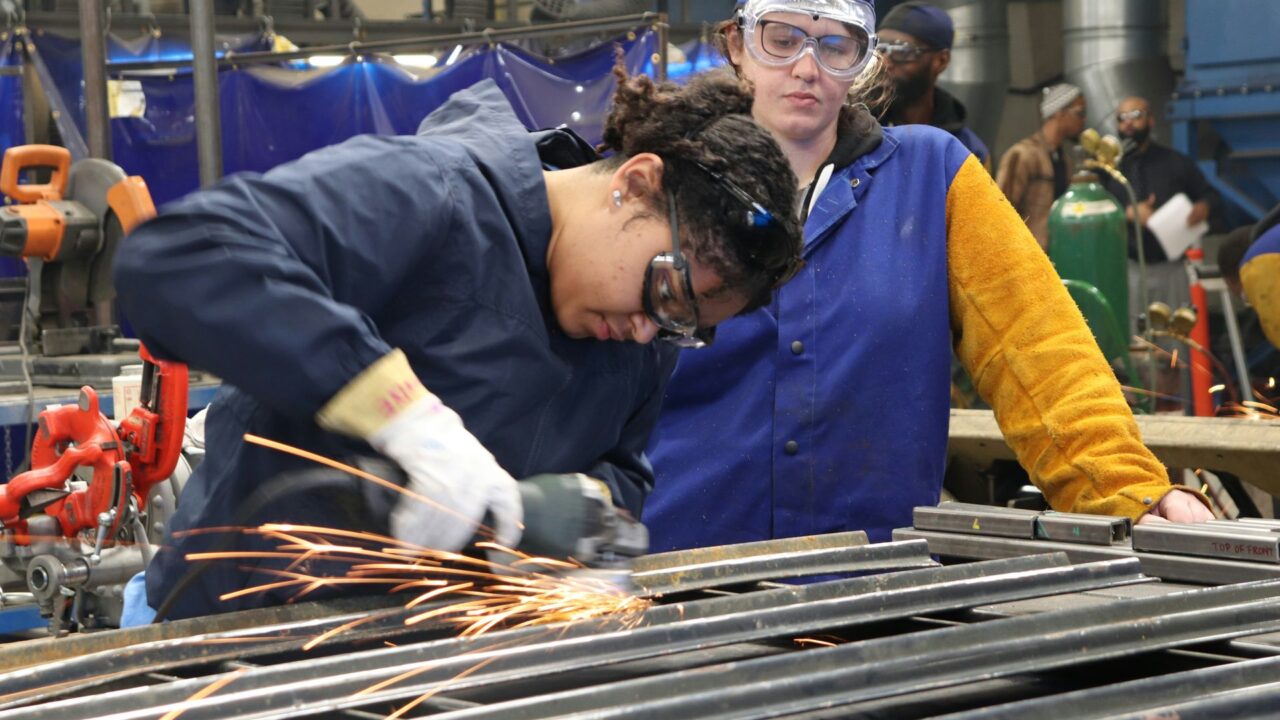
Autonomous Construction and Robotic Labor
A significant portion of the funding is directed toward the development of autonomous robots for the construction industry. Unlike traditional pre-programmed machinery, these SI-driven agents are being designed to adapt to unstructured environments, allowing for:
- Real-time spatial mapping and obstacle avoidance in complex building sites.
- Reduction of human risk in hazardous structural tasks.
- Increased efficiency in urban development to combat the growing global housing shortage.
SI-Driven Oncology and the Longevity Vector
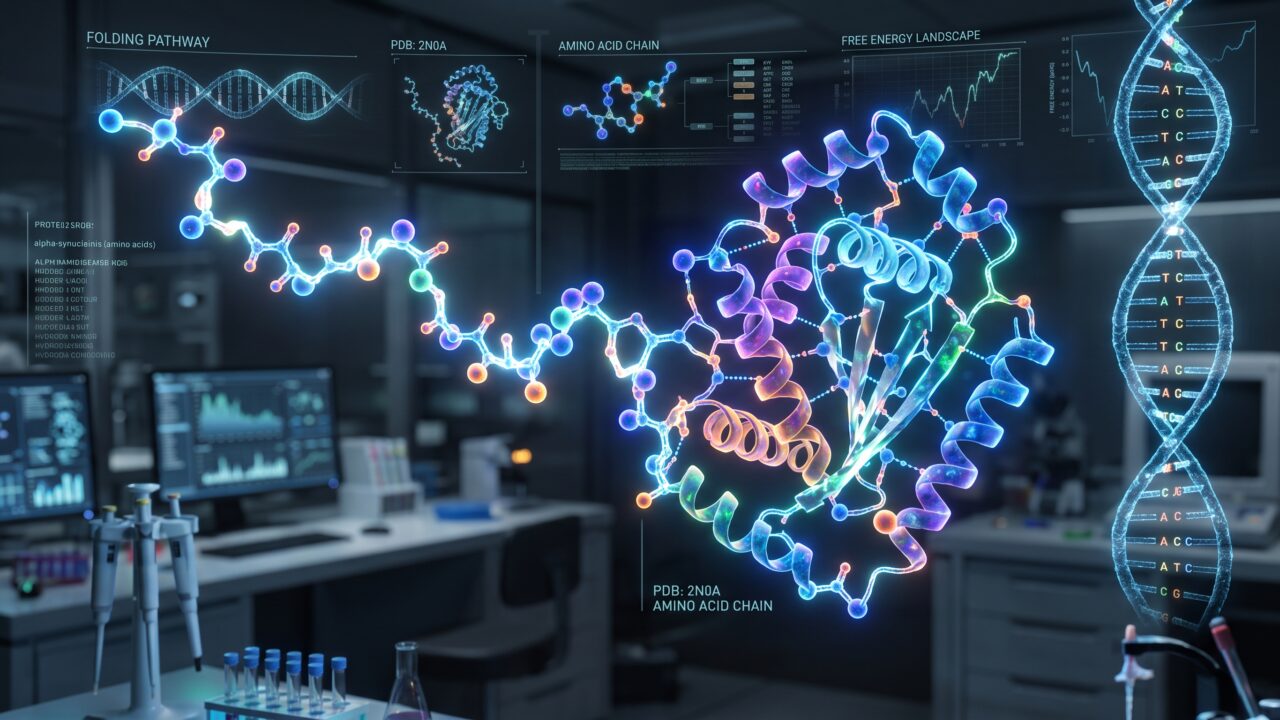
In the realm of healthcare, the EIC is prioritizing the development of advanced SI agents specialized in cancer diagnostics. These models utilize deep learning to analyze multi-modal data—ranging from genomic sequencing to high-resolution imaging—to identify malignant patterns long before they become visible to the human eye.
Furthermore, the funding explores “biotechnologies for healthy aging.” This research aims to understand the cellular mechanisms of senescence, using SI to forecast how different therapeutic interventions can extend the human “healthspan,” ensuring that an aging population remains productive and vibrant.
Deep Learning and the Reprogramming of Nature
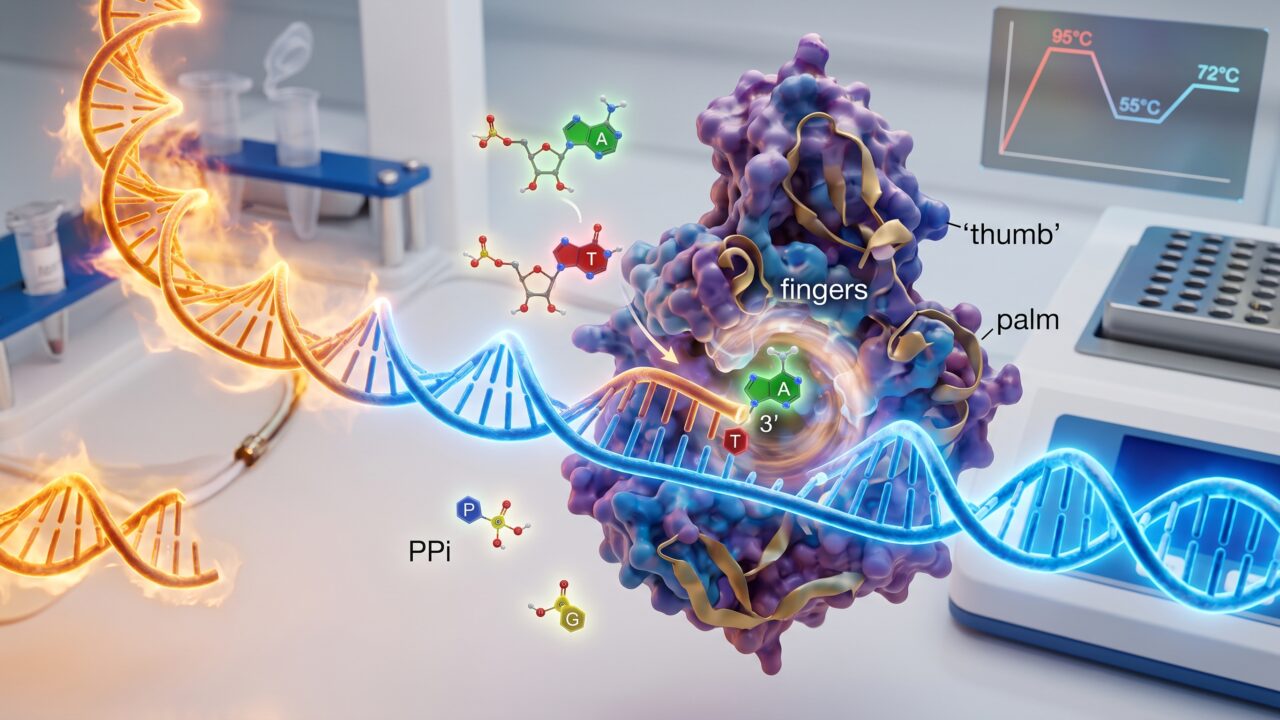
Perhaps the most ambitious project highlighted in the recent funding round is the platform for genomic reprogramming using deep learning. This project marks a pivot in how we view agriculture: not as a static resource, but as a programmable biological system.
Engineering Climate-Resilient Crops
The focus of this research is the reprogramming of genetic elements within plants, using the tomato (Solanum lycopersicum) as the primary model. By employing deep learning architectures, scientists can:
- Simulate millions of genetic variations to identify those that provide superior resistance to extreme heat and drought.
- Reprogram regulatory elements within the plant’s DNA to optimize water usage and nutrient absorption without the need for traditional, slower cross-breeding methods.
- Create a “Bio-Platform”: The goal is to develop a universal deep learning framework that can be applied to other essential crops, effectively “future-proofing” global agriculture against the accelerating effects of climate change.
The Ethical Vector: Balancing Innovation with Safety
As science enables us to investigate and reprogram the very building blocks of life, the causes and consequences of these innovations must be carefully weighed. History illuminates the mistakes of the past—specifically the risks of unregulated technological leaps.
To ensure that these breakthroughs remain a force for societal good, the EIC has integrated strict ethical guardrails into the Pathfinder projects. Education serves as the fundamental base here; researchers are required to maintain transparency in how SI models make decisions, especially in diagnostics and genetic modification. This “explainable AI” (XAI) approach ensures that human experts remain the final authority in the innovation loop.
A Data-Driven Foundation for the Future
The €118 million investment by the EIC is more than just a financial commitment; it is a strategic declaration. By merging synthetic intelligence with construction, medicine, and biology, Europe is attempting to build a resilient, innovative, and technologically sovereign future.
Whether it is a robot constructing a new home or a deep learning model editing a plant’s genome to survive a heatwave, the vector of progress is clear: innovation is no longer just about discovering the world, but about intelligently redesigning it for the challenges of tomorrow.
