

In the grand theater of biological history, mammals and plants evolve at a glacial pace, taking millions of years to adapt to new environments. Meanwhile, viruses operate on a completely different timeline. A virus can undergo more evolutionary change in a single week than a human lineage achieves in a hundred millennia. This staggering speed is not just a biological quirk—it is a sophisticated survival strategy that positions viruses as the most potent regulators of life on Earth.
The Turbocharged Engine of Horizontal Gene Transfer
The primary reason viruses evolve so rapidly compared to complex organisms is their reliance on a phenomenon known as Horizontal Gene Transfer (HGT). Unlike mammals, which rely on vertical gene transfer—the slow passing of genes from parent to offspring—viruses are masters of shuffling the genetic deck. When two different viruses infect the same host cell, they can swap entire segments of genetic material in a process called recombination. This serves as a “shortcut” to evolution, allowing a virus to acquire entirely new traits in a single generation rather than waiting for random mutations to accumulate.
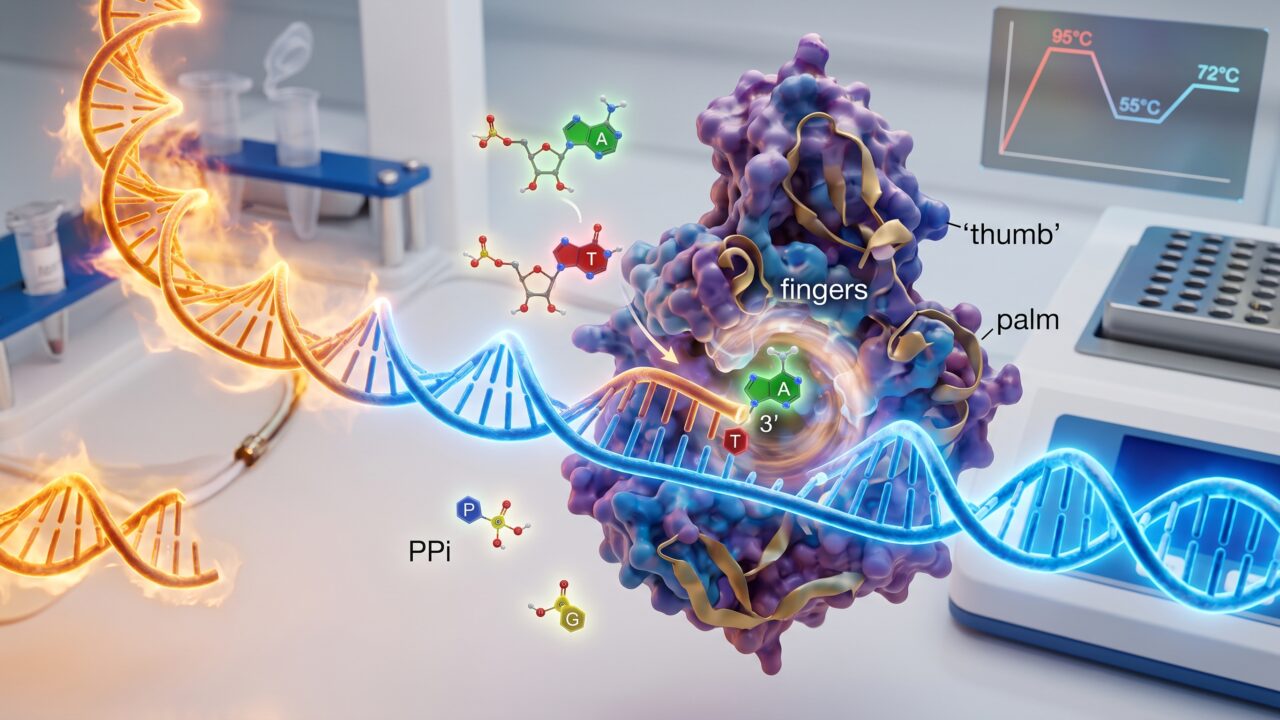
Furthermore, viral replication is inherently error-prone. While human cells have complex “spell-check” mechanisms to fix DNA mutations, viruses, especially RNA viruses, lack these safeguards. Every “mistake” made during replication acts as a potential new mutation that could allow the virus to bypass a vaccine, resist an antiviral drug, or jump to an entirely new host species.
Crossing the Species Barrier from Plants and Animals
Historically, the jump from one species to another, known as zoonosis, was considered a rare event. Today, we understand it as an evolutionary inevitability fueled by viral flexibility. In the case of animal-to-human jumps, such as HIV from primates or Avian Influenza from birds, a tiny mutation in the virus’s surface proteins—the keys it uses to enter cells—allows it to unlock human biology.
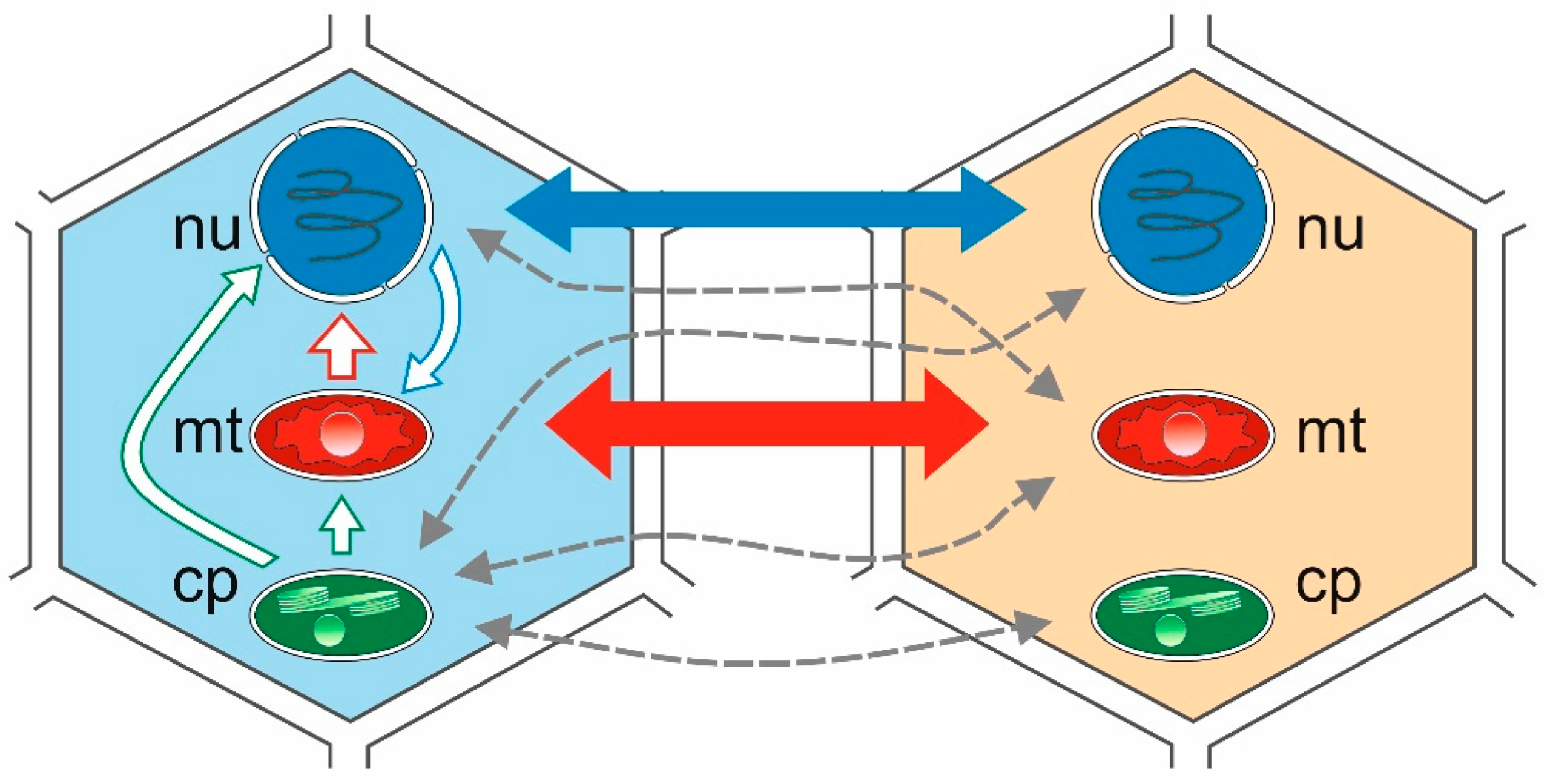
Even more intriguing is the potential for plant viruses to influence human health. While a direct jump from a plant to a human is hindered by massive cellular differences, viruses often use intermediate vectors like insects. Because these vectors interact with both plant tissues and mammalian blood, they facilitate a constant exchange of genetic “blueprints” between biological kingdoms. This genetic mixing bowl ensures that viruses remain the most adaptable entities on the planet.
Viruses as the Ultimate Planetary Regulator
There is a compelling ecological argument that viruses act as a built-in mechanism to prevent planetary overpopulation. In ecology, the “Kill the Winner” hypothesis suggests that when any single species becomes too numerous and dominant, it becomes a massive, dense target for viral transmission. High population density allows a virus to spread faster than the host can develop immunity, leading to a natural “thinning” of the population.
When a species grows too large, it often suffers from a genetic bottleneck, meaning the individuals become genetically similar. This lack of diversity is a death sentence in the face of viral evolution; a single, well-adapted virus can theoretically wipe out a vast percentage of a population because there is no natural resistance left in the gene pool. In this sense, viruses are the most effective “predators” on Earth, maintaining the balance of ecosystems by curbing the expansion of any one dominant species.
The Structure of the Apocalypse
It is a chilling thought that the end of modern society could be caused by nothing more than a protein shell—the capsid—protecting a tiny strand of hereditary information like RNA or DNA. A virus is not technically “alive” by standard definitions; it is a biological machine. This simplicity is its greatest strength. Because they lack a metabolism, they cannot be “killed” in the traditional sense; they can only be neutralized or dismantled.
The minimalist design of a virus makes it incredibly durable and hard to combat. If a virus were to evolve with the high mortality rate of Ebola but the easy transmission and long asymptomatic period of a common cold, it could theoretically collapse global infrastructure before a biological defense is even identified. We are essentially living in a world where our greatest threat is a microscopic package of code that evolves faster than we can think.