



For millions of food enthusiasts, sushi represents the pinnacle of culinary freshness and refined taste. However, a startling new discovery published in Nature Microbiology has sent a shockwave through the medical and culinary worlds. A viral strain previously thought to inhabit only the marine fundamental base—the Covert Mortality Nodavirus (CMNV)—has successfully crossed the species barrier, posing a severe threat to human vision and neurological health.
The Shift from Marine to Human Pathogen
Traditionally, CMNV was recognized as a devastating pathogen within aquaculture, primarily affecting shrimp and teleost fish. It was known for causing mass die-offs in marine populations, characterized by neurological decay and “covert” mortality.
However, recent clinical data suggests a critical innovation skew in the virus’s evolution. Researchers have now confirmed human infections, marking a human-caused health crisis linked directly to the consumption of raw or under-processed seafood. The virus is exceptionally resilient, maintaining its structural integrity in cold and saline environments. Crucially, CMNV is only neutralized through rigorous thermal processing, making raw delicacies like sushi and lightly salted fish a primary vector for transmission.
Ocular Manifestations and the Risk of Blindness
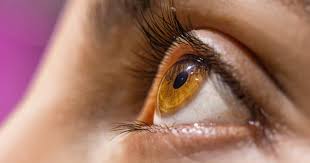
The most alarming aspect of the human CMNV infection is its affinity for the optic nerve and the central nervous system. Once the virus enters the human bloodstream through the digestive tract, it can migrate to the ocular region.
Clinical reports indicate that the virus triggers severe inflammation of the retina and the optic disc. If left unchecked, this leads to rapid cellular degradation, potentially resulting in permanent loss of vision. Patients have also reported symptoms of elevated intracranial pressure, which further complicates the ocular pathology by putting physical stress on the visual apparatus.
Current Medical Limitations and Treatment
As this is an emerging threat, a specific antiviral fundamental base for treating CMNV in humans does not yet exist. The medical community is currently forced to rely on supportive therapies to manage the symptoms rather than eradicating the virus itself.
- Anti-inflammatory Regimes: High-dose corticosteroids are being used to reduce the swelling in the optic nerve and prevent immediate vision loss.
- Intracranial Pressure Management: Physicians are utilizing therapies designed to lower the pressure within the skull, a necessary step to protect the brain and eyes from the secondary effects of the viral infection.
- The Lack of Vaccines: Currently, there is no vaccine available for CMNV, making prevention the only reliable defense.
Preventive Measures for Seafood Consumers
To navigate this new health hallway, consumers and food handlers must adopt a more cautious approach to seafood. Since the virus survives in raw and undercooked products, the following precautions are essential:
- Thermal Treatment: Ensuring that fish and shrimp are cooked to an internal temperature that destroys viral proteins.
- Protective Handling: Using gloves and protective gear when handling raw seafood, especially in industrial or kitchen settings, to prevent the virus from entering through small abrasions in the skin.
- Sourcing Transparency: Prioritizing seafood from monitored aquaculture systems that implement rigorous viral screening.
A New Frontier in Food Safety
The emergence of CMNV in the human population is a stark reminder that the fundamental base of our food safety is constantly evolving. What was once a concern only for the fishing industry has now become a significant vector for human disability.
As we look at the choices for our diet in 2026, the “Warrior Spirit” of culinary exploration must be tempered with scientific reality. Sushi lovers are advised to be vigilant, as the pleasure of raw seafood now carries a risk that could literally cost them their sight. Until a specific cure is developed, the only way to avoid this biological catastrophe is through heat, hygiene, and a profound respect for the shifting boundaries of microbiology.