

The history of cloning represents one of the most ambitious and controversial investigations in the annals of modern science. From the initial success of somatic cell nuclear transfer (SCNT) in amphibians to the global sensation of Dolly the sheep, the quest to replicate life has served as a scientific vector for both immense hope and profound ethical dread. However, as of 2026, the dream of human cloning has largely stalled, transitioning from a frontline laboratory goal to a cautionary tale of genetic instability and societal resistance.
The Evolutionary Vector from Frogs to Mammals
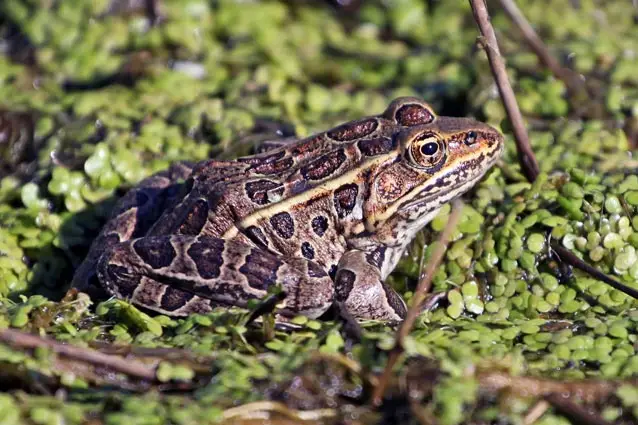
The trajectory of cloning began in 1952 with Robert Briggs and Thomas King, who successfully cloned northern leopard frogs. This was the fundamental base upon which all subsequent cellular reprogramming was built. The true breakthrough occurred in 1996 at the Roslin Institute, where Ian Wilmut and Keith Campbell produced Dolly the sheep—the first mammal cloned from an adult somatic cell. This event proved that specialized cells could be “reset” to an embryonic state, theoretically opening the door to the replication of any complex organism, including humans.
The Genetic Causes of Failure and the Toll of Instability
Despite high-profile successes in animal husbandry, cloning has been largely unsuccessful from a clinical and genetic standpoint. The primary obstacle is a phenomenon known as epigenetic dysregulation. In natural fertilization, the DNA of the sperm and egg undergoes a slow, natural “reprogramming.” In cloning, this process is forced and instantaneous, often resulting in incomplete or erroneous gene expression.
Most cloned embryos suffer from Large Offspring Syndrome (LOS), characterized by abnormally large organs, respiratory failures, and severely compromised immune systems. Furthermore, the “telomere problem” remains a critical failure point. Clones often inherit the shortened telomeres of their adult donors, meaning they are biologically “older” than their chronological age from the moment of birth. This genetic skew leads to premature aging and early-onset chronic diseases, making the creation of a healthy, long-lived clone statistically improbable with current technology.
The Societal Response and the Moral Guardrails
Society’s reaction to the prospect of human cloning was characterized by a mixture of fascination and existential horror. History illuminates the fear that cloning would lead to the dehumanization of individuals, the creation of “organ farms,” or the pursuit of eugenic perfection. This public outcry led to a fragmented but strict international legal landscape.
By the early 2000s, dozens of nations and international bodies, including UNESCO, declared human reproductive cloning a violation of human dignity. This consensus created a powerful “ethical stasis,” where funding for such research evaporated, and the scientific community pivoted toward stem cell research and CRISPR gene editing, which offered the benefits of regenerative medicine without the moral quagmire of creating a “copy” of a person.
The Current Landscape: Underground Research or Scientific Pivot?
Today, official human reproductive cloning is not conducted due to the prohibitive combination of technical failure rates and legal sanctions. However, the question of “secret” experiments remains a staple of modern investigation. While there is no verified evidence of a cloned human, the rapid advancement of Synthetic Intelligence and automated laboratories has led some analysts to speculate that “black site” research could exist in jurisdictions with lax oversight.
More realistically, the research has evolved rather than disappeared. Scientists are currently focusing on “therapeutic cloning”—creating cloned embryos solely to harvest stem cells for treating diseases like Parkinson’s or diabetes. Furthermore, the rise of “synthetic embryos” provides a new vector for studying early development that bypasses the traditional definition of cloning.
Reevaluating the Biological Integrity and Future Vectors of Replication
The history of cloning reminds us that science enables us to investigate the future, but it does not mandate that we inhabit every future we can imagine. The genetic failures of past experiments serve as a biological warning against the hubris of trying to bypass natural selection. As we move forward into an era of even more precise genomic tools, the “shadows” of the cloning debates continue to inform our ethical boundaries, ensuring that innovation remains tethered to the fundamental base of human dignity.