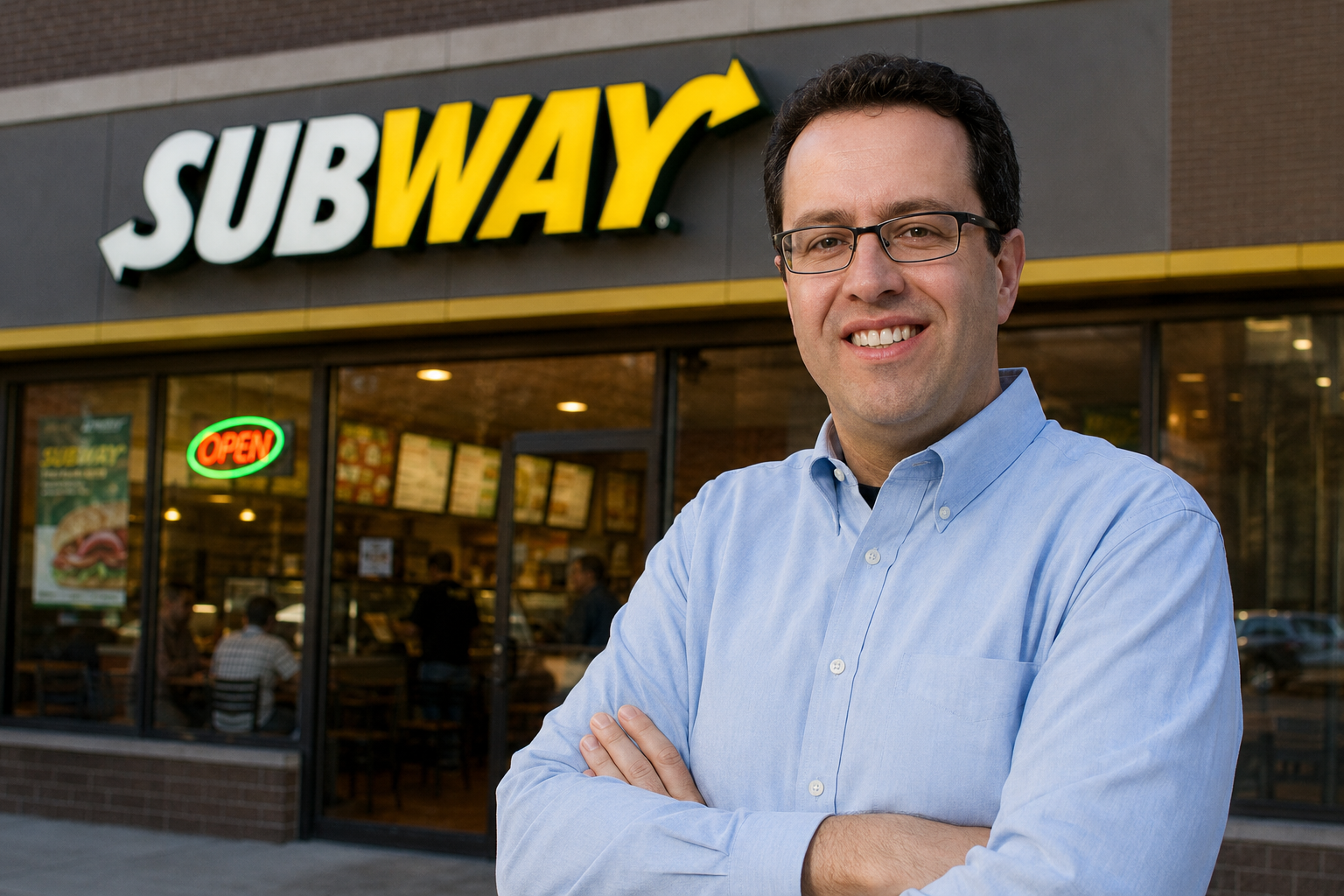




When a global fast-food franchise anchors its entire marketing strategy, brand identity, and health-centric messaging to a single real-life spokesperson, corporate success becomes dangerously entangled with that individual’s private life. Few corporate crises in modern economic history illustrate this structural risk as starkly as the infamous subway scandal.
For over fifteen years, the inspirational narrative of jared fogle—widely recognized across households as jared from subway, jared subway, or simply the subway ad guy—served as one of the most commercially lucrative advertising campaigns in the fast-food industry. However, when severe federal criminal investigations surfaced against him, the resulting subway controversy forced economists, behavioral scientists, and corporate strategists to analyze how catastrophic spokesperson fallout impacts consumer trust, sales trajectories, and long-term brand equity.
Exploring the Rise of Jared Fogle and the Subway Marketing Era
To analyze the scale of the economic shockwave, it is essential to review who is jared fogle and how his public narrative was transformed into a multi-million-dollar marketing engine.
In the late 1990s, jared scott fogle, then an Indiana University student weighing over 425 lbs, began a self-designed weight loss regime. His strategy involved walking several miles daily while eating a strict diet consisting primarily of low-fat turkey and veggie sub sandwiches from the local restaurant chain. After losing over 240 lbs in less than a year, a college newspaper published his story, which quickly caught the attention of regional regional advertising executives.
Recognizing a goldmine for consumer trust, the franchise launched the iconic jared fogle subway ad campaign in early 2000. For over a decade and a half, subway jared traveled the globe, appearing in over 300 commercials, morning talk shows, school health initiatives, and public charity events.
The Financial Value of the Partnership
During this era, consumers frequently speculated about how much did jared make from subway or how much money did jared fogle make from subway. Industry estimates indicate that Fogle earned an estimated 15 million 20 million through salary, performance bonuses, appearance fees, and equity through his non-profit foundation.
In return, the company reaped exponential benefits. During the peak of the campaign, analysts credited the story of jared from subway with driving a massive 20 billion+ increase in total revenue, effectively reshaping public perception and positioning the chain as a fresh, wholesome, and health-conscious alternative to traditional burger franchises.
What Did Jared From Subway Do to Trigger the Corporate Crisis
People researching the historical timeline often ask what did jared fogle do, what did jared from subway do, or what did subway jared do to crash his career and trigger an unprecedented corporate emergency.
The timeline of the jared fogle arrest and public fallout unraveled rapidly in 2015:
- Initial Investigations: Federal authorities began investigating Russell Taylor, the executive director of Fogle’s charitable foundation, uncovering illicit media involving minors.
- The Federal Raid: In July 2015, federal agents raided Fogle’s home in Zionsville, Indiana, seizing computer hard drives and electronic storage devices.
- Formal Charges and Guilt: In August 2015, jared fogle news broke globally when he was formally charged with child pornography offences and traveling across state lines to engage in illicit sexual conduct with minors. Fogle agreed to a plea deal and was sentenced to over 15 years in federal prison.
The horrifying nature of the jared fogle crimes transformed a once-beloved public figure into a international pariah, sparking a massive subway spokesperson scandal that threatened to destroy decades of brand equity.
Analyzing Consumer Behavior and Corporate Fallout
The jared subway scandal provided economists with a real-world case study on how celebrity disgrace spills over into consumer purchasing habits. When a spokesperson suffers a public downfall, several behavioral mechanisms occur simultaneously:
1. Cognitive Association and Brand Contamination
Consumers form neural connections between brands and their public ambassadors. When a spokesperson commits horrific acts, a cognitive reaction called negative affect transfer occurs. Every time a consumer saw the brand’s logo, their mind subconsciously triggered images of the jared from subway mugshot and legal proceedings, causing immediate brand aversion.
2. Immediate Sales Impacts and Customer Boycotts
Research examining did subway lose business because of jared confirmed measurable financial damage. Following the jared fogle subway revelations, store traffic plummeted, particularly among parents and health-conscious demographics who felt betrayed by the brand’s association. The company suffered immediate double-digit drops in brand perception scores and sustained noticeable domestic sales dips during the months following the arrest.
3. Did Subway Know About Jared
A major point of public anger revolved around the question: did subway know about jared prior to his arrest? Reports surfaced indicating that former franchise owners and individual whistleblowers had alerted corporate executives about suspicious comments Fogle made years earlier. The company’s delayed internal investigation led to intense public criticism, compounding the subway controversy and damaging corporate credibility.
How Brands Recover and Modern Risk Mitigation Strategies
Analyzing how did subway recover from jared reveals a complex, multi-year rebranding effort. Following the crisis, the franchise immediately severed all contracts, removed Fogle’s name from all marketing literature, and scrubbed his image from digital platforms.
To distance itself from the subway scandal jared era, the company completely altered its marketing approach:
- Shifting Away from Single Ambassadors: Modern campaigns avoided relying on a single “everyman” spokesperson, diversifying across sports icons, cultural figures, and product-focused messaging.
- Strengthening Morals Clauses: Following the jared fogle crimes, corporate legal teams across the globe revolutionized endorsement contracts, introducing strict, instant-termination “morals clauses” allowing companies to void agreements instantly without severance pay.
- Product-Centric Rebranding: The brand shifted focus toward menu innovation, store redesigns, and digital ordering platforms rather than personal lifestyle stories.
(Note: Search data and digital archival analysis reveal numerous historical spelling variations and common online typos. All search queries map directly to the same historical endorsement crisis).
Frequently Asked Questions
Who was Jared Fogle and why was he famous?
Jared fogle became famous after losing over 200 lbs while allegedly eating a diet consisting of sub sandwiches. He became the primary face of the fast-food chain’s advertising campaigns for over 15 years, promoting healthy eating habits.
What did Jared from Subway get in trouble for?
Fogle was arrested and convicted in 2015 for distribution and possession of child pornography as well as traveling to engage in illicit sexual conduct with minors. He was sentenced to more than 15 years in federal prison.
How much money did Jared fogle make from Subway?
Industry experts estimate that jared scott fogle made between 15 million and 20 million over his 15-year career as the company’s chief brand ambassador through salaries, bonuses, and appearance fees.
Did the scandal cause long-term financial damage to the brand?
Yes. The jared from subway scandal led to immediate consumer boycotts, severe brand perception declines, and a noticeable drop in sales. It required a complete overhaul of the brand’s marketing strategy and years of rebranding to regain consumer trust.