



For over two years, the United States watched the deadliest conflict in human history unfold from across the Atlantic. While European cities were reduced to rubble, the American public remained fiercely committed to staying out of the fight. So, when did the us join ww2, and why did the united states enter world war ii after years of stubborn isolationism?
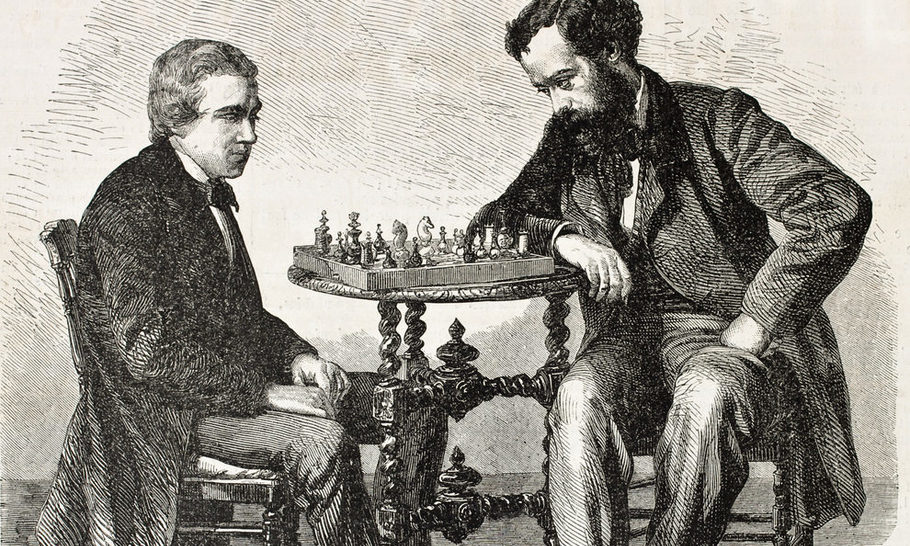
To understand how did the us get involved in ww2, we have to look past the textbooks. It was a high-stakes chess match of economic warfare, secret deals, and a catastrophic intelligence failure that culminated in a warm Sunday morning in Hawaii.
The Spark in Europe and America’s “Paper” Neutrality
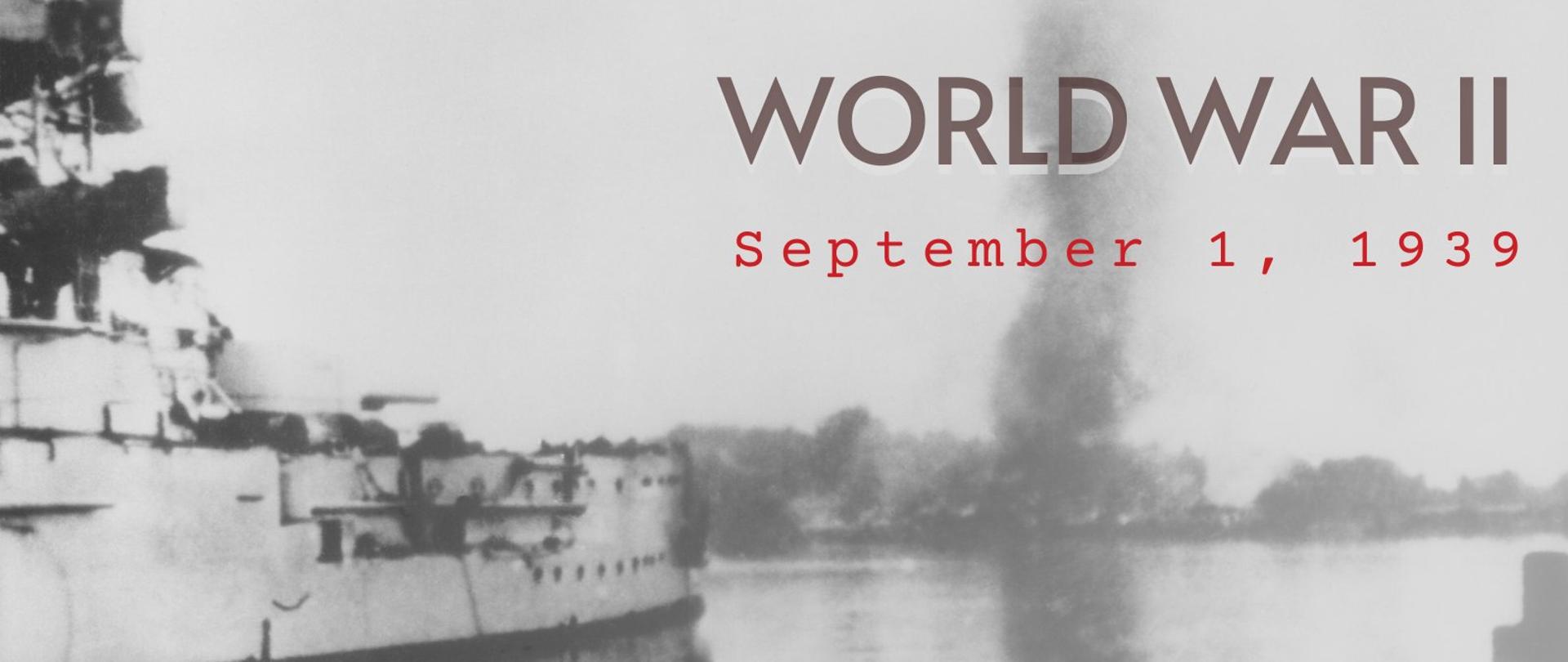
To understand the global pressure on Washington, one must first look at what started ww2. When Nazi Germany invaded Poland in September 1939, it triggered a domino effect of declarations across Europe. Back in the United States, memories of the trench warfare of WWI were still fresh, and the nation was desperately trying to recover from the Great Depression. Isolationism wasn’t just a political stance; it was a national mood.
Yet, behind the scenes, President Franklin D. Roosevelt knew that a Nazi-dominated Europe would eventually threaten the Western Hemisphere. So, how did the us enter ww2 without sending a single soldier? Through a massive legislative loophole called the Lend-Lease Act of March 1941. By sending billions of dollars worth of weapons, ships, and food to Great Britain and the Soviet Union, America became what Roosevelt called the “Arsenal of Democracy.” It was neutrality in name only.
The Silent Catalyst: The Oil Embargo That Choked Japan
While the battle for Europe raged, a quiet economic war was escalating in Asia. This geopolitical friction is at the very root of what caused the us to join ww2.
Japan, driven by extreme militarism, was aggressively conquering parts of China and French Indochina. To halt this expansionism, the U.S. played its ultimate diplomatic card in July 1941: a total embargo on oil and gasoline exports to Japan.
This was a devastating blow. At the time, Japan imported nearly 80% of its oil directly from the United States. Deprived of fuel, the Japanese military estimated they had less than two years of oil reserves left before their navy and air force would become completely paralyzed. Faced with economic strangulation, Tokyo made a desperate, high-risk calculation. They decided to seize the oil-rich Dutch East Indies (modern-day Indonesia).
However, to secure their trade routes to those southern oil fields, they first had to neutralize the only force capable of stopping them: the U.S. Pacific Fleet.
The Day of Infamy: When Did America Join WW2?
The question of when did the us enter ww2 was answered on December 7, 1941.
In a perfectly coordinated surprise strike, Japanese aircraft carriers launched a devastating raid on the naval base at Pearl Harbor, Hawaii. In less than two hours, 2,403 Americans were killed, and the Pacific Fleet’s battleship row lay in ruins.
The next day, Roosevelt delivered his iconic speech, and Congress officially declared war on Japan. Yet, some still wonder: why did the us join ww2 in Europe if they were only attacked by Japan?
The final puzzle piece fell on December 11, 1941, when Adolf Hitler, acting on his alliance with Japan under the Tripartite Pact, made one of his greatest strategic blunders: he declared war on the United States. America was now fully committed to a global, two-front war.
Did You Know? Fascinating Facts About America’s Entry into WW2
- The “Silent” Warning: Hours before the bombs fell on Pearl Harbor, a young U.S. private operating a brand-new radar station spotted a massive blip of incoming planes. When he reported it, his superior officer assumed it was a scheduled flight of American B-17 bombers and famously replied: “Don’t worry about it.”
- The Unopened Diplomatic Message: Japan actually intended to deliver a formal declaration of war to the U.S. government exactly 30 minutes before the attack began. However, because of slow decoding at the Japanese Embassy in Washington, the message was delivered several hours after the bombs had already fallen, making Pearl Harbor a technical war crime under international law.
- The Fate of the USS Arizona: To this day, the sunken battleship USS Arizona still lies at the bottom of Pearl Harbor, acting as a war memorial. Amazingly, the ship continues to leak between 2 to 9 quarts of oil into the harbor every single day—often referred to as the “tears of the Arizona.”
- A “Neutral” Battle in the Atlantic: Months before Pearl Harbor, American destroyers were already engaged in a secret, undeclared shooting war with German U-boats in the Atlantic while protecting merchant convoys. In October 1941, the USS Reuben James was torpedoed and sunk by a German U-boat, killing 115 American sailors—yet the U.S. still did not declare war.
Frequently Asked Questions (FAQ)
Q: Why did the US join WW2?
A: The immediate trigger was the surprise Japanese attack on Pearl Harbor on December 7, 1941. However, the underlying factors included severe U.S. economic embargos on Japanese oil, fascist expansionism in Europe, and America’s deep financial alliance with Great Britain.
Q: How did the US get involved in WW2 before Pearl Harbor?
A: America acted as the “silent partner” of the Allies. Through the Lend-Lease program, the U.S. shipped massive quantities of military hardware, raw materials, and food to nations fighting the Axis powers, effectively ending true neutrality long before entering active combat.