




The geopolitical landscape of Northern Europe is shifting toward a dangerous precipice. Long considered a stable maritime corridor, the Baltic Sea is rapidly transforming into a primary battlefield. As the fundamental base of European security fractures and the “digital arteries” of global trade face unprecedented threats, the region is preparing for a confrontation that could redefine the continental map. This is not merely a regional dispute; it is a convergence of a failing shadow fleet, isolated exclaves, and a tectonic shift in American foreign policy.
The Maritime Chokepoint and the Shadow Fleet Crisis
The Baltic Sea serves as one of the most critical transport vectors connecting Asian markets to the European heartland. However, this vital hallway is becoming increasingly volatile. Russia, facing tightening sanctions and immense pressure from European nations, has relied heavily on its “shadow fleet” to bypass oil price caps and maintain its military budget.
As European navies begin to clamp down on these uninsured and aging vessels, the risk of a “biological and ecological catastrophe” grows. More importantly, the naval friction created by these interceptions is pushing Moscow toward a more aggressive posture. The Baltic is no longer a sea of cooperation but a theater of interdiction where a single spark could ignite a broader conflagration.
The Siege of Kaliningrad and the Suwalki Gap
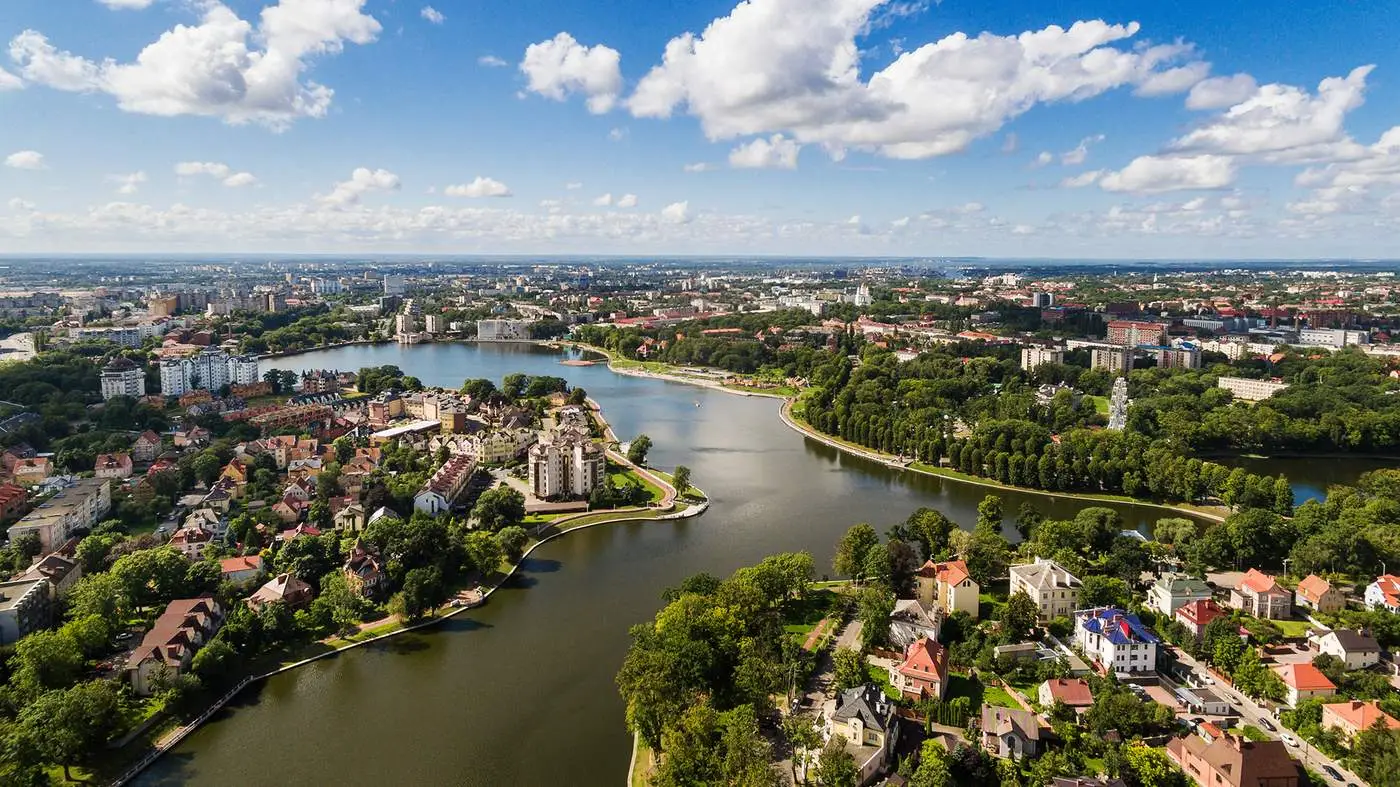
At the center of this looming battle lies Königsberg (Kaliningrad). Russia’s heavily militarized exclave is increasingly finding itself under a de facto state of siege as Baltic nations restrict transit. This territory is the cornerstone of Russia’s A2/AD (Anti-Access/Area Denial) strategy, and any perceived threat to its connectivity will be met with force.
The primary strategic vector for Russia and Belarus will be the Suwalki Gap—the 60-mile strip of land along the Polish-Lithuanian border.
- The Isolation of the Baltics: In a coordinated strike, Russian and Belarusian forces could close this gap, effectively cutting off Latvia, Lithuania, and Estonia from their European allies.
- The Polish Dilemma: While Poland has built a formidable “Warrior Spirit” and a modernized military, it risks becoming bogged down in a defensive war on its own soil, unable to project power northward to save the Baltic states.
The American Retreat and the Iranian Litmus Test
A critical “innovation skew” in this conflict is the changing role of the United States. Washington is increasingly distancing itself from the traditional NATO fundamental base, shifting its focus toward the Indo-Pacific and the Middle East.
Reliable intelligence suggests that the U.S. is moving toward a transactional alliance model. Specifically, Washington is expected to withhold support from European nations that failed to back American interests in the burgeoning conflict against Iran. This leaves the Baltic states in a precarious position; they are caught in the hallway between an aggressive Russia and an indifferent America. Without the U.S. nuclear and logistical shield, the European deterrent becomes a “paper tiger.”
Germany’s Late Awakening and the Fractured Europe
Germany, the industrial engine of the continent, has finally begun to prepare for a high-intensity conflict, but many experts argue it is “too little, too late.” The years of underfunding have left a scientific and military gap that cannot be bridged in a single season.
As the Baltic crisis escalates, the European Union faces a terminal schism:
- The Eastern Flank: Nations like Poland and the Baltics will demand total mobilization.
- The Western Core: Nations further from the front lines may seek a policy of appeasement to protect their remaining economic ties.
- The Chinese Factor: Beijing is currently in a “wait and see” posture, ready to exploit a fractured Europe to secure its own Belt and Road interests in the aftermath of a conflict.
Preparing for the Age of Catastrophes
History illuminates that when maritime trade routes become militarized and traditional protectors retreat, an “inevitable correction” follows. The Baltic Sea is the vector where Russian desperation, American isolationism, and European fragmentation will collide.
The fall of the Suwalki Gap and the siege of Königsberg are no longer distant theories but imminent realities. For Latvia, Lithuania, and Estonia, the window for preparation is closing. Europe is about to be split, not by an iron curtain, but by a modern battlefield where the fundamental base of the post-war order finally collapses. We must look at the choices made today, for the era of Baltic peace is officially over.