


In the hallowed halls of Western education, the rhetoric of equality serves as a fundamental base for all institutional progress. However, as we navigate the mid-2020s, a high-level analysis reveals that a persistent “innovation skew” remains between the classroom and the boardroom. While women dominate the teaching workforce, their presence in senior leadership—presidencies, rectorates, and deanships—remains disproportionately low.
The Statistical Reality from Classroom to Leadership
The journey of women in education is often described as a “leaky pipeline.” Data from both the United States and Europe highlights a significant attrition of female leadership as one ascends the academic ladder.
Trends in European Universities and Schools
In Europe, the landscape has seen gradual improvement, but the “ceiling” remains firm.
- The Rectorate Gap: As of 2024, only about 35.2% of all managerial positions in the EU were held by women, up from 31.8% in 2014. However, when looking specifically at University Rectors, women account for less than 25% of leadership across the European University Association (EUA) member institutions.
- Primary vs. Secondary: In schools, women comprise over 90% of pre-primary and 68% of primary teachers. Yet, the share of female principals trails the share of female teachers by an average of 20 percentage points across the continent.
The U.S. Educational Hierarchy
In the United States, the trend mirrors Europe but with its own cultural nuances.
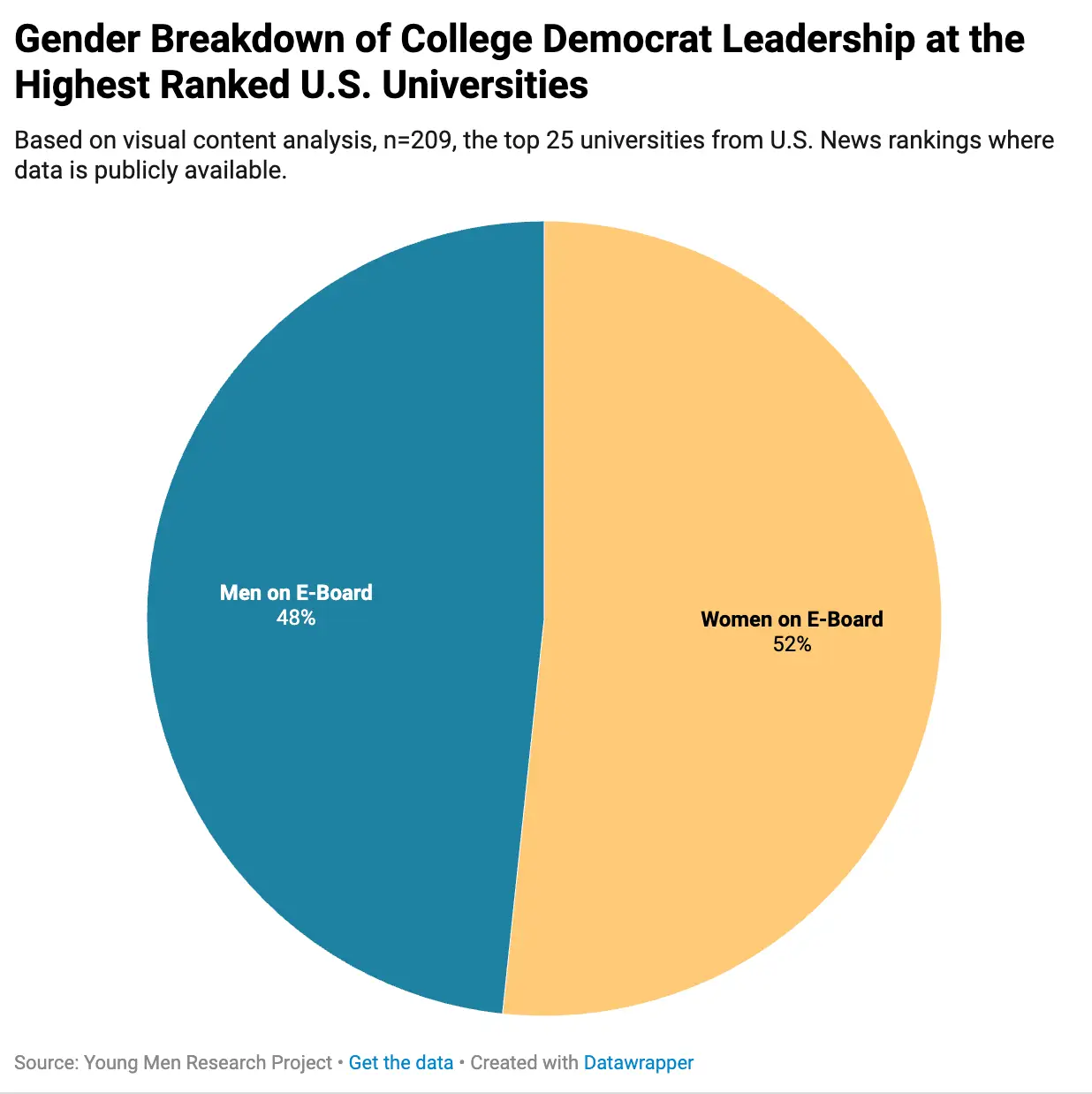
- University Presidents: Fewer than 1 in 3 college presidents are women as of 2025.
- The STEM Skew: In specialized fields, the disparity is even more visceral. For instance, only 10% of physics department chairs are female, showcasing that leadership in technical fields is still coded as a “male” domain.
Root Causes and why the Second-Sort Position Persists
To understand why women are often relegated to an unspoken “second-tier” status in leadership, we must investigate the historical and sociological vectors that have shaped our institutional fundamental base.
History illuminates that modern academic structures were built by and for men. The traditional “career vector” assumes a linear progression that often ignores biological realities, such as maternity. This systemic bias is often intertwined with legal and social debates, such as those discussed in the analysis of Title IX investigations and the federal push for women’s biological privacy, which highlights how policy shifts continue to influence the educational environment for women.
The Myth of the IQ Gap and Institutional Tradition
A common, though significant, piece of misinformation often cited is that men possess a higher average IQ or greater intellectual variability. However, exhaustive studies confirm there are no statistically significant differences in average IQ between men and women. In fact, female-led institutions often demonstrate higher staff morale and better student outcomes, yet the “digital arteries” of patriarchal tradition continue to pump implicit bias into selection committees.
Furthermore, historical religious structures often institutionalized a “divine hierarchy” where leadership was an exclusively male prerogative. Even in secular societies, these deep-seated principles often favor candidates who “look the part,” which historically favors men over equally qualified female candidates.
Changing Approaches and how Leaders are Chosen Today
The method of selecting leaders is moving away from the “old boys’ club” toward a more scientific and transparent fundamental base.
- Gender Equality Plans (GEPs): Many EU universities now require a GEP to access research funding. This forces institutions to address bias in recruitment and promotion.
- Incentivizing Diversity: Selection committees are increasingly trained to recognize “unconscious bias.” However, without mandatory quotas in many regions, progress remains stagnant, moving at a rate that would take decades to reach true parity.
Human-Caused Disparity
Gender inequality in educational leadership is not a biological necessity but a human-caused phenomenon. It is rooted in centuries of patriarchal and religious tradition that viewed the “feminine” as incompatible with the “executive.”
Science and data prove that institutions headed by women are equally, if not more, effective. To reclaim the “innovation edge” of the West, we must ensure that the “ancient lineage of liberty” and equality applies to the rector’s office just as much as it does to the student body. The choice is clear: we can continue to protect the prestige of the past, or we can build a fundamental base for a future where merit—not gender—defines the vector of leadership.