


The Winter War of 1939–1940 remains one of the most asymmetric conflicts in modern history. When the Soviet Union launched its invasion of Finland on November 30, 1939, the world expected a swift Red Army victory. Instead, the conflict became a symbol of how a smaller, technologically inferior force can leverage geography, weather, and tactical innovation to humiliate a global superpower.
The Soviet Miscalculation and the Arctic Frontier
Joseph Stalin and the Soviet high command anticipated a ten-day stroll to Helsinki. This confidence led to a catastrophic disregard for the fundamental realities of Northern European warfare. The Red Army entered Finland with massive armored columns designed for the flat plains of Central Europe, rather than the dense forests and frozen lakes of the Finnish border. This geographic ignorance turned their greatest strength—numerical superiority in armor—into a cumbersome liability.
A Lethal Lack of Winter Preparedness
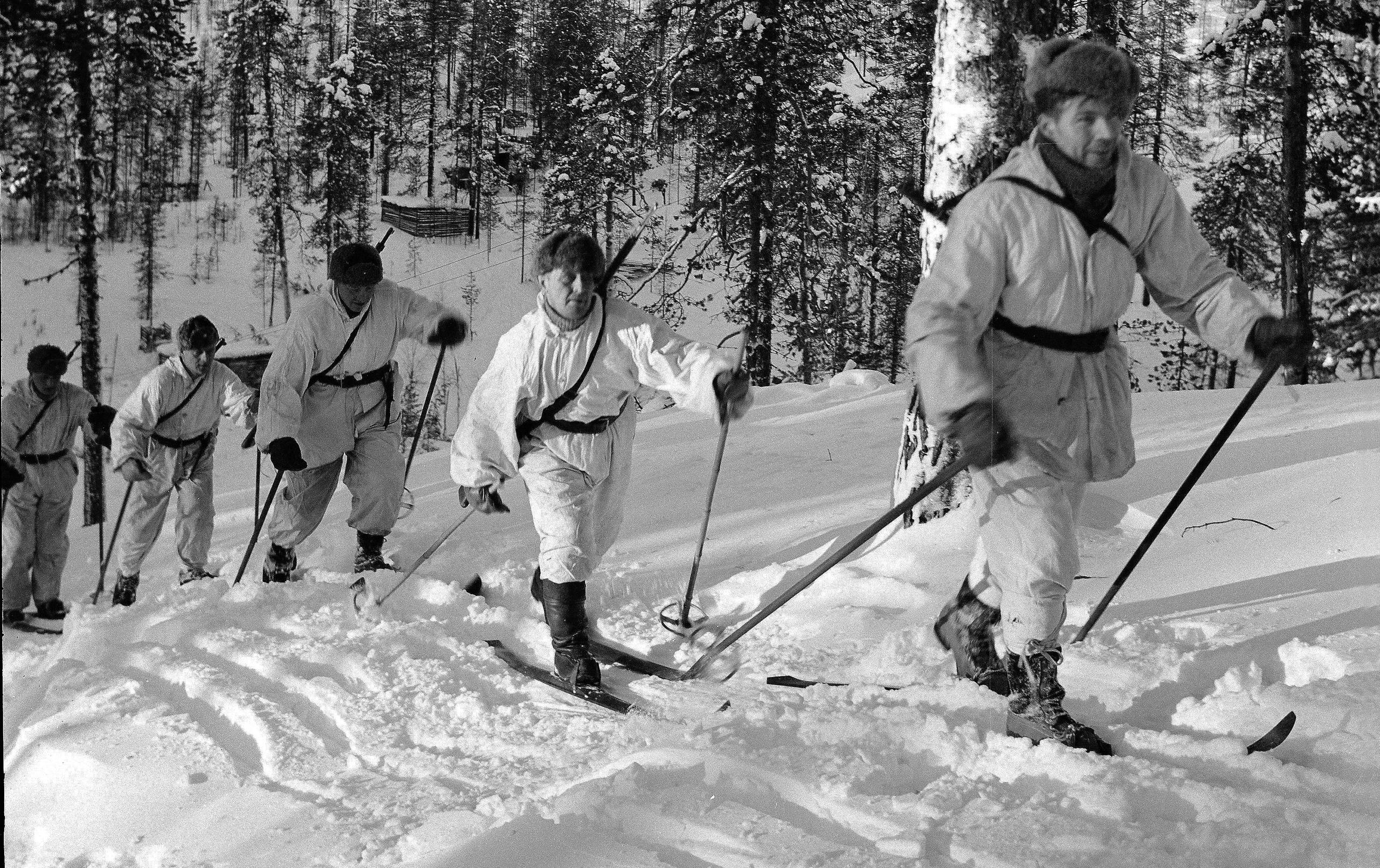
Perhaps the greatest strategic failure was the Soviet lack of readiness for sub-zero temperatures. In a chilling irony, many Soviet divisions were sent into the Arctic Circle wearing thin summer or autumn uniforms. Without proper white camouflage, Soviet soldiers in their dark olive uniforms stood out as easy targets against the snow, while their Finnish counterparts remained nearly invisible.
The mechanical failure was equally devastating. Soviet tanks and trucks, not winterized for the -40°C temperatures, frequently seized up. Soldiers were forced to keep engines running twenty-four hours a day to prevent freezing, which exhausted fuel supplies and gave away their positions to Finnish scouts. While Finnish soldiers utilized heated tents and skis to maintain mobility and health, Soviet troops suffered from mass frostbite and malnutrition, significantly reducing their combat effectiveness before the first shots were even fired.
Colossal Losses and the Meat Grinder of the Mannerheim Line
The disparity in casualties during the Winter War is staggering. Despite outnumbering the Finns nearly three-to-one in manpower and having a total monopoly on tanks and aircraft, the Soviet casualty rate was disproportionately high due to rigid “human wave” tactics. Desperate to achieve a breakthrough, Soviet commanders often ordered suicidal frontal assaults against fortified Finnish positions, essentially trading the lives of their conscripts for meager territorial gains.
Motti Tactics and Guerilla Innovation
The Finnish Army, under the leadership of Marshal Mannerheim, utilized the terrain to neutralize Soviet numerical advantages through “Motti” tactics. Highly mobile Finnish ski troops would slice through stretched-out Soviet columns, trapping them in small, isolated pockets. Once a column was fragmented, the Finns would systematically destroy these isolated groups one by one. This psychological warfare was further amplified by snipers like Simo Häyhä, the “White Death,” who picked off hundreds of officers and demoralized the invading ranks from the cover of the deep woods. By the end of the conflict, the USSR had suffered over 350,000 casualties, while the Finnish side lost approximately 70,000 lives.
Modern Parallels in the 21st Century
The echoes of the Winter War are loud in contemporary conflicts, suggesting that while technology changes, the psychology of military overreach remains constant. The failed Soviet logistics of 1939 find a modern mirror in recent invasions where armored columns faced similar nightmares, getting bogged down in mud, running out of fuel, and failing to secure proper gear for a prolonged campaign. This proves that an invading force that ignores the environment as a primary actor is doomed to high attrition.
Furthermore, the Winter War taught the world that the “will to fight” is a tangible military asset. Today, decentralized, highly motivated forces utilizing modern anti-tank weaponry mirror the Finnish ski troops with Molotov cocktails. The core lesson remains: a superpower can occupy land, but holding it against a population that views the conflict as an existential struggle for survival is a recipe for a historic disaster. Military power is not merely a sum of tanks and shells; it is the product of logistics, environmental adaptation, and the moral clarity of those defending their home.