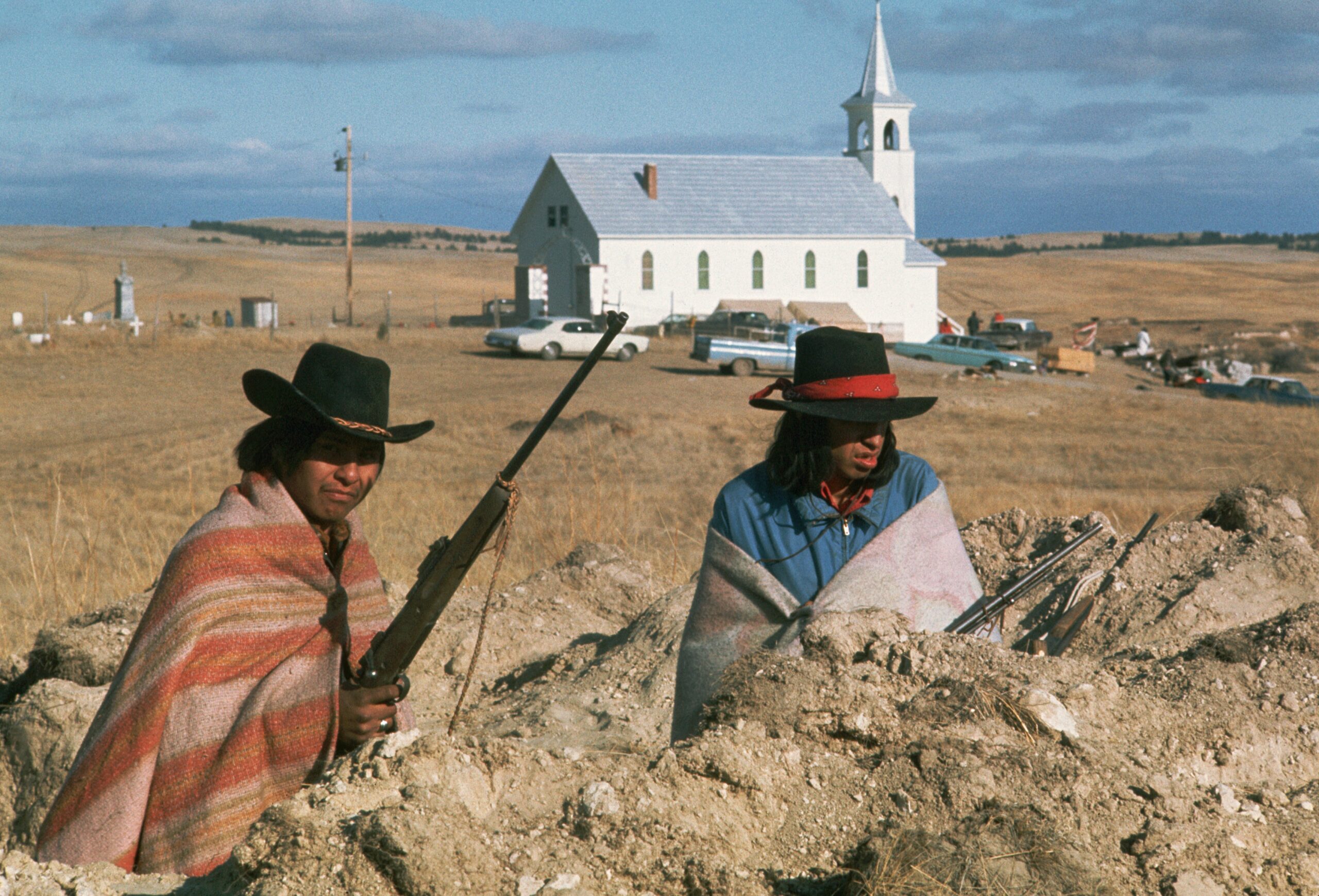




The history of the indigenous peoples of North America is a saga of immense “Warrior Spirit” clashing against the relentless historical vector of European expansion. It is a story not merely of conquest, but of a fundamental base of civilization being systematically dismantled through technological superiority, internal fragmentation, and the brutal reality of total war. While modern media, such as the series The American West (or The West), often captures the visceral drama of this era, the historical reality is a complex hallway of tactical brilliance and tragic betrayal.
The Technological Skew and the Limit of Traditional Warfare
One of the most persistent questions in military history is why the bow, spear, and tomahawk—weapons mastered over millennia—failed to halt the colonial advance. At short ranges, a skilled indigenous archer could often fire more accurately and faster than a colonial soldier with a muzzle-loading musket. However, the conflict was defined by a massive “innovation skew.”
The introduction of firearms, and later the repeating rifle and the mountain howitzer, fundamentally changed the spatial dynamics of battle. European steel and gunpowder offered a level of lethality and range that traditional materials could not match. Furthermore, the colonial forces utilized a strategy of “total war,” targeting the biological arteries of the tribes—their food sources (specifically the buffalo) and their winter camps—rather than engaging solely in honorable skirmishes. This ensured that even when indigenous warriors won tactical victories on the battlefield, the fundamental base of their survival was being eroded.
The Curse of Fragmentation and Internal Betrayal
Perhaps the most tragic aspect of the indigenous resistance was the inability to form a unified front. North America was not a monolith; it was a patchwork of hundreds of distinct nations with ancient rivalries. The historical vector of the “conqueror” relied heavily on exploiting these existing fractures.
Tribes often found themselves in a desperate hallway of choices. Some chose to align with the colonizers to settle old scores with rival neighbors, not realizing that the colonial expansion would eventually consume them as well. Historical records are replete with instances of “scouts” from one tribe leading federal troops to the hidden encampments of another. This lack of unity prevented the creation of a massive, coordinated resistance that might have altered the timeline of expansion. By the time leaders like Tecumseh or Sitting Bull attempted to forge pan-tribal alliances, the scientific and demographic advantage of the settlers had become insurmountable.
The Long Resistance and the Spirit of the Land
Despite the overwhelming odds, indigenous resistance lasted for centuries—a testament to a civilization that refused to surrender its fundamental base without a fight. From the Pueblo Revolt of 1680 to the final tragic stand at Wounded Knee in 1890, the resistance was a human-caused phenomenon of pure survival.
The series The American West vividly illustrates this era, showing a society where the boundary between life and death was thin, and the “Warrior Spirit” was the only currency of value. It highlights the raw, unfiltered nature of a continent in transition, where the ancient lineage of liberty was being overwritten by the digital and industrial arteries of a new world. The resistance was not just about land; it was a defense of a worldview that lived in stasis with nature, against a force that sought to dominate and extract from it.
Conclusion: Reevaluating the Fundamental Base of History
The destruction of the indigenous nations was not an inevitable scientific law, but a series of human-caused tragedies. The failure of traditional weapons against the march of technology was a physical reality, but the failure of unity was a political catastrophe.
As we look back at the choices made during this era, we see that the fall of the first Americans was accelerated by the very information noise and internal divisions that often plague societies facing external threats. Today, their legacy survives not just in history books or television dramas, but in the enduring resilience of the descendants who continue to protect their cultural fundamental base. Understanding this history requires looking past the “innovation skew” of the victors and recognizing the profound complexity of a people who fought a three-hundred-year war to preserve their way of life.