



Since the dawn of organized society, the ability to command a crowd has remained the ultimate instrument of human influence. The history of rhetoric is not merely a chronicle of speeches; it is the history of how leaders have successfully navigated the psychology of the masses. From the sun-drenched stone forums of ancient Rome to the hyper-connected digital stages of contemporary Washington and Brussels, the mechanics of power have relied on a timeless interplay between the speaker’s voice and the listener’s primal need for belonging.
The Roman Foundation of the Oratorical Craft
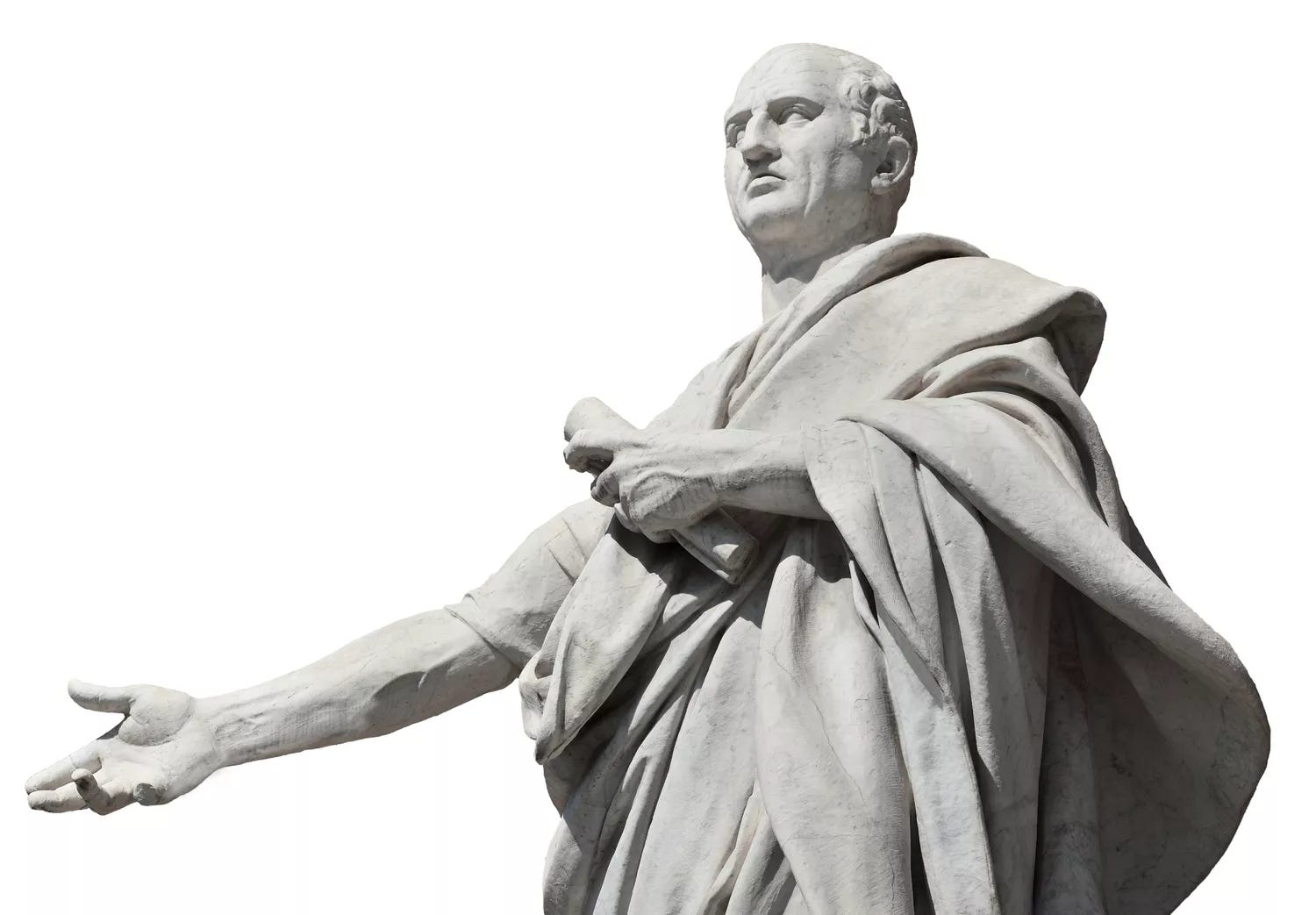
In the Roman Forum, the master orator Marcus Tullius Cicero transformed public speaking into a visceral performance. He believed that the orator’s duty was not just to instruct, but to inflame the soul. Cicero mastered the art of the rhythmic cadence, using the “tripartite” structure to build a momentum that felt almost inevitable to the listener. He famously stated, “To be ignorant of what occurred before you were born is to remain always a child,” and he used this historical gravity to frame his arguments as necessary truths. His influence was so absolute because he understood that persuasion is less about the logic of the argument and more about the perceived character, or ethos, of the speaker.
The Orchestration of Mass Emotion
The Psychology of the Crowd
This focus on the performer rather than the policy is why humanity continues to prioritize headlines over actions. A headline is a narrative snapshot; it provides a moral resolution to a complex reality before a citizen even has to think about the consequences. Leaders have learned that the human brain is hardwired to favor a coherent story over messy data.
The Methodology of Adolf Hitler
In the 20th century, no one understood this human weakness better than Adolf Hitler. He approached his speeches not as a politician, but as an artist of mass emotion. Hitler viewed the crowd as an entity that needed to be seduced, not reasoned with. His oratorical style was a deliberate, calculated progression: he would begin with a low, humble, and conversational murmur to mimic the struggles of the common man, before spiraling into a high-intensity, rhythmic crescendo of rage and hope. When he shouted, “I want to be your voice,” he was not offering a policy platform; he was offering an identity. His success proved that when the masses are sufficiently desperate, they will forgive the absence of logic if they are provided with an abundance of emotional validation.
Modern Successors and the Illusion of Authenticity
Today, we see the echoes of these ancient techniques in the corridors of modern power, where the successors to these rhetorical masters operate with sophisticated precision. Contemporary figures in both Europe and the United States often lean into the “rhetoric of resentment,” a method perfected by the Roman demagogues of old.
The Theatre of Authenticity
They utilize what could be called the “theatre of authenticity,” where leaders deliberately adopt informal, even vulgar language to signal that they are “not of the establishment,” despite their obvious proximity to it. Consider how modern politicians leverage the ancient concept of the “us versus them” binary. When a leader declares, “They are coming for your way of life, and I am the only one standing in their way,” they are not delivering a logical proposition; they are tapping into the same fear that fueled the Roman populist movements.
The Trap of Charisma
These leaders understand that people do not remember the nuances of a budget report, but they will never forget the feeling of being defended by a strong figurehead. Ultimately, the danger of modern political discourse is that we have become passive consumers of this music. We are so enchanted by the cadence of a charismatic speaker that we stop analyzing the dissonance of their policies. The orator remains a dangerous architect of reality precisely because they know that most people prefer a beautiful, stirring lie to an ugly, complex truth. As long as the public continues to value the headline over the action, the stage will remain set for those who can perform the play most convincingly, leaving the substance of governance to wither in the wings.