



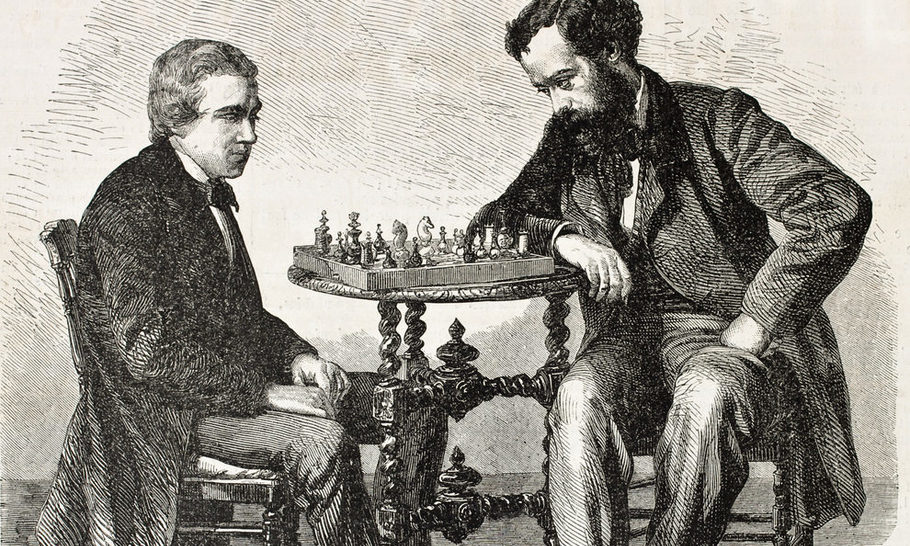

The history of the United States is a narrative of a spectacular role reversal. What began as a collection of fragmented outposts for European empires has transformed into a global hegemon upon which those very empires now depend for their survival. Today, this dynamic has reached a tipping point, manifested in the brash and often dismissive rhetoric of Donald Trump, who views the once-mighty Europe not as a peer, but as a dependent client state.
The Colonial Genesis and Europe’s Lost Grandeur
The historical moment of the United States’ creation was rooted in European competition. In the 17th and 18th centuries, powers like Britain, France, and Spain colonized North America to extract resources and expand their geopolitical reach. For centuries, Europe was the undisputed center of the world, a powerhouse of high art, foundational philosophy, and the birth of the Industrial Revolution. However, the 20th century saw a total collapse of this self-sufficiency. Two World Wars decimated the continent’s infrastructure, forced a reliance on the Marshall Plan, and effectively ended European global leadership.
The Three Pillars of Modern Dependency
Today, the “Old World” finds itself in a state of profound subordination to its former colony. This dependency is not merely economic but foundational:
- Military Paralysis: Through NATO, Europe outsourced its security to the Pentagon. Without a unified European army, the continent is strategically “locked” and unable to resolve even local conflicts without Washington’s approval.
- Financial and Resource Tethering: From energy imports to the dominance of American “Big Tech,” Europe struggles to maintain digital or fiscal autonomy. The continent that once led the world in innovation now largely consumes technologies developed in Silicon Valley.
- Geopolitical Stagnation: The lack of independent military and economic leverage makes Europe a “junior partner” in global affairs, often forced to follow American foreign policy even when it contradicts European interests.
The Trump Era and the Culture of Mockery
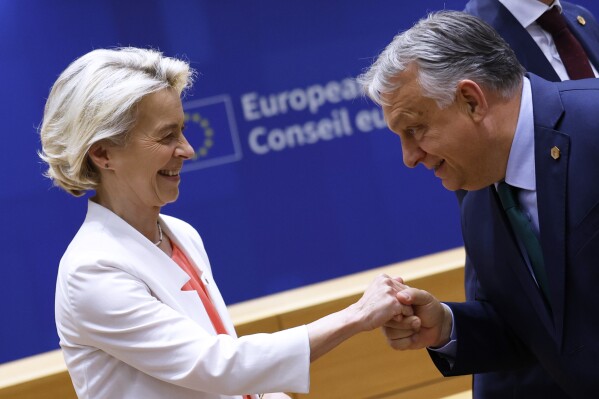
Donald Trump’s return to power has stripped away the polite veneer of diplomacy. He views Europe’s military and financial reliance not as a partnership, but as a sign of fundamental weakness. Trump frequently uses his platform to ridicule European leaders, treating them more like managers of a subsidiary than heads of sovereign states.
His rhetoric is famously blunt and often personal. He has mocked Emmanuel Macron, describing him as “weak” and “erratic” on trade. He has famously ridiculed German leadership over their energy and defense policies, once stating: “They want us to protect them from the East, but they pay the East billions for gas. They are playing a game, and they think we are the fools.” His dismissive attitude toward the EU—which he once called a “foe” in terms of trade—underscores a total lack of respect for the continent’s administrative sovereignty.
The Decline into Non-Self-Sufficiency
The current state of affairs highlights a painful reality: the Europe that once shaped global destiny is now militarily and economically tethered to the U.S. This “client-state” status leaves Europe unable to make independent decisions on the world stage. As Trump continues to mock the perceived fragility of European leaders, the continent faces a harsh choice: continue in a state of comfortable, humiliated dependence or undergo the painful process of re-militarization and economic decoupling to regain its lost autonomy.