




An analysis of Iran’s historical shift from secular democracy to the Islamic Republic, its strategic dominance over global energy corridors, and the paths toward resolving the standoff with the West.
The Transformation of Iran: From Modernity to Militant Theocracy
Iran’s modern history is a tragic tale of interrupted progress. Once a beacon of secular modernization in the Middle East, the country underwent a radical metamorphosis in 1979. This shift was not merely a change in government but a total reconstruction of the Persian social fabric, turning a sophisticated civilization into a centralized ideological engine geared for regional dominance and ideological warfare.
The Crushing of Iranian Democracy and the Rise of the Ayatollah
To understand Iran today, one must look at the mid-20th century, when the country possessed a vibrant, albeit fragile, democratic movement.
1953 and the End of Secular Hope
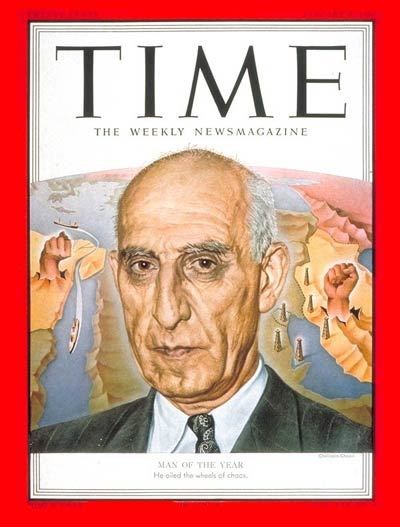
In the early 1950s, Prime Minister Mohammad Mossadegh attempted to nationalize Iran’s oil industry and limit the power of the monarchy. However, a Western-backed coup in 1953 restored the Shah to absolute power. While the Shah modernized the economy, his secret police (SAVAK) suppressed all secular political opposition. This created a vacuum that only the religious networks, led by Ayatollah Khomeini, were organized enough to fill.
The 1979 Revolution and the Brainwashing of a Nation
The 1979 Revolution was initially a broad coalition, but Khomeini quickly purged liberals and leftists. He established Velayat-e Faqih (Guardianship of the Jurist), giving the Supreme Leader absolute authority. For four decades, the regime has utilized a massive state apparatus—including the IRGC and the Basij—to conduct “ideological cleansing.” By controlling education and media, the state has attempted to forge a society primed for “eternal struggle” against the West, framing geopolitical expansion as a religious duty.
Geopolitical Dominance: The Master of the Seas and Energy
Iran’s power is not just ideological; it is profoundly geographical. Historically and modernly, Iran sits atop the most sensitive “nervous system” of the global economy.
The Strait of Hormuz: A Global Chokepoint
Iran possesses over 2,000 kilometers of coastline along the Persian Gulf and the Gulf of Oman. The Strait of Hormuz, which Iran can effectively monitor or block, is the world’s most important oil transit point. Nearly 20% of the world’s total petroleum consumption passes through this narrow stretch. By threatening this corridor, Iran holds a “digital and energetic dagger” to the throat of the civilized world, capable of triggering a global depression with a single naval blockade.
Gas and Oil as Instruments of Influence
Iran holds the world’s second-largest natural gas reserves and fourth-largest oil reserves. Its historical dominance in the region is bolstered by its ability to supply (or withhold) energy from neighboring states and global markets. This wealth provides the “petrodollars” necessary to fund proxy groups (Hezbollah, Houthis, Hamas), allowing Iran to wage war without ever deploying its own regular army on its borders.
Resolving the Conflict: The Civilized World vs. The Islamic Republic
The tension between Iran and the international community is a clash of fundamental values: the rule of law and sovereignty versus revolutionary expansionism.
Economic Isolation and Internal Pressure
Military intervention carries the risk of a global energy catastrophe. Therefore, the most viable “civilized” solution remains Maximum Pressure combined with support for the Iranian people. The regime is increasingly disconnected from its youth, who are tired of religious fanaticism. Strengthening sanctions that target the IRGC’s economic empire, rather than the general population, aims to starve the “war machine” while encouraging internal reform.
Strategic Alliances and the Abraham Accords
The ultimate resolution may lie in regional containment. The Abraham Accords showed that Arab nations and Israel can unite against Iranian aggression. By building a unified regional defense shield (including missile defense and naval cooperation), the West can render Iran’s “missile diplomacy” obsolete. Only when the regime realizes that its “revolutionary export” no longer has a market will it be forced to negotiate in good faith or face total systemic collapse.
The End of the Fanatic Era
Iran is a great civilization currently held hostage by a narrow theological elite. The path to peace requires the world to recognize that the Iranian people are the first victims of the Ayatollah’s brainwashing. By securing the seas and supporting the democratic aspirations of the Iranian youth, the civilized world can help restore Persia to its rightful place as a cultural hub rather than a source of global instability.