


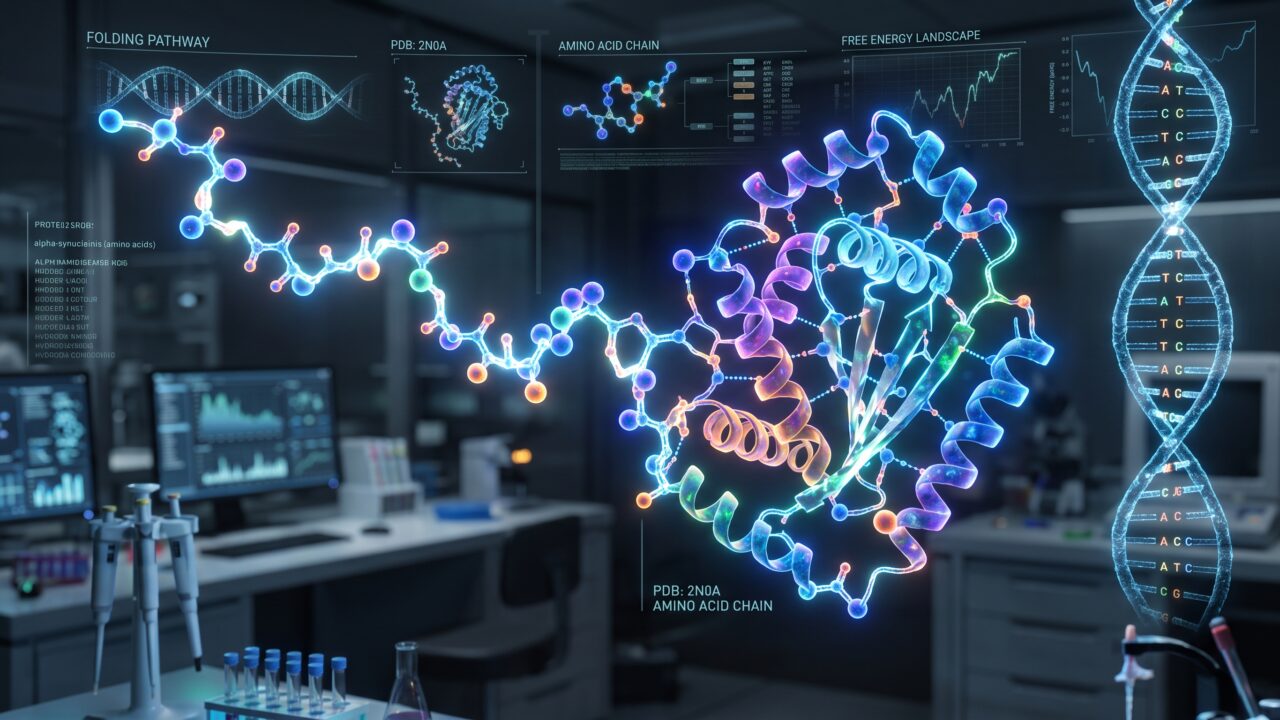


Human memory is not a static storage unit but a dynamic process of encoding, storing, and retrieving information. In a world where data doubles every year, the ability to learn quickly has become a primary competitive advantage. However, the effectiveness of this process depends less on the hours spent over a book and more on the biochemical state of our brain.
Sleep The Master Engineer of Insight and Generalization
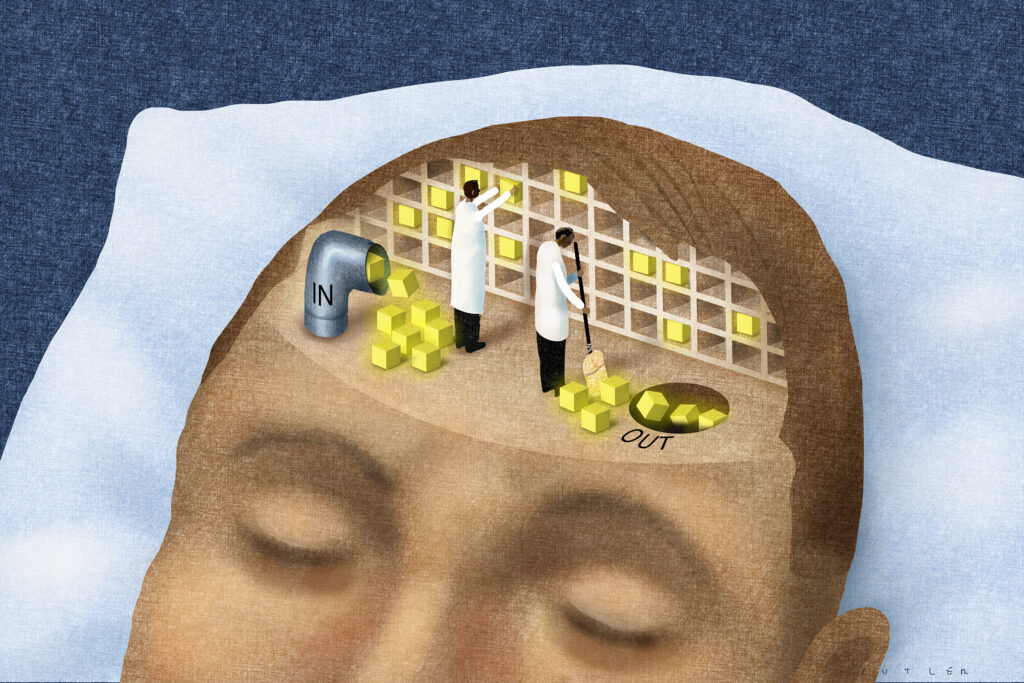
Many students make the fatal mistake of sacrificing sleep for late-night study sessions. From a neurobiological perspective, this is entirely counterproductive. Recent research published in PNAS (2023) has revealed that sleep does far more than just save memories. It actively restructures them to enhance problem-solving. During sleep, the brain moves information from the hippocampus to the neocortex. This process, known as systems consolidation, allows the brain to strip away irrelevant details and identify underlying patterns. This is why a person often wakes up with a clearer understanding of a complex concept than they had the night before.
Furthermore, during REM and non-REM cycles, the brain replays neural firing patterns from the day. This replay doesn’t just strengthen the memory; it reorganizes it, facilitating insight—the ability to combine separate pieces of information into a new, cohesive idea. Meanwhile, the glymphatic system activates to wash away metabolic waste, such as beta-amyloid. Without this nightly cleaning, neurons operate slower, leading to chronic brain fog and a diminished capacity for critical thinking.
How to Memorize Quickly and Prepare for Tests
Effective learning relies on active brain engagement rather than the passive re-reading often practiced by students. Spaced repetition remains the gold standard, where studying in short blocks separated by increasing intervals exploits the spacing effect to prevent information decay. This works in tandem with active recall, the practice of closing the book and forcing the brain to retrieve information from within, which creates significantly stronger neural pathways than visual recognition alone.
Conceptual depth is achieved through the Feynman Technique, where a learner explains a topic in simple terms to identify gaps in their own understanding. If a concept cannot be explained simply, the neural representation is likely fragmented. To organize these fragments, mind mapping is used to mirror the brain’s natural networked structure. By visualizing connections between concepts, the hippocampus can structure and index data much more efficiently for long-term retrieval.
Nootropics Short Term Boost and Long Term Risks
Nootropics, or smart drugs, are substances that target cognitive functions like memory, attention, and motivation by manipulating the brain’s chemical environment. These substances often increase the levels of acetylcholine, a neurotransmitter critical for signal transmission during learning, or enhance glutamate activity to strengthen synaptic plasticity. While they can provide a temporary feeling of hyper-focus and increase the dopamine-driven reward feeling associated with completing tasks, they carry significant biological costs.
The abuse of nootropics, especially unprescribed stimulants, can lead to receptor downregulation. The brain quickly adapts to artificial stimulation by reducing its natural production of neurotransmitters, often resulting in depression and worsened memory once the substance is stopped. Furthermore, many nootropics degrade the quality of sleep. As suggested by the PNAS study, when sleep architecture is compromised, the brain loses its ability to generalize and gain insight, even if the individual can still recall raw facts. This leads to a state of cognitive rigidity, where a person becomes efficient at repetitive tasks but loses the creative ability to switch gears between different types of complex problem-solving.