




The stability of the European educational system is facing a threat far more physical than a digital virus or a curriculum shift. As global fuel shortages reach a breaking point—exacerbated by the devastating escalation of war in Iran—the continent’s ability to physically transport its future generation to the classroom is beginning to crumble.
What was once a logistical certainty is now a luxury: the school bus.
The Death of the Rural Commute
Across Europe, from the scattered villages of the French countryside to the remote highlands of Romania, the school bus is the literal lifeline of education. Unlike dense urban centers with robust subway systems, rural regions depend entirely on internal combustion engines to bring children to regional hubs.
With fuel prices skyrocketing to unprecedented levels and no foreseeable solution on the horizon, municipalities are sounding the alarm. If local governments can no longer afford the diesel to run their fleets, tens of thousands of children in remote corners of the continent will be effectively cut off from physical schooling.
The Forced Migration to Permanent Distance Learning
The default solution being whispered in the halls of Brussels is a return to permanent distance learning. However, unlike the temporary measures seen during the pandemic, this would be a forced transition driven by economic exhaustion rather than public health.
Experts warn that this “emergency” shift could become permanent. If schools become physically inaccessible, the social fabric of European education—peer interaction, teacher-led mentorship, and structured environments—will evaporate. For many regions, “distance learning” is a polite term for social isolation and a diminished quality of instruction.
A Looming Continental Catastrophe
European nations currently seem to be in a state of paralysis, failing to realize that this fuel deficit is not just an economic hiccup, but a civilizational bottleneck.
- The Digital Divide: Moving education online permanently will widen the gap between wealthy urbanites and the rural poor, who often lack the high-speed infrastructure to support a full-time digital curriculum.
- Economic Stagnation: If children are forced to stay home, parents—particularly in rural areas—will be forced to leave the workforce to provide supervision, leading to a secondary economic collapse.
- The Erosion of Standards: History shows that remote education, when not a choice but a necessity of poverty, leads to lower literacy rates and a drop in specialized skills.
No End in Sight
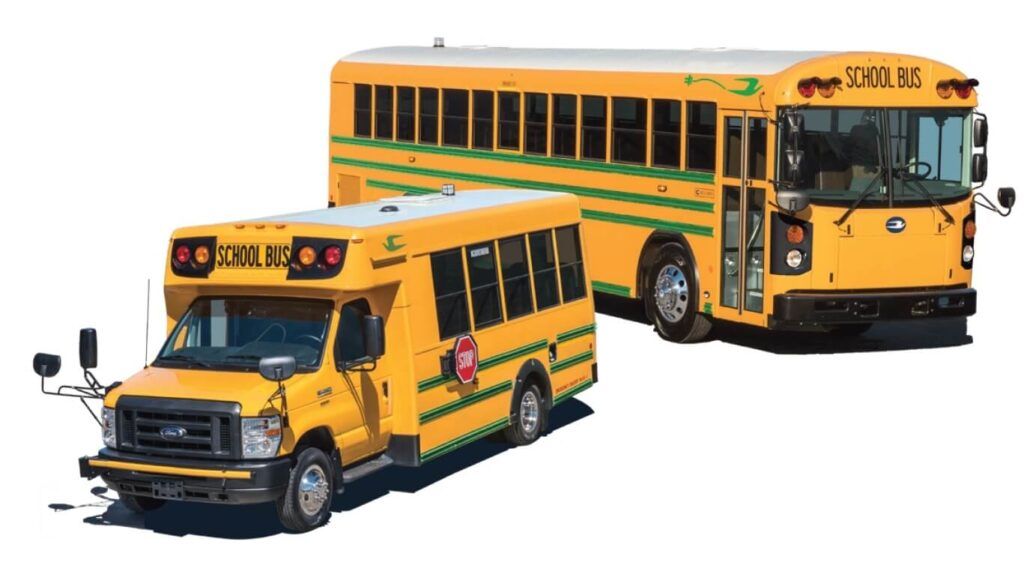
The geopolitical reality is bleak. The conflict in Iran has choked the primary arteries of global oil supply, and traditional diplomatic solutions are failing. Without a radical shift toward energy independence or a localized subsidization of school transport, the “yellow bus” may soon become a relic of a more prosperous past.
Europe is standing on the precipice of an educational dark age. If children cannot get to school, the intellectual capital of the continent will begin to depreciate. This is no longer just a crisis of energy; it is a crisis of the future.
Key Data Points:
- Current Fuel Trend: 40-60% increase in regional transport costs across the EU.
- At-Risk Population: Estimated 15% of European students reside in areas where public transit is non-existent without school-specific buses.
- Strategic Risk: Permanent shift to online schooling could result in a 10% decline in national testing scores within three years.