


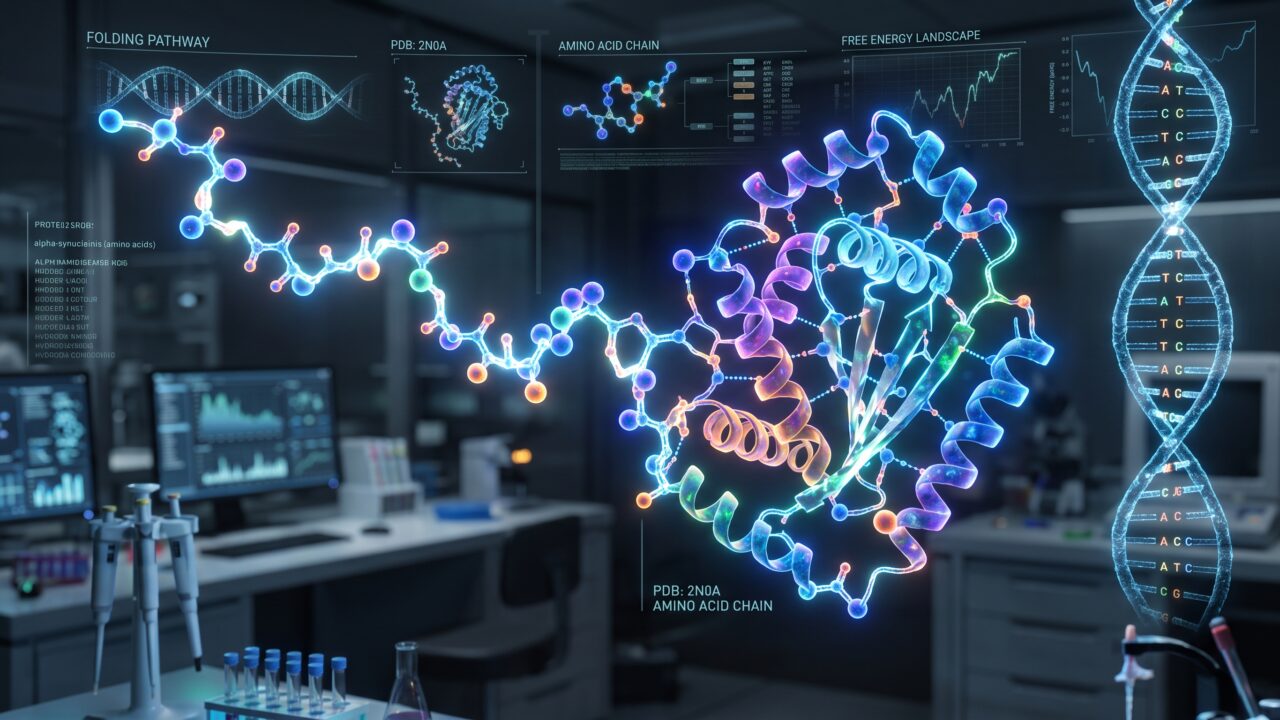
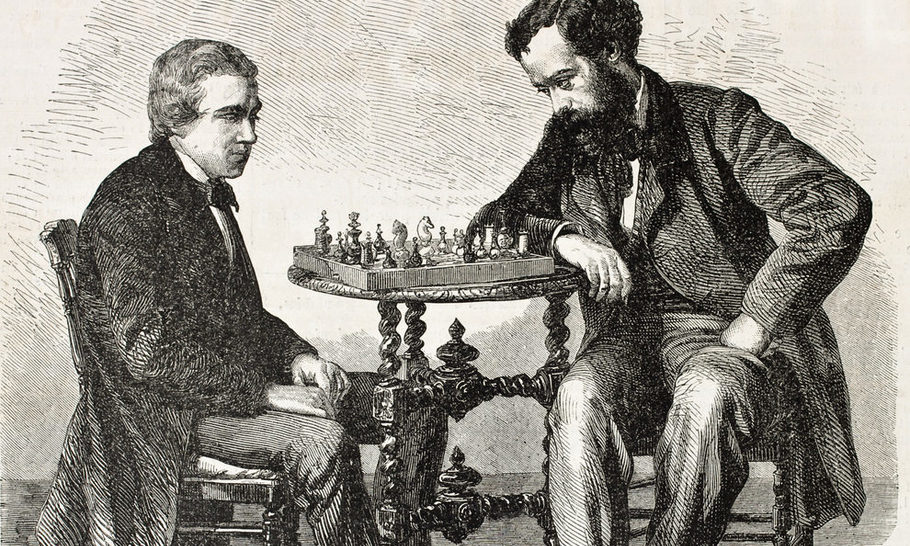

The American education system is facing an unprecedented crisis of motivation. In an era where TikTok delivers answers in 15 seconds and Generative AI writes essays in milliseconds, the traditional blackboard and textbook have become artifacts of a bygone age. The question is no longer just why students are disengaged, but how to reclaim their attention in a world of “information tsunamis.”
The Death of the Long-Form: Why Traditional Methods are Failing
Traditional learning was built on linear information processing: reading books, deep immersion, and manual note-taking. However, the sheer velocity of the modern information flow has rewired the adolescent brain.
Today, reading 50 pages of dense text is perceived by a student’s brain as an energetically inefficient task. When the sum of human knowledge is accessible in one click, the brain evolutionarily chooses the path of least resistance. Manual note-taking cannot compete with the speed of search engines, and a 45-minute lecture loses to the high-octane dynamics of short-form video.
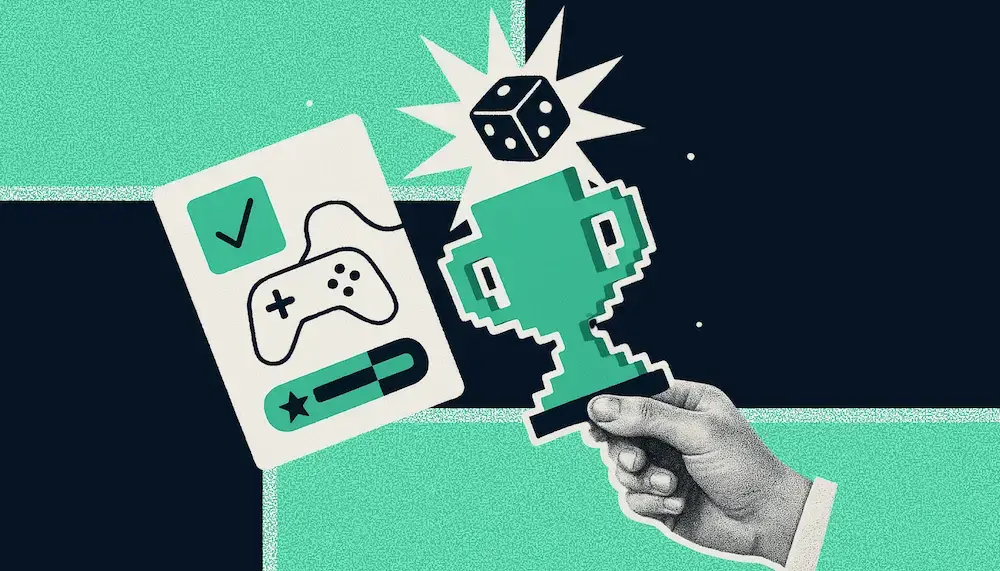
Gamification as a Life Raft
To bridge the chasm between dry theory and the digital world, U.S. schools are aggressively adopting Gamification. This isn’t just “fun”; it is a desperate attempt to speak the student’s native biological language.
Key Implementations and Statistics:
- Classcraft: A platform that turns a classroom into a Role-Playing Game (RPG). Students create avatars, earn Experience Points (XP) for academic success, and lose Health Points (HP) for disruptions.
- Minecraft Education Edition: Used to teach everything from the periodic table to the architecture of ancient Rome. Instead of memorizing formulas, students build them.
- Interactive Quests: History is taught through “escape room” puzzles where students must solve historical mysteries to unlock the next chapter.
The Statistical Impact: According to recent educational surveys in the U.S., schools utilizing gamified platforms have reported a 40% to 60% increase in student engagement and a 15% improvement in assignment completion rates compared to traditional lecture-based environments.
The Biological Risks: The Price of “Fun”
While gamification is a powerful hook, it is not a magic bullet. It carries significant biological and cognitive risks that could haunt the next generation:
- Atrophy of Deep Concentration: Students become accustomed to immediate “dopamine hits” (badges, levels, points). This erodes the ability to perform the long, monotonous “deep work” required for high-level science, law, or engineering.
- Surface-Level Learning: Vivid visuals can overshadow the core subject. A student may remember how they defeated a “boss” in a history game but fail to grasp the socio-economic causes of the actual conflict.
- The Incentive Trap: If the “game” elements are removed, motivation often crashes to zero. Education risks becoming “edutainment,” where the goal is the reward, not the knowledge itself.
Is There a Limit?
The evolution of information flow dictates the rules: there is more data and less time to process it. However, there is a threshold where education turns into a mere simulation.
The limit of gamification lies where fundamental meaning ends. We can teach a child to drive a virtual Mars rover through a game, but calculating its actual trajectory in the real world still requires “boring” advanced calculus and hours of quiet, focused labor.
Conclusion
Gamification is a necessary adaptation to a new digital reality—a way to lure Generation Alpha back to their desks. However, the ultimate challenge for the United States remains finding a balance: using the game as a tool without turning the pursuit of truth into a mindless series of button presses. The future belongs to those who can combine the speed of the game with the depth of traditional wisdom.