





Taiwan, a small island located just 100 miles off the coast of mainland China, has become the most dangerous geopolitical fault line of the 21st century. What was once a frozen conflict from the Chinese Civil War has transformed into a high-stakes struggle for technological supremacy and military dominance. To understand why Taiwan is the “center of the world,” one must look at the intersection of history, the global supply chain, and the strategic calculus of the two superpowers.
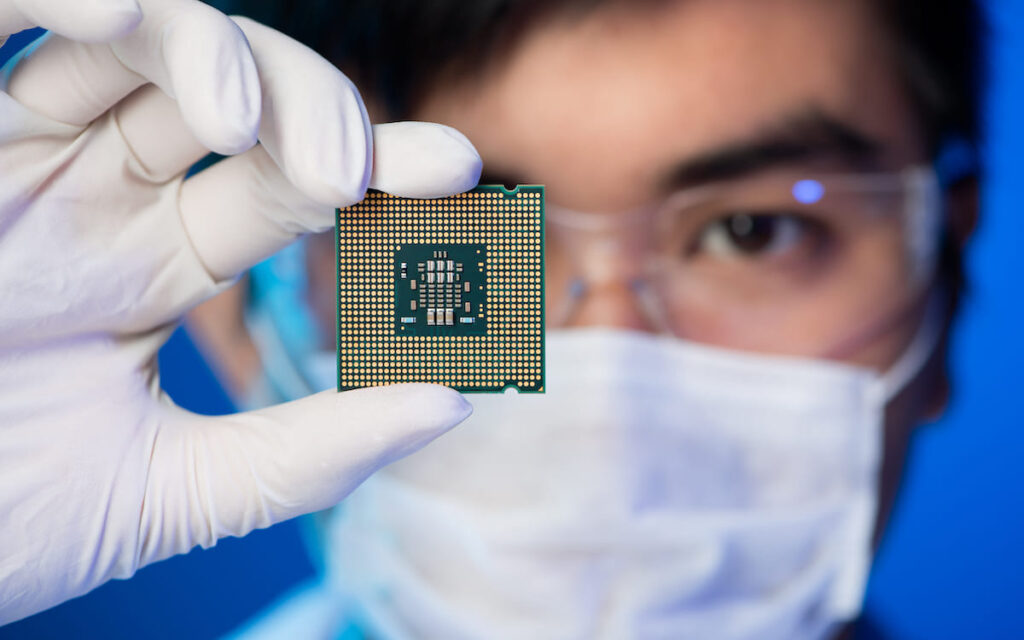
The Silicon Shield Why Microelectronics Matter to the Military
The primary reason Taiwan is indispensable to the global economy is TSMC (Taiwan Semiconductor Manufacturing Company). This single company produces over 90% of the world’s most advanced semiconductors—chips smaller than 7 nanometers.
In modern warfare, these microchips are the “new oil.” They are the brains behind:
- Precision-Guided Munitions Missiles and drones require high-end chips for navigation and targeting.
- Artificial Intelligence AI-driven battlefield analysis and autonomous systems depend on the processing power that only Taiwanese chips currently provide.
- Stealth and Communications Advanced fighter jets, like the F-35, and secure satellite arrays are useless without the specialized microelectronics manufactured on the island.
For the United States, losing access to Taiwan’s foundries would not just cause a consumer electronics shortage; it would effectively decapitate the American military-industrial complex.
The Strategic Tug of War US Interests vs Chinese Ambition
For China, Taiwan is the “unfinished business” of the revolution. Beijing views the island as a breakaway province that must be “reunified” with the mainland to achieve the “Great Rejuvenation of the Chinese Nation.” Beyond ideology, Taiwan is the key to the First Island Chain. If China controls Taiwan, it can project military power deep into the Pacific and threaten US bases in Guam and Hawaii.
For the United States, Taiwan is a beacon of democracy and a critical strategic partner. Under the Taiwan Relations Act, the US is committed to providing the island with the means to defend itself. Strategically, an independent Taiwan keeps the Chinese Navy “bottled up” within its coastal waters and ensures that the vital trade routes of the South China Sea remain open.
The Strategy of Attrition Waiting for American Weakness
Geopolitically, Beijing is playing a long game. Chinese leadership is keenly observant of domestic trends in the United States. They are waiting for a specific window of opportunity—a period of significant American weakening.
This perceived weakness could take several forms:
- Political Polarization Internal civil unrest or extreme political gridlock in Washington that prevents a rapid response to a crisis.
- Economic Overextension A domestic financial crisis that forces the US to cut military spending or retreat from international commitments.
- Global Overreach If the US becomes bogged down in multiple regional conflicts (such as in Europe or the Middle East), Beijing may calculate that the American public has no appetite for a third, far more dangerous war over Taiwan.
China’s strategy is not necessarily an immediate “D-Day” style invasion, but a gradual “salami-slicing” of Taiwan’s sovereignty through cyberattacks, economic blockades, and military intimidation, all while waiting for the moment the US appears too distracted or exhausted to intervene.