



The Academy Awards, universally known as “The Oscars,” have served as the gold standard of global cinema for nearly a century. However, today, the prestigious statuette finds itself in the eye of an ideological storm, where the pursuit of artistic excellence increasingly clashes with a rigid social agenda.
From a Private Dinner to a Global Phenomenon
The history of the Oscars began in 1929 with a private dinner at the Hollywood Roosevelt Hotel. Louis B. Mayer, head of MGM, established the Academy to unify the industry and resolve labor disputes. Back then, the criteria were remarkably straightforward: technical mastery, box office success, and innovation within the bounds of classical storytelling. Art was judged through the lens of professionalism—acting, directing, and screenwriting—without regard for political or social variables.
Sitting on Two Chairs: Art vs. Tolerance
In recent years, the Academy has attempted a near-impossible task: remaining the ultimate arbiter of high art while simultaneously serving as a flagship for inclusivity. The introduction of official “Diversity Standards,” which became mandatory for Best Picture eligibility, has fundamentally altered the rules of the game.
To be nominated, a film must now meet specific quotas regarding the representation of race, gender, and sexual orientation both on-screen and within the production crew. Unfortunately, these “implicit” (and now explicit) rules often dismantle the canonical representation of historical events or literary source materials. Artists find themselves forced to adapt to standards that sometimes turn the creative process into a mere compliance checklist.
Oscars 2026: “Sinners” and the Lost Meaning
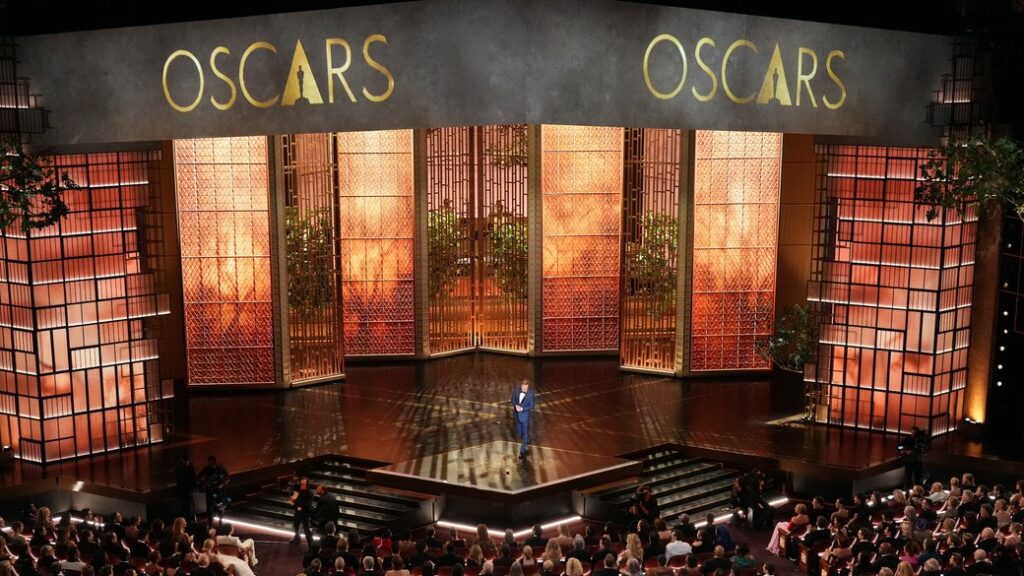
The 2026 Academy Awards ceremony only confirmed the fears of many critics. The film “Sinners” is undeniably a powerful and profound work that deserves recognition. However, the victory of the lead actor sparked a wave of indignation among audiences. The consensus among many film fans is that this choice was dictated less by acting performance and more by political climate and the perceived necessity to maintain a “balance of representation.”
When an award becomes the predictable result of social engineering, it loses its magic. The audience senses a lack of authenticity when an actor receives a statuette primarily because they “correctly” fit the ideological paradigm of the year.
What Lies Ahead: Prestige or Freak Show?
The future of the award looks murky. If the Oscars continue down the path of strict limitations and enforced rules, they risk permanently transforming from the world’s premier celebration of cinema into just another “freak show,” where a political statement carries more weight than a director’s talent.
Art, by its very nature, is free. It does not tolerate frames or quotas. Unless the Academy finds the strength to return the focus to individual mastery and the sincerity of the story, the Oscars may become a relic of the past. They risk losing their relevance to new platforms where the only criterion is the quality of the film, regardless of the race or gender of its creators.