



A comprehensive analysis of the historical rise of drug cartels, the shifting strategies of U.S. enforcement, the European expansion of organized crime, and the groundbreaking role of Ukrainian drone expertise in modern interdiction.
The Genesis of the Modern Cartel
The history of drug cartels is rooted in the late 1970s and 80s, primarily within the Andean region and Mexico. Initially, these organizations were fragmented smuggling groups. However, the rise of the Medellín and Cali cartels in Colombia transformed the trade into a multi-billion dollar corporate-style enterprise. Leaders like Pablo Escobar revolutionized logistics, using private aircraft and sophisticated maritime routes to flood global markets with cocaine.
During this early era, the United States viewed the drug trade primarily as a law enforcement issue rather than a national security threat. While the “War on Drugs” was officially declared by the Nixon administration, the focus remained largely domestic. In the 1980s, geopolitical priorities during the Cold War often overshadowed anti-narcotics efforts, as Washington was frequently more concerned with countering communist influence in Latin America than dismantling the fledgling criminal syndicates building their empires.
The Shift to Modern Containment and National Security
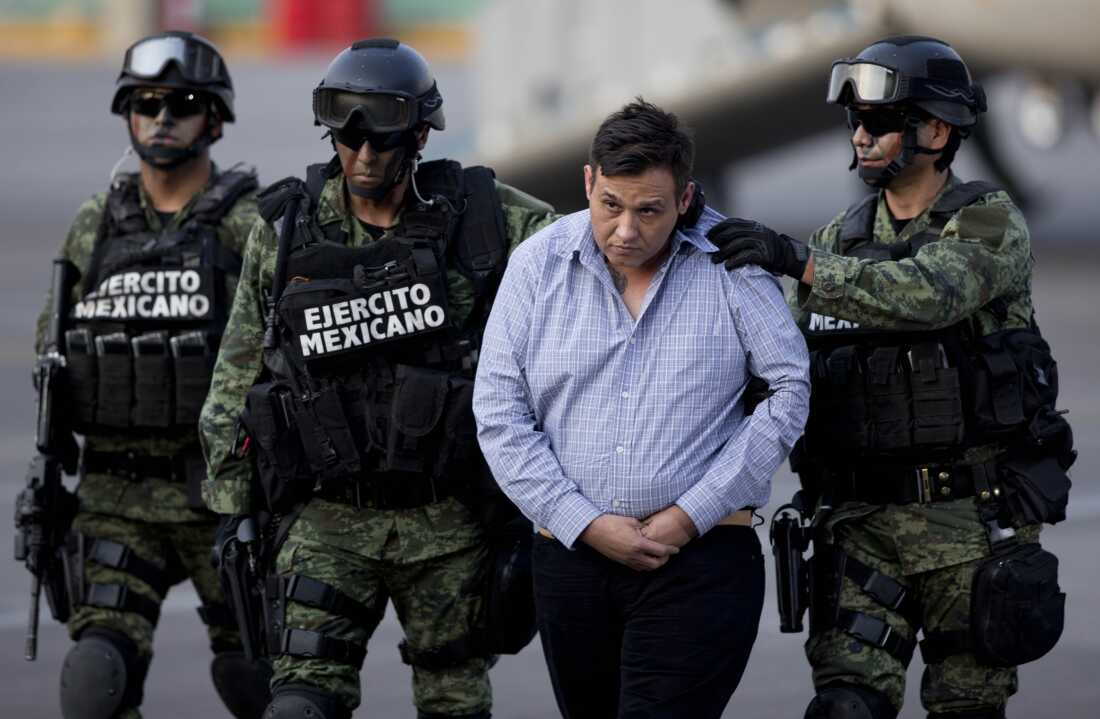
The transition from passive monitoring to aggressive military-style intervention occurred as cartels evolved from mere smugglers into “paramilitary states.” Today, organizations such as the Sinaloa Cartel and the Jalisco New Generation Cartel (CJNG) control vast territories, possess heavy weaponry, and exert significant influence over sovereign governments.
The U.S. pivot toward intense combat and strategic interdiction is driven by two main factors:
- The Fentanyl Crisis: The shift from organic drugs to synthetic opioids has caused record-breaking mortality rates in the U.S., elevating cartel activity to a direct existential threat to public health.
- Sovereignty and Violence: The extreme violence on the U.S.-Mexico border and the destabilization of neighboring states have forced Washington to treat cartels as “transnational criminal organizations” with combat capabilities rivaling state militaries.
The European Front and Global Connectivity
Drug cartels are no longer exclusively a Western Hemisphere phenomenon; they are now deeply entrenched in the European Union. Europe has become the world’s second-largest market for cocaine. Unlike the centralized structures seen in the Americas, European operations often function as a “federation” of local organized crime groups—such as the ‘Ndrangheta in Italy or various Balkan clans—working in direct partnership with South American suppliers.
These networks are connected through a global “shadow logistics” system. Cartels utilize major European ports like Antwerp and Rotterdam as primary entry points, often embedding their shipments within legitimate global trade containers. This connectivity extends to money laundering through international shell companies and the widespread use of cryptocurrency to move billions of dollars across borders undetected.
A New Chapter: Ukrainian Expertise in the Fight
One of the most significant recent developments in the struggle against narco-terrorism is the integration of modern battlefield technology. According to the U.S. State Department’s Bureau of International Narcotics and Law Enforcement Affairs (INL), Ukrainian specialists have begun training American personnel in the effective use of Unmanned Aerial Vehicles (UAVs) against cartel infrastructure.
Having gained unparalleled experience in high-intensity drone warfare, Ukrainians are uniquely qualified to teach advanced tactics for:
- Persistent Surveillance: Monitoring vast, rugged jungle terrain where cartel laboratories remain hidden from traditional satellite view.
- Targeted Interdiction: Utilizing FPV (First Person View) drones to disable cartel transport vehicles and “narco-subs” without risking the lives of ground troops.
- Electronic Warfare: Identifying and jamming cartel communication nodes and GPS-guided smuggling equipment.
This collaboration marks a historic shift: the tactical innovations born on the battlefields of Eastern Europe are now being deployed to secure the borders and communities of the Western Hemisphere.
The Future of Global Security
The evolution of drug cartels from simple smugglers to global technological entities has forced a revolution in how states defend themselves. From the early days of the Medellín Cartel to the current era of drone-assisted interdiction, the fight has moved from the city streets to the stratosphere. As the U.S. and its international partners, including Ukraine, combine their unique strengths, the goal remains the same: dismantling the financial and physical infrastructure of the world’s most dangerous criminal networks.