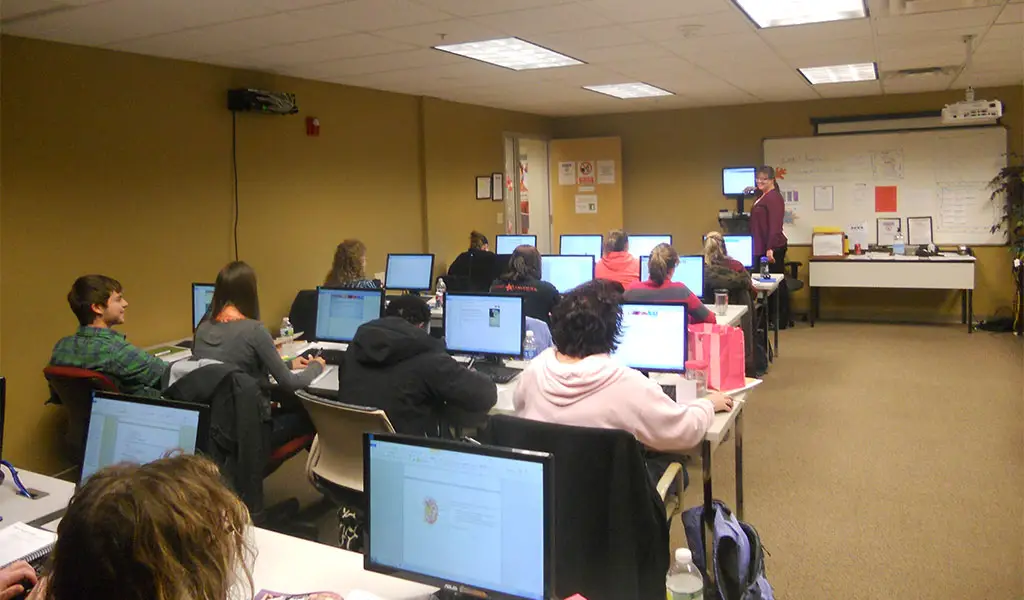
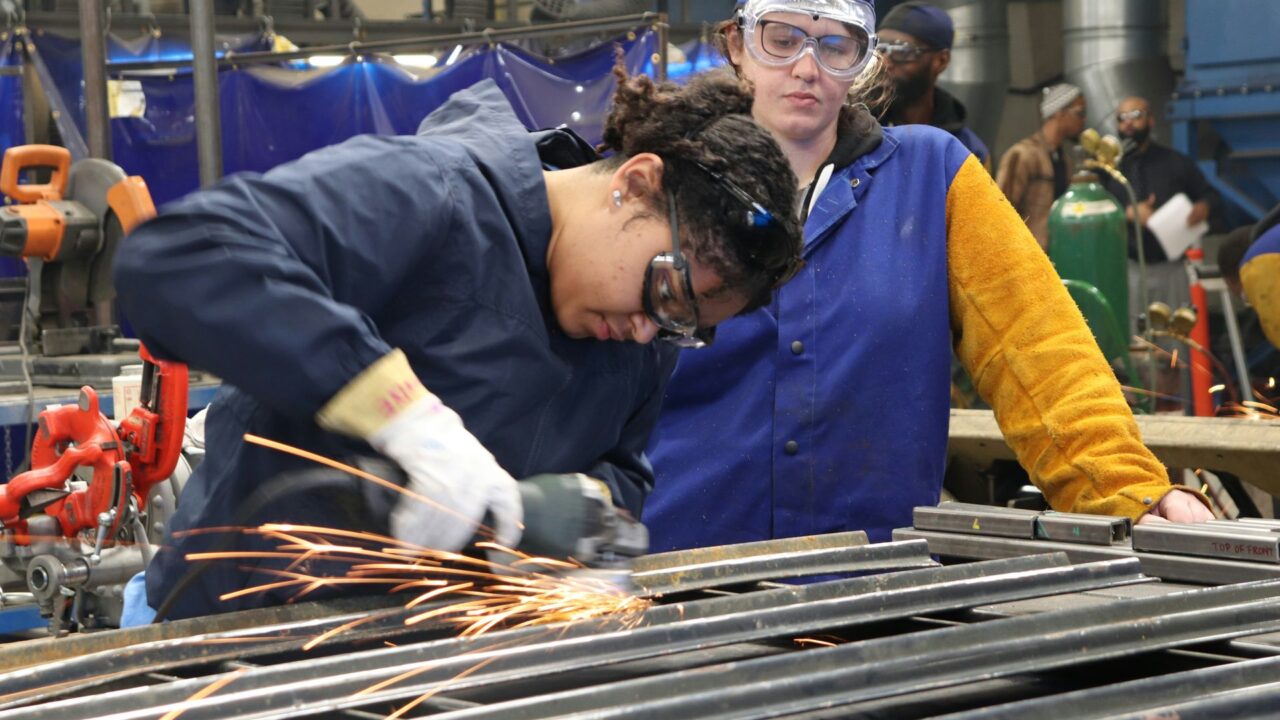




The global education landscape is undergoing a seismic shift as the cost of traditional four-year degrees skyrockets and the shelf-life of technical skills shrinks. A new vector of learning is emerging where students in the United States and Europe are increasingly moving away from the hallway of classical academia. Instead, they are opting for a faster and more agile fundamental base through vocational education and “stackable” credentials.
The Rise of Stackable Credentials and Micro Learning
The era of a single degree lasting a lifetime is ending, replaced by the dominance of stackable credentials. This model allows students to build their education incrementally by combining a traditional degree with specific professional certificates, such as Data Analytics or Cybersecurity. This approach significantly increases speed to market, allowing learners to enter the workforce in months rather than years.
The economic scale of this shift is massive, with the global alternative credentials market valued at $18.83 billion in 2025 and projected to reach nearly $70 billion by 2034. As of 2026, roughly 30% of all higher education learners are now enrolled in these non-traditional, skills-focused programs that prioritize immediate utility over general theory.
The Vocational Boom and Crafting the Future
Traditional university systems often struggle to adapt to rapid technological shifts, causing a boom in technical and trade colleges. This trend is fueled by a desire for fast money and the immediate acquisition of high-demand skills. In the United States, vocational enrollment at community colleges jumped by 16% recently and continues to climb through 2026. Trade school graduates benefit from a significant reduction in debt, averaging roughly $10,000 compared to the $30,000–$38,000 typically held by Bachelor’s degree earners. Furthermore, vocational students often enter the workforce three to four years earlier, lowering their total opportunity cost.
In Europe, vocational education and training is already a fundamental base of the economy. In the European Union, nearly 50% of upper secondary students are enrolled in vocational programs, and the employment rate for recent vocational graduates reached 80% in 2024. In countries like Germany, that rate hits as high as 92%, proving that the dual-track system is highly effective at matching labor supply with demand.
Why Universities Are Losing the Innovation Edge
The surge in professional education is a direct response to a scientific skew in traditional universities. While academic institutions excel at theory, they often fail the usability test of the modern labor market. It can take years for a university to approve a new course, whereas bootcamps and technical colleges can pivot in weeks. Modern workers prioritize a spirit of self-reliance, seeking to master specific tools like AI, specialized welding, or renewable energy maintenance to monetize them immediately. With annual tuition at four-year public colleges reaching prohibitive levels, students are treating education as a high-stakes investment where the return on investment from trade schools is often more immediate.
Reevaluating the Fundamental Base of Success
The shift toward vocational and stackable learning is a human-caused phenomenon and a collective choice to prioritize efficiency and practical mastery over the prestige of a traditional diploma. As we look at the choices made by the new generation of workers, it becomes clear that the educational hallway has widened.
The future does not belong to those who wait four years for a piece of paper, but to those who constantly update their stack of skills to meet the challenges of an automated world. The market increasingly rewards those who can do the work rather than those who have merely studied it, forcing a total reevaluation of what it means to be an “educated” professional in the 21st century.