




After a prolonged crisis of mental health among the younger generation, schools and universities have fundamentally shifted their approach. The modern educational vector is no longer focused solely on academic output, but on the psychological base required to survive an era of global uncertainty. From the mandatory integration of emotional intelligence in the US to the legislative banning of smartphones in Europe, the “hallway of education” is being redesigned to protect the cognitive health of students.
Social Emotional Learning (SEL) and the American Mandate
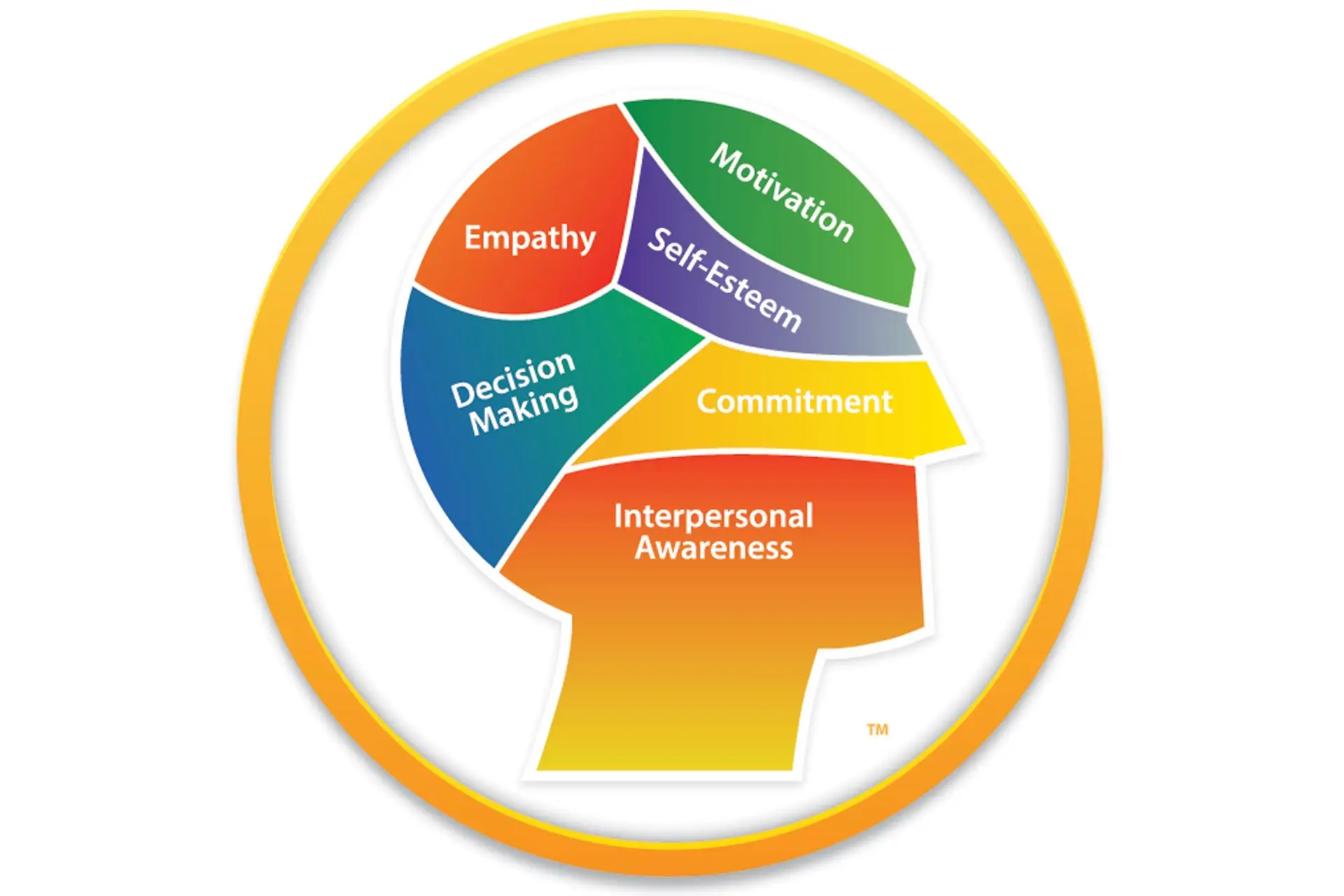
In the United States, the recognition that academic success is impossible without emotional stability has led to the widespread adoption of Social Emotional Learning (SEL). This framework focuses on developing self-awareness, self-management, and relationship skills as part of the core curriculum.
As of 2026, over 25 states have established mandatory SEL standards for K-12 education. For example, in states like Illinois and Washington, students are taught to navigate complex emotional landscapes as a fundamental base for their future careers. Statistics indicate that schools implementing SEL programs have seen an 11% gain in academic achievement and a significant reduction in behavioral incidents. By treating emotional intelligence as a “hard skill,” the education system is attempting to provide students with the internal tools necessary to combat the rising tide of anxiety.
The Rise of Antidepressants and Information Noise Regulation
Despite these educational efforts, the external environment remains volatile. Global conflicts and the existential uncertainty of the future have led to a surge in the use of antidepressants among students. Recent data suggests that nearly 1 in 5 university students in the US and UK now utilize some form of psychiatric medication to maintain mental stasis.
In response to this pharmaceutical trend, universities have begun introducing “Information Noise Regulators.” These are not just software tools, but institutional policies designed to filter the overwhelming influx of digital stimuli. By creating “silent zones” and limiting the distribution of non-essential academic notifications, institutions are trying to reduce the constant “fight or flight” response triggered by the 24/7 news cycle and social media pressures.
Digital Detox: The European Legislative Response
While the US focuses on internal emotional tools, several European nations have turned toward legislative boundaries. France, Greece, and the United Kingdom have implemented strict regulations or total bans on smartphone use within school premises.
The goal of this “Digital Detox” is to restore two critical pillars of development: concentration and socialization.
- France: Since the total ban on mobile phones in middle schools, educators have reported a noticeable increase in “real-world” social interaction during breaks.
- United Kingdom: New government guidance has empowered headteachers to prohibit phone use throughout the school day, citing a direct correlation between screen time and the degradation of mental health.
These countries are investigating a future where the school remains a sanctuary from the digital arteries that often pump stress and comparison into the minds of the youth.
Reevaluating the Fundamental Base of Learning
The shift toward emotional intelligence and digital restriction is a human-caused phenomenon—a collective defense mechanism against an increasingly chaotic world. The “innovation skew” of the last decade prioritized constant connectivity, but the current vector is moving toward cognitive sovereignty.
We must look at the choices made by these institutions not as a retreat from technology, but as a strategic advance toward human resilience. The future of education does not belong to the most connected student, but to the most grounded one. By regulating information noise and mandating emotional mastery, we are preparing the next generation to be the architects of their own mental stability in an age of catastrophes.