



Education is the single most powerful tool for human development, economic growth, and poverty reduction. However, when we look closely at education in africa today, we find a system of stark contrasts. While primary school enrollment rates have experienced historic increases over the last two decades, the continent’s educational infrastructure struggles to keep pace with its rapidly growing youth population.
To understand where the continent stands, we must analyze the structural limitations of the african education system, look closely at the physical gaps on the ground, and explore how communities are working to overcome systemic challenges.
Anatomy of a Crisis: The Lack of Education in Africa
Despite pockets of incredible progress, the lack of education in africa remains a pressing humanitarian and economic emergency. Millions of children across Sub-Saharan Africa remain completely out of school, disproportionately affecting girls, rural communities, and families displaced by regional conflicts.
The primary drivers of this educational deficit include:
- Severe Funding Gaps: Many national budgets across the continent struggle to allocate sufficient capital to build modern school infrastructure, pay fair wages to educators, and provide basic learning materials.
- The “Learning Poverty” Epidemic: According to international development agencies, the vast majority of children in the region suffer from “learning poverty.” This means that even after spending several years attending a local school in africa, many children finish their primary education unable to read or write a basic, age-appropriate sentence.
- Economic Barriers: Although many countries have officially abolished primary school tuition fees, hidden costs—such as mandatory uniforms, textbook fees, and transportation costs—remain completely unaffordable for low-income families.
The Infrastructure Bottleneck: How Many Schools Are in Africa?
When analyzing the capacity of the continent’s networks, researchers often ask: how many schools are in africa?
The exact numerical figure is difficult to pinpoint due to vast disparities between countries and the massive presence of unregistered, community-run learning centers. However, data indicates that the sheer number of physical facilities is severely insufficient for the continent’s demographics. With Africa’s youth population projected to double by 2050, the demand for physical classrooms is growing exponentially.
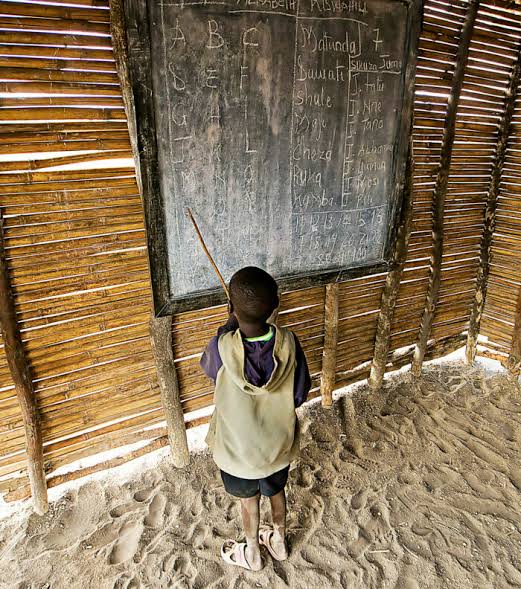
Because of this severe infrastructure deficit, an average school in africa often faces extreme overcrowding. It is not uncommon to find a single classroom packed with 60 to 80 students sharing a handful of outdated textbooks. Furthermore, many rural schools operate without access to electricity, clean drinking water, or safe sanitation facilities, directly impacting student retention and health.
Rethinking the African Education System: Pathways to Reform
For sustainable development to occur, the african education system must transition away from basic enrollment targets toward a deep focus on educational quality and vocational alignment. Several critical pathways can accelerate this evolution:
1. Teacher Training and Professionalization
No educational model can outperform the quality of its teachers. Investing in comprehensive teacher-training programs, providing competitive salaries, and offering continuous professional development are essential steps to improve classroom learning outcomes.
2. Leveraging Digital and Mobile Technology
With mobile connectivity expanding rapidly across Sub-Saharan Africa, digital learning platforms are bypassing physical limitations. High-quality educational apps, offline-accessible curricula, and solar-powered tablets can bring world-class learning resources to remote villages without waiting years for new physical schools to be constructed.
3. Vocational and Technical Alignment (TVET)
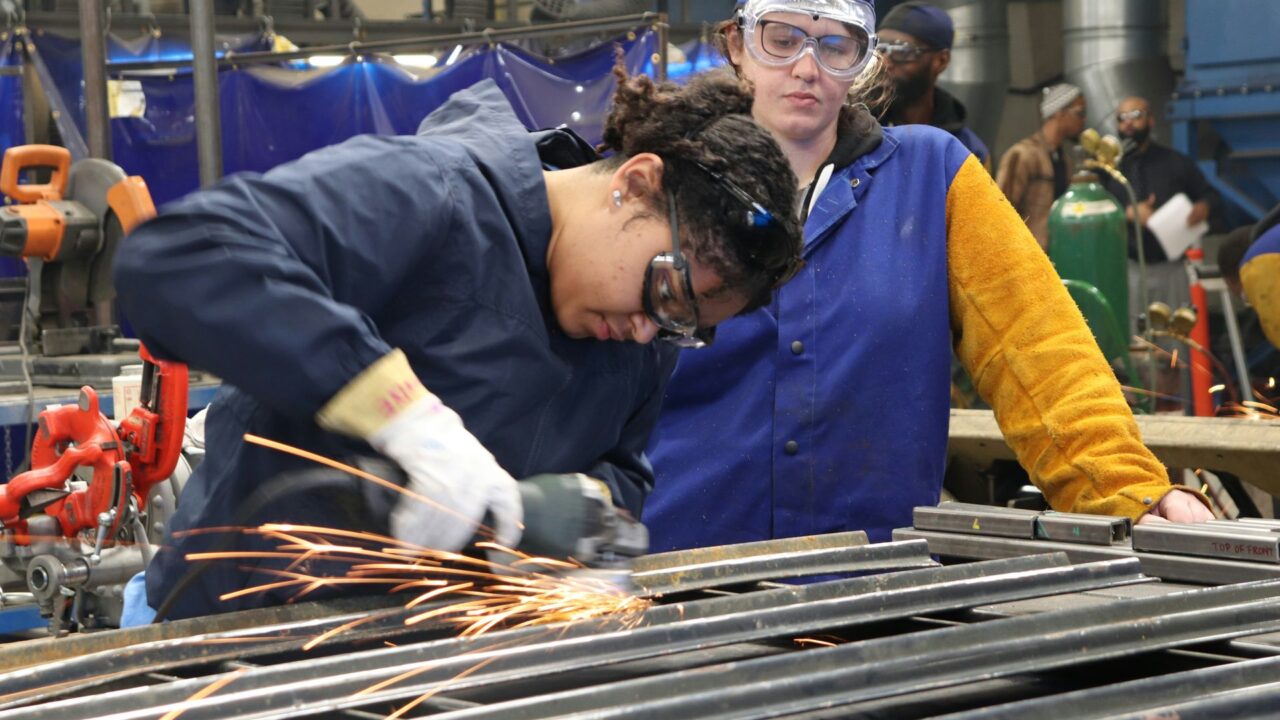
Academic degrees are not the only solution. Strengthening Technical and Vocational Education and Training (TVET) ensures that secondary school graduates are equipped with practical, marketable skills in agriculture, technology, construction, and healthcare—skills that directly fuel local economic growth.
Did You Know? Important Realities of African Education
- The Leapfrog Effect: While many rural communities lack access to physical libraries, Africa leads the world in mobile-money and digital-first alternatives. This technology is increasingly being used to distribute textbooks and learning modules directly to low-cost smartphones.
- The Gender Gap Progress: Despite historical barriers, the gender enrollment gap at the primary level has narrowed significantly over the past two decades, with several nations achieving near-perfect gender parity in early education.
- A Growing Workforce: By 2035, the number of young Africans entering the global workforce will exceed that of the rest of the world combined, making the success of africa education reform a matter of global economic importance.
Frequently Asked Questions (FAQ)
Q: Why is there a lack of education in africa?
A: The lack of education in africa is driven by a combination of underfunded public infrastructure, high poverty rates, regional conflicts, and a rapid population growth rate that consistently outpaces the building of new schools and the training of qualified teachers.
Q: What is the biggest challenge facing a typical school in africa today?
A: Beyond the lack of physical resources, the biggest challenge is “learning poverty.” Many students do not acquire foundational reading, writing, and mathematics skills due to overcrowded classrooms, insufficient teaching materials, and untrained staff.