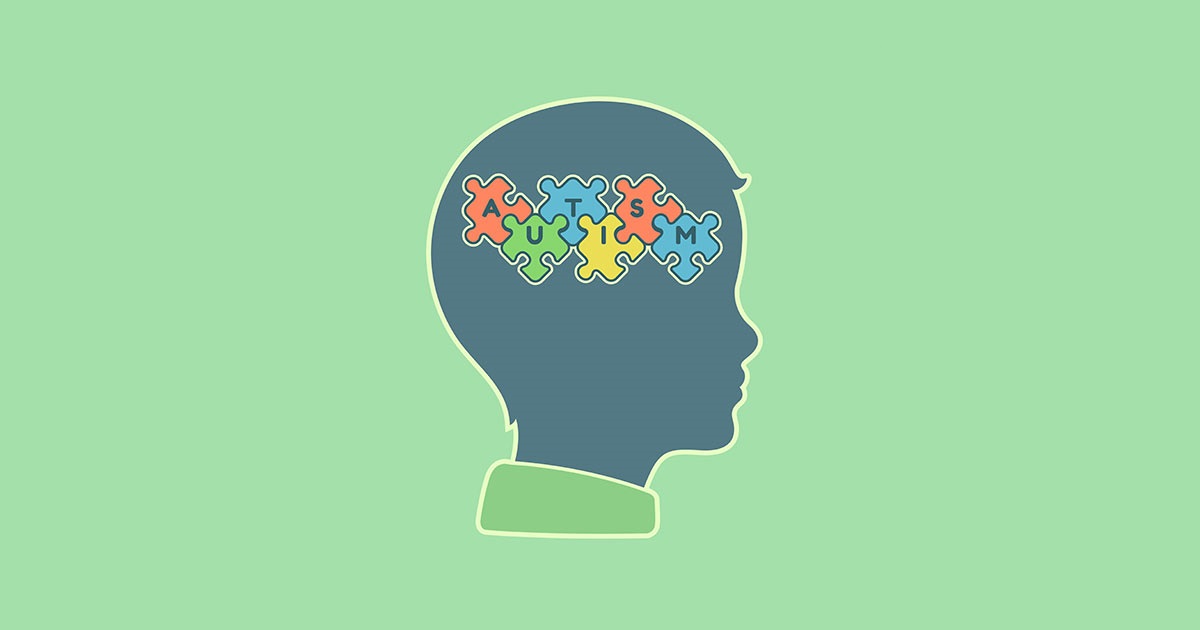


In recent decades, few neurodevelopmental conditions have sparked as much debate, research, and speculation as Autism Spectrum Disorder (ASD). As the number of diagnoses climbs globally, society finds itself at a crossroads between scientific evidence and cultural romanticism. While some view the unique cognitive patterns of autism as a “gift from God” or a sign of being “chosen,” the biological reality remains rooted in complex physiological and neurological deviations.
Biological Blueprint of Autism
Science has moved far beyond the debunked theories of the mid-20th century. We now know that autism is not caused by “cold parenting” or external emotional trauma, but is a fundamental difference in how the brain is wired during early development.
Neurological and Genetic Foundations
At its core, autism is characterized by atypical neural connectivity. Brain imaging studies often show “local over-connectivity” but “long-range under-connectivity.” This means that while certain areas of the brain—such as those responsible for rote memory or visual processing—may be hyper-connected and exceptionally efficient, the pathways that link different regions together (facilitating social cues and complex emotional processing) are often weaker.
Genetics play a massive role, with hundreds of genes identified that contribute to the risk of ASD. These genes often govern synaptic pruning—the process by which the brain “cleans up” unnecessary neural connections during childhood. In autistic brains, this pruning process is often impaired, leading to a sensory “noise” that can be overwhelming for the individual.
Rise of the Spectrum Statistical Trends
The trend of increasing autism cases is undeniable. The expansion of diagnostic criteria and increased public awareness have contributed to a sharp rise in recorded cases over the last two decades.
| Year of Report | Prevalence Rate (1 in X children) | Percentage of Population |
| 2000 | 1 in 150 | 0.67% |
| 2004 | 1 in 125 | 0.80% |
| 2008 | 1 in 88 | 1.10% |
| 2012 | 1 in 68 | 1.47% |
| 2016 | 1 in 54 | 1.85% |
| 2020 | 1 in 36 | 2.77% |
| 2024 (Est.) | 1 in 32 | 3.12% |
Factors Driving the Increase
Researchers point to several factors beyond improved detection. Environmental triggers, such as advanced parental age and prenatal exposure to certain chemicals, are being studied. However, the most significant driver remains the “broadening of the net”—what was once labeled as “eccentricity” or “learning disabilities” is now identified under the broad umbrella of the spectrum.
Myth of Divine Election vs Physiological Reality
In various cultures and religious circles, autism is sometimes framed as a “spiritual gift” or a sign of “divine election.” Proponents of this view point to “savants”—individuals like Stephen Wiltshire, who can draw a city from memory after one helicopter ride, or historical “chosen” archetypes who possessed obsessive focus and perceived the world in patterns others missed.
The Dangers of Romanticizing a Disorder
While this perspective offers comfort and reduces stigma, it can be dangerous when it ignores the physiological burden. Autism is often accompanied by severe comorbidities, including gastrointestinal issues, sleep disturbances, and epilepsy. To label it strictly as a “gift” risks trivializing the genuine physical suffering and the intensive support required for those on the more severe end of the spectrum. It is not a mystical blessing, but a disruption of neural homeostasis at a cellular level.
Problem of Misdiagnosis
As autism becomes a “trending” diagnosis in modern psychology, many experts warn that the label is being applied too loosely. A significant percentage of autism diagnoses—some estimates suggest up to 15-20% in certain clinical settings—may be “false positives.”
Conditions Frequently Mistaken for Autism
Several conditions can mimic the symptoms of ASD, leading to incorrect treatment paths:
- ADHD and Sensory Processing Disorder: These often overlap but require entirely different behavioral interventions.
- Social Anxiety and Trauma: Children who have experienced early-life stress or isolation may withdraw socially, appearing “autistic” to an untrained eye.
- Giftedness: Highly gifted children often exhibit “asynchronous development,” where their intellectual ability far outpaces their social skills, leading to a mistaken ASD diagnosis.
Understanding that autism is a physiological disruption—rather than a mystical or purely social construct—is the key to providing the right medical support and ensuring that every child receives an accurate, life-improving diagnosis.