

In the early 2020s, artificial intelligence was largely viewed as an advanced writing assistant—a sophisticated engine for drafting emails, summarizing documents, and generating creative text. Fast forward to 2026, and the narrative has shifted fundamentally. AI has graduated from being a passive tool to an active “co-scientist,” driving breakthroughs in life sciences that were previously considered impossible or decades away.
Today, AI is not just accelerating research; it is fundamentally altering the scientific method by operating as a partner in hypothesis generation and complex validation.
AI-Native Drug Discovery: The In Silico Revolution
The era of trial-and-error chemistry is drawing to a close. In 2026, the discovery of new therapeutic candidates has moved from the physical lab bench to the virtual domain. The majority of new drug candidates now begin their journey in silico—through massive, high-fidelity computer modeling.
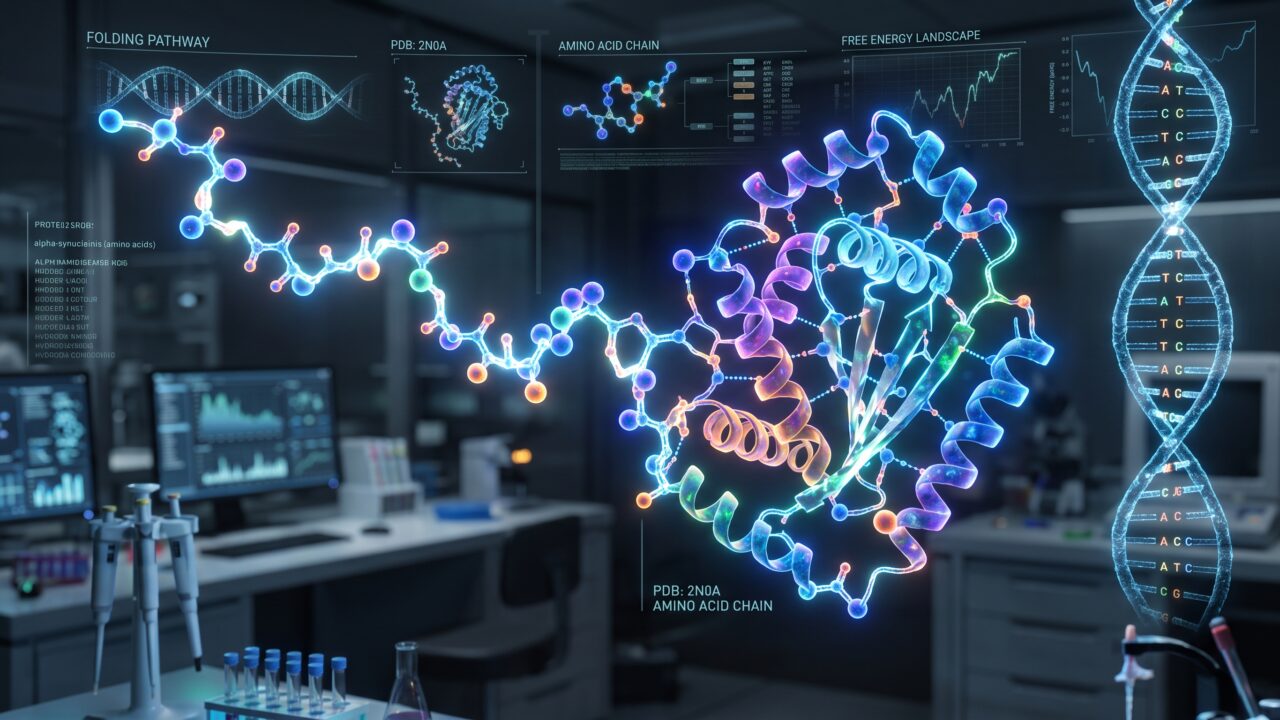
Modern AI systems have evolved far beyond basic molecular screening. They no longer merely identify potentially effective molecules; they possess the predictive power to model how these candidates will interact with the human proteome in real-time. By simulating these complex biological interactions with granular precision, researchers can identify potential toxicities, off-target effects, and metabolic pathways long before a single physical sample is synthesized. This shift has compressed drug development timelines from years to months, significantly increasing the probability of clinical success.
Digital Twins: Personalizing Oncology at Scale
Perhaps the most profound change in clinical practice is the widespread adoption of “Digital Twins” in oncology. Leading cancer centers across the United States have moved beyond “standard of care” protocols toward a model of hyper-personalized medicine.
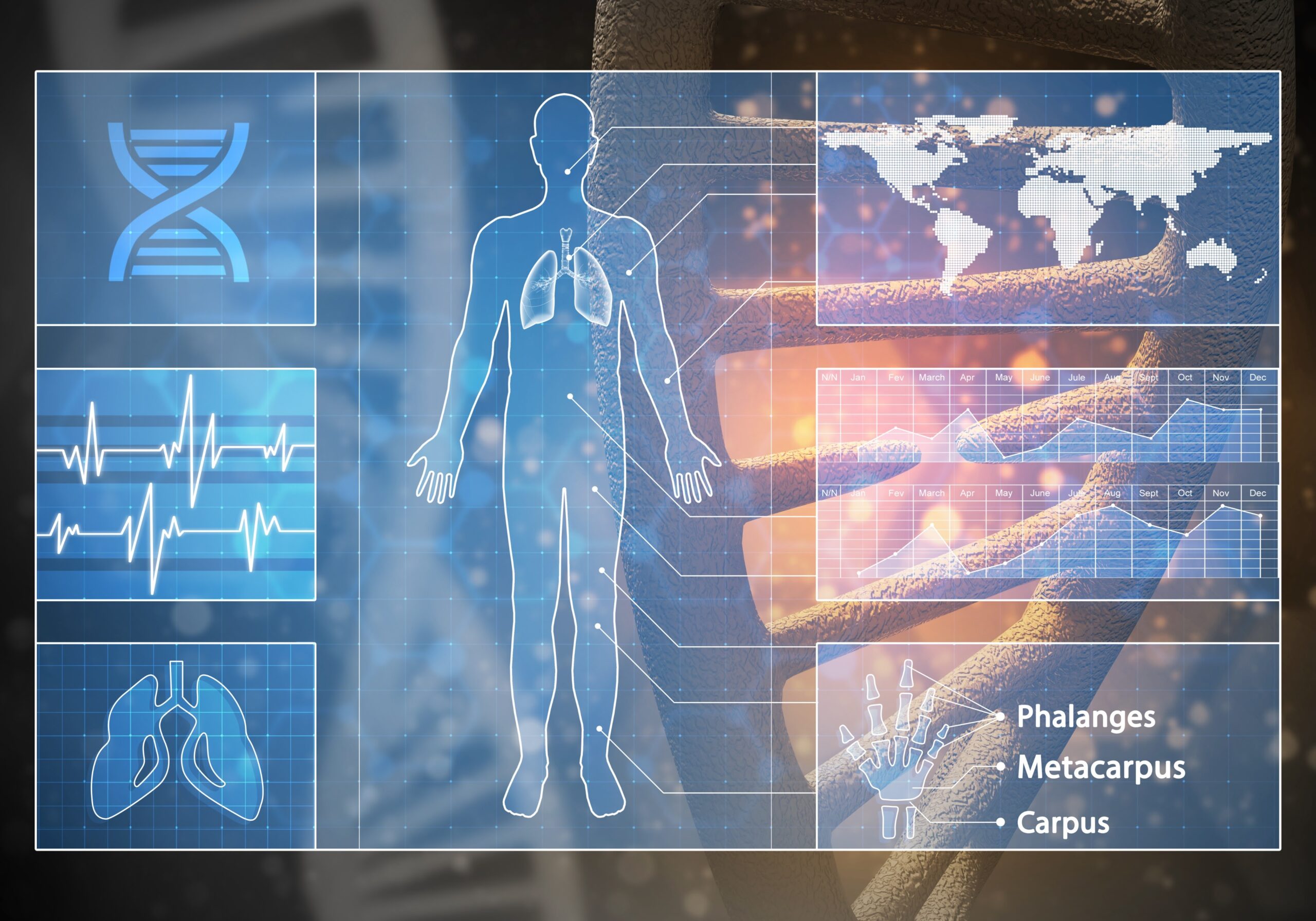
Before a patient undergoes a grueling chemotherapy regimen, clinicians now create a virtual, multi-scale model of the patient’s specific organs and tumor microenvironment. These digital twins serve as a sandbox for oncologists, allowing them to:
- Test therapeutic efficacy: Simulate how a specific drug cocktail will impact the patient’s tumor versus healthy tissue.
- Predict side effects: Anticipate individual patient reactions to toxicity, allowing for proactive dose adjustments.
- Optimize delivery: Determine the precise timing and sequence of treatments to maximize efficacy while minimizing systemic strain.
The New Paradigm of Scientific Partnership
This transition marks a departure from AI as a reactive tool to AI as a collaborative partner. In these fields, the AI does not simply follow instructions—it identifies patterns across multidimensional datasets that the human mind cannot process alone.
As we look toward the remainder of 2026 and beyond, the role of the human scientist is evolving. Our value is no longer in the manual labor of data aggregation, but in setting the parameters for discovery, ethical oversight, and interpreting the complex outputs generated by our silicon counterparts. We are no longer using AI to just “write” our research; we are using it to solve the fundamental mysteries of human biology.