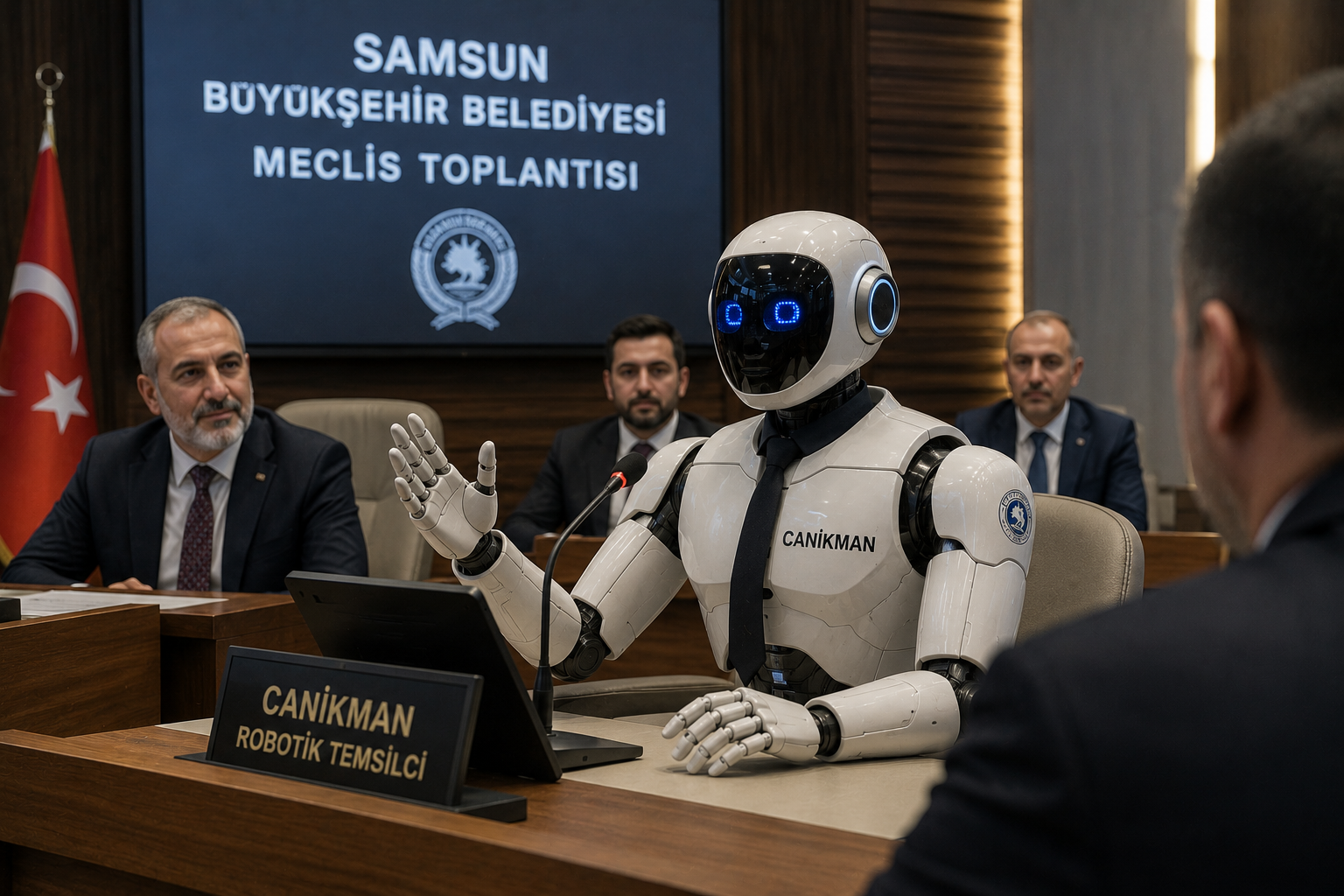




History was made recently in the Turkish city of Samsun, where a humanoid robot attended a municipal council meeting, not as a decorative display, but as an active participant. Developed to interact with officials and monitor discussions, the robot marks a significant milestone in the integration of Artificial Intelligence into the legislative and educational spheres.
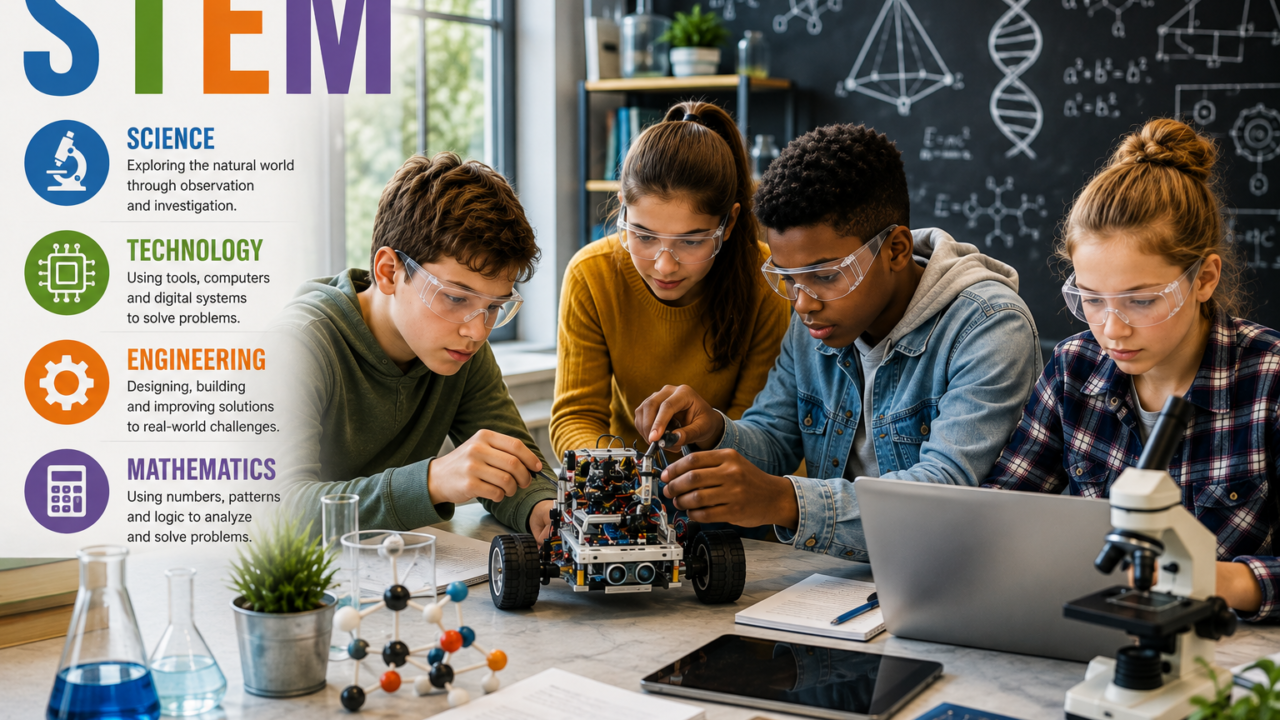
The Mayor of Samsun, İbrahim Sandıkçı, noted that the humanoid, named CANIKMAN, engaged directly with council members, answering questions and tracking the session’s progress. Beyond the council chamber, CANIKMAN is already a fixture at the Canik Özdemir Bayraktar Discovery Campus, where it assists in providing free STEM (Science, Technology, Engineering, and Mathematics) education to children.
The Classroom of the Future: Automation or Alienation?
The presence of CANIKMAN in schools raises a provocative question: Is this the future we truly envisioned? As robotic systems become more sophisticated, the possibility of robots serving as primary educators is moving from science fiction to a looming reality.
Education is fundamentally a human endeavor. It relies on empathy, nuanced facial expressions, and the cultivation of human virtues—qualities that a machine, no matter how advanced its algorithm, cannot authentically replicate. The formation of a child’s character and worldview is often shaped by the subtle emotional cues of a human teacher. If we replace the warmth of a mentor with the cold precision of a processor, we risk losing the most vital factor in the educational process: the human connection.
Current Applications of Robotics in Western Education
Robotic systems are no longer a novelty; they are already integrated into various educational frameworks across the United States and Europe. The following table highlights where these technologies are currently being deployed.
| Region | Robot/System Name | Primary Function | Context |
| USA | Moxie | Social-emotional learning | Helping children with neurodiversity practice communication. |
| USA | VGo / Double | Telepresence | Allowing homebound or ill children to “attend” class via a mobile robot. |
| EU (France) | Nao | STEM and Coding | Teaching programming logic and interactive storytelling. |
| EU (UK) | Kaspar | Autism support | Acting as a predictable social partner for children on the spectrum. |
| USA | Dash & Dot | Logic and Problem Solving | Early childhood introduction to robotics and sequencing. |
The Thin Line Between Automation and Dependency
The integration of robots like CANIKMAN suggests a world where administrative and educational tasks are handled with inhuman efficiency. However, we must be wary of becoming hostages to our own creations. The “inevitable” march of automation brings with it the danger of a profound dependency.
Where is the boundary? Automation is a tool intended to liberate humans from mundane tasks, not to replace the architects of human morality and emotion. If we allow robots to take over the role of “teacher,” we are not just automating a job; we are outsourcing the development of the next generation’s soul.
We must define the limit of technology’s reach. A robot can teach a child how to code or solve a quadratic equation, but it can never teach a child the meaning of courage, the depth of compassion, or the complexity of human virtue. To cross that line is to trade our humanity for a more efficient, but ultimately hollow, existence.
Does the increased efficiency of a robot-led classroom justify the loss of human mentorship, or is the “human factor” an irreplaceable component of learning?