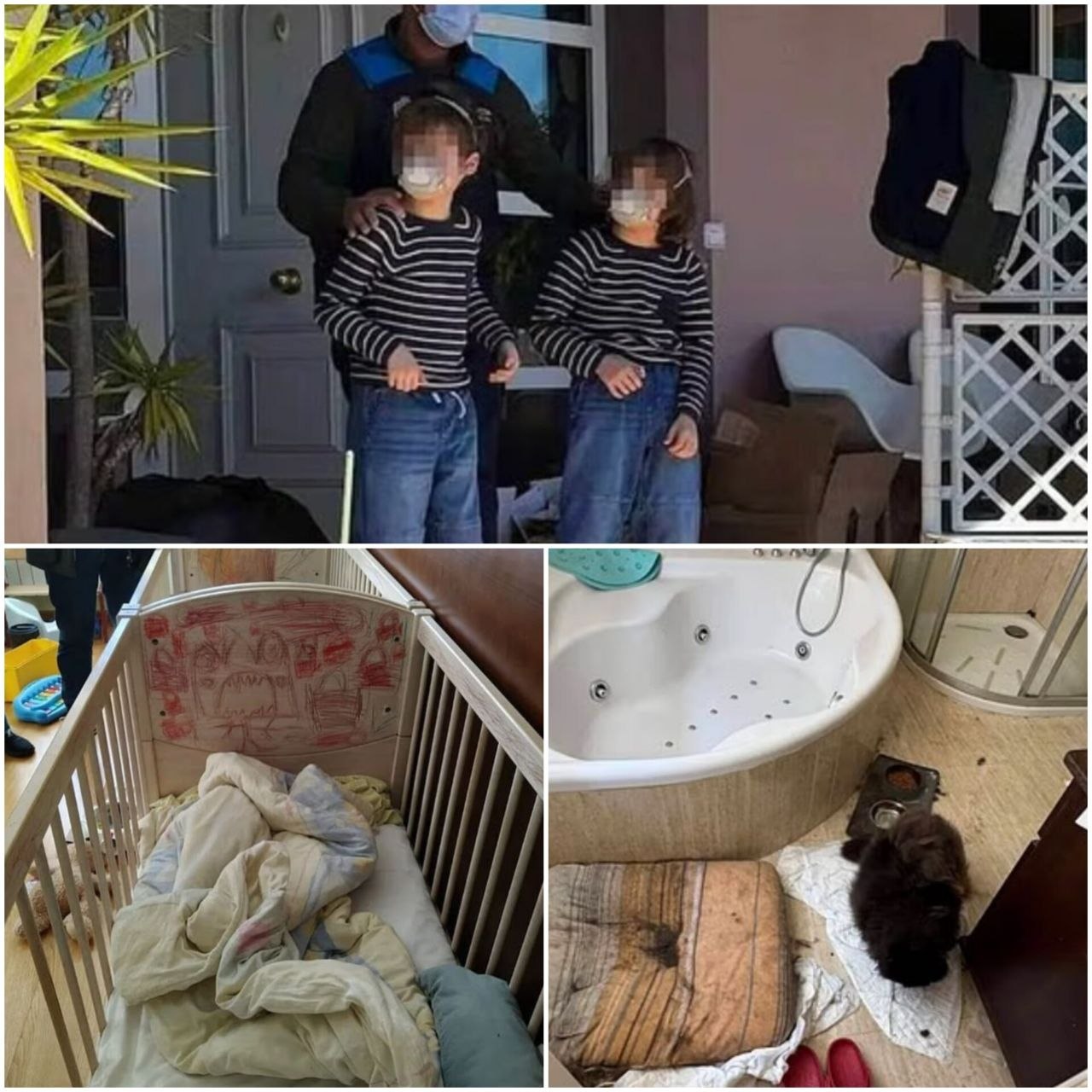




A chilling court ruling in Spain has recently exposed a dark legacy of the pandemic era: the “lost children” of the lockdowns. A couple has been sentenced to two years and ten months in prison after keeping their three children—a 10-year-old and 8-year-old twins—locked inside their home for over three years due to an extreme, pathological fear of COVID-19.
The children were only discovered in 2025 after vigilant neighbors noticed they had not been seen outdoors or at school since the early stages of the pandemic. Upon their rescue, social services reported significant health issues and developmental delays, the tragic result of years of isolation and neglect. Beyond the sentencing, this case raises uncomfortable questions about the systemic gaps in European social and educational safety nets.
The School Attendance Gap: How 1,000 Days Went Unnoticed
The most glaring question is how three children could disappear from the educational system for three years without triggering an immediate state intervention. In many European regions, including parts of Spain, the transition to “digital schooling” during the pandemic created a fog that allowed vulnerable children to slip through the cracks.
While schools have attendance registers, the administrative burden on teachers often results in a “reactive” rather than “proactive” approach. If a parent claims a child is being homeschooled or is “ill,” the follow-up process can be slow and bureaucratic. The lack of a centralized, real-time tracking system across Europe means that if a child is moved or simply stops logging in, it can take months—or in this case, years—for different government agencies to communicate the red flags.
The Myth of the European Social Safety Net
Europe often prides itself on robust social services, yet the Spanish case demonstrates that these services are often entirely dependent on external reports. Social services typically work on a “referral” basis; they rarely perform proactive door-to-door checks unless a specific complaint is lodged by a school, a doctor, or a neighbor.
If a family isolates themselves completely, avoiding medical appointments and public spaces, they effectively become invisible to the state. The reliance on neighbors in this instance is a terrifying indictment of the system. If those neighbors had been less observant or lived in a more isolated area, these children might still be trapped today, or worse.
The Digital Invisible: Why There Is No Real-Time Tracking
In 2026, we live in a world of advanced data, yet a unified European mechanism for tracking child welfare and school attendance remains non-existent. Several factors contribute to this:
- Privacy Laws (GDPR): Strict data protection regulations often prevent the seamless sharing of “sensitive” information between schools, police, and social services.
- Decentralization: Education is often managed at the regional or municipal level, leading to a patchwork of data that does not “speak” to national databases.
- Administrative Overload: Social workers are often managed by case volume, meaning they only focus on the most high-profile “open” cases, leaving little room for investigating the “quietly” absent.
When Silence is a Death Sentence
The Spanish court has prohibited the parents from contacting their children and ordered compensation, but the psychological scars of three years in a “Covid prison” will last a lifetime. This case serves as a grim reminder that our current systems are designed for a world where people are visible.
If we do not develop active, data-driven mechanisms to track the welfare of every child—regardless of parental “fear” or claims of homeschooling—we are effectively leaving the most vulnerable members of society to the mercy of luck and the observational skills of their neighbors. The state must be more than a reactive force; it must be a proactive guardian, ensuring that no child is ever allowed to become a ghost in their own home again.