
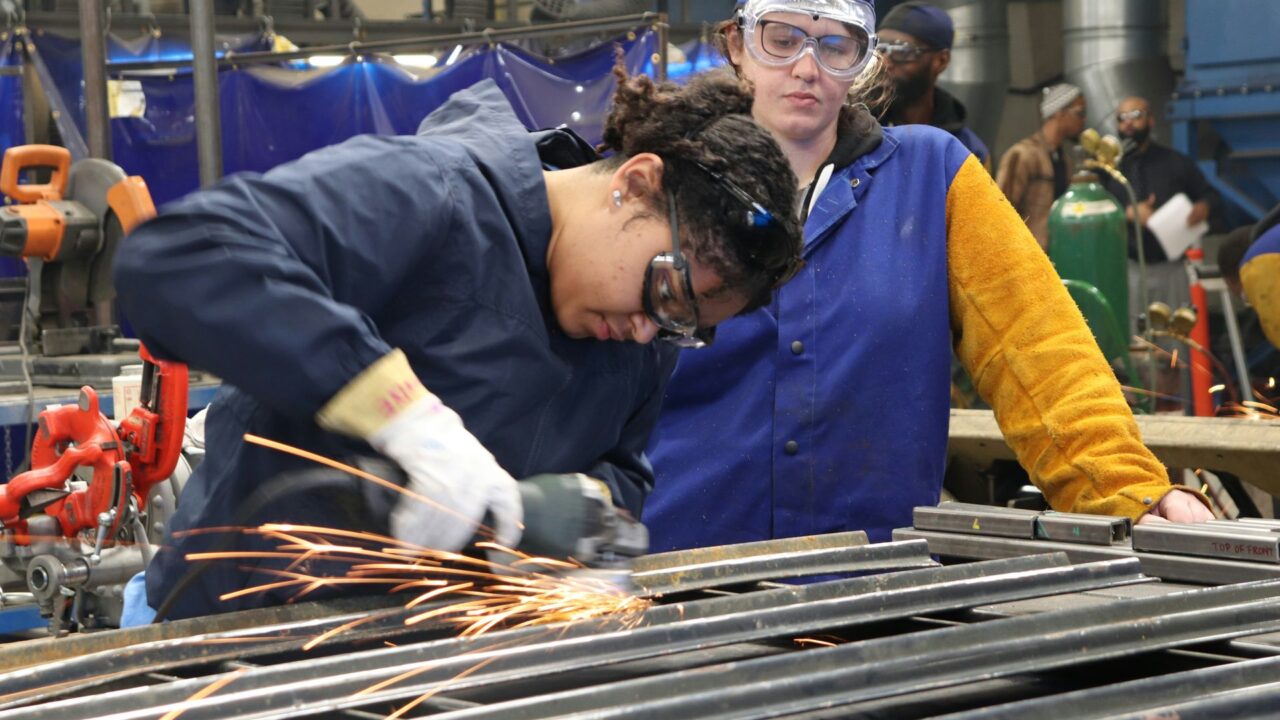
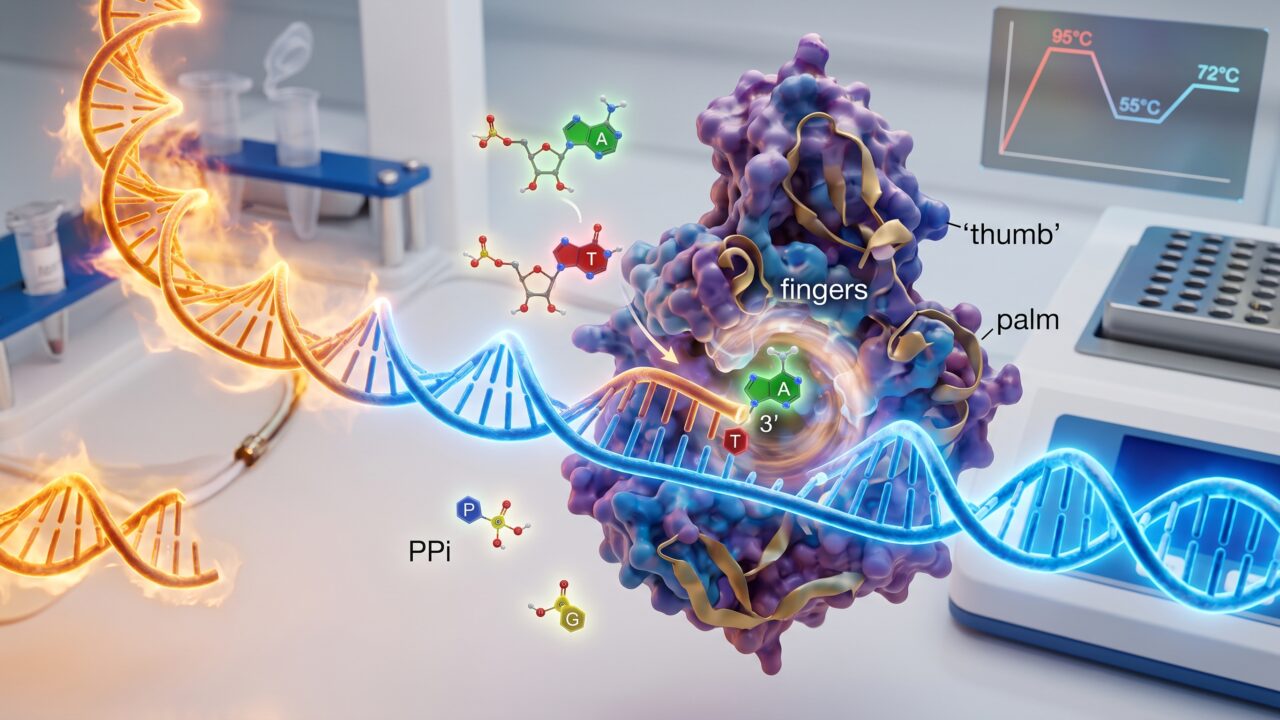


In today’s globalized economy, the boundary between the university laboratory and the corporate boardroom is becoming increasingly porous. Seeking to close the gap with the US and China in terms of technology commercialization, the European Union is leaning heavily into the Industrial PhD model. This is a strategic symbiosis where business invests in intellect, and science delivers a real-world market product.
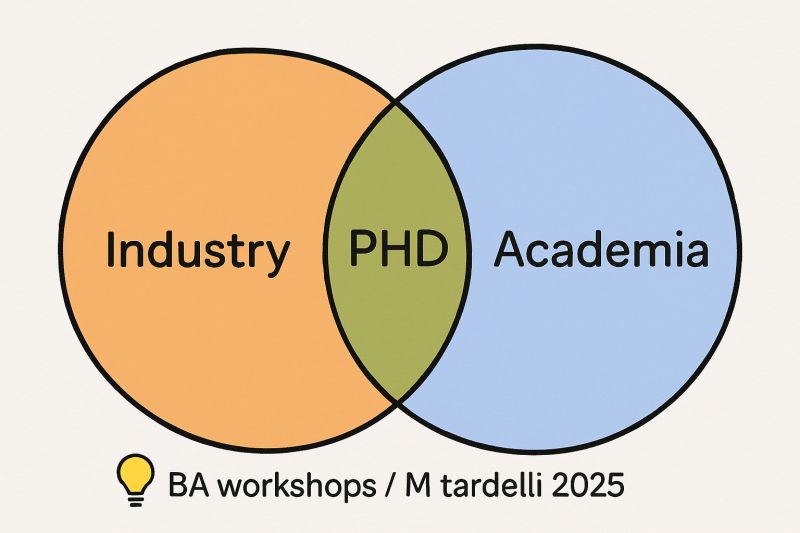
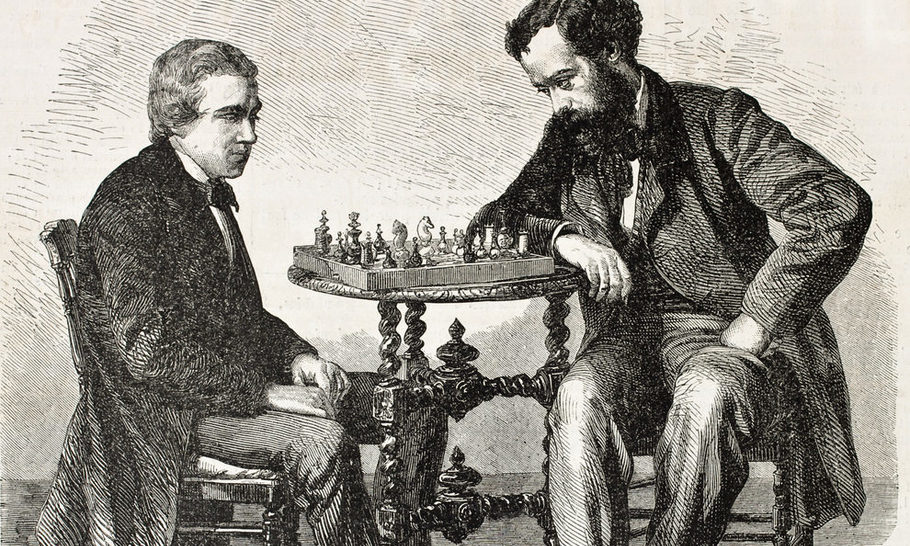
The Mechanics of the Deal Education for Intellectual Property
The core of the model is simple yet profoundly effective: a corporation or a high-tech startup fully funds a doctoral student’s education, provides access to its proprietary manufacturing facilities, and pays a competitive salary. In exchange, the young researcher focuses their dissertation on solving a specific technical or fundamental challenge faced by that business.
The primary condition of such cooperation is typically the transfer of Intellectual Property (IP) rights. Any patents, prototypes, or algorithms developed during the term of study become the property of the sponsoring company. For the young scientist, this is the price of admission to “premier league” resources; for the business, it is a guarantee of market exclusivity.
A Mutualistic Relationship Why Both Sides Win
This interaction is a classic example of biological mutualism, where each party gains a critical resource necessary for growth:
For the Young Scientist
- Financial Independence The researcher receives a professional salary instead of a modest government stipend.
- Infrastructure Access The opportunity to work with high-end equipment that universities often cannot afford.
- Career Fast-Track Being integrated into corporate culture from day one virtually guarantees a high-level position upon graduation.
For the Business
- R&D Outsourcing The company gains a highly qualified researcher who spends 3–4 years deeply investigating their specific problem.
- Innovation Breakthroughs Doctoral research allows for the creation of products that cannot be developed through standard engineering approaches.
- Reduced Time-to-Market Acquiring a ready-made patent along with a specialist who understands every nuance of the technology significantly shortens the product launch cycle.
The European Experience From Denmark to Horizon Europe
Denmark was a pioneer in this field with its “Erhvervs-PhD” program, where the state co-finances part of the company’s costs for the student. Similar models exist in France (CIFRE) and Germany. At the EU level, this approach is institutionalized through the Marie Skłodowska-Curie Actions (MSCA), which support doctoral networks involving non-academic partners.
“An Industrial PhD is not just a way to get a degree; it is a way to teach a scientist to think in terms of market viability and the social impact of their discovery,” experts from the European University Association note.
Ethical Boundaries and Academic Freedom
Of course, this model sparks debate regarding the “purity” of science. Critics worry that business interests might limit academic freedom or prohibit the publication of results to protect trade secrets.
To maintain balance, European universities typically sign tripartite agreements. These ensure the student’s right to defend their thesis and publish the general scientific principles of their research, while leaving specific technical implementation details as the company’s proprietary data.
The Future of the Research Ecosystem
The interaction between science and business through funded education is an investment in “brains” that pays off tenfold. It makes a scientific career attractive to young people who no longer have to choose between a modest academic life and a successful corporate career. Through this model, Europe is securing its technological sovereignty, turning university halls into true incubators for the future.