


An investigation into the systemic nature of predatory behavior in schools and religious institutions, its impact on the learning environment, and the controversial debate over radical deterrence.
The Crisis of Professional Boundaries and Sexual Harassment in Education
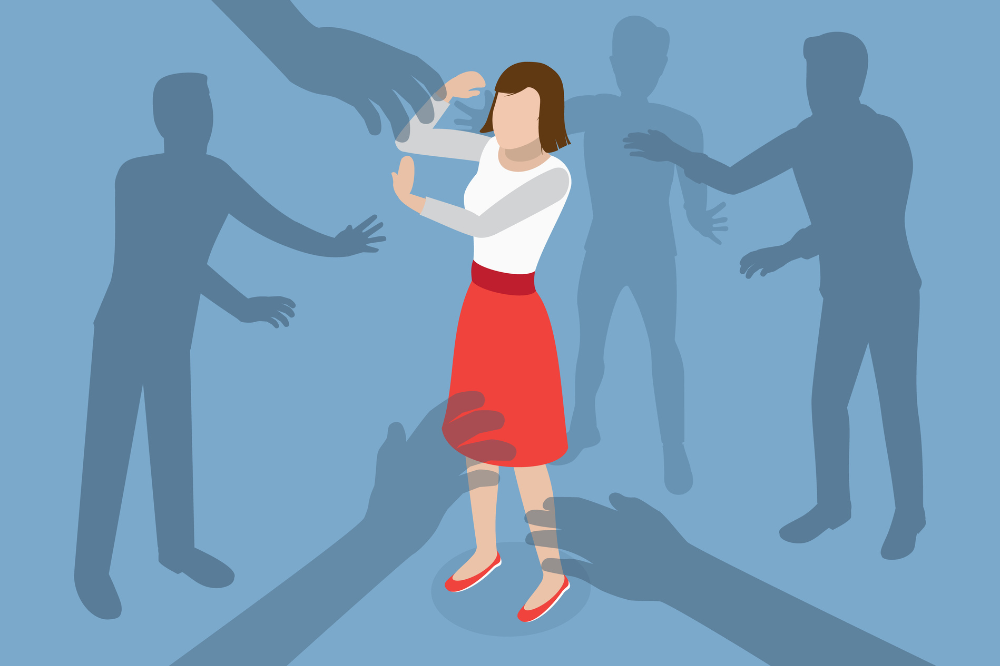
Education is founded on a sacred trust between mentor and student. However, when this power dynamic is exploited, the resulting trauma ripples far beyond the individual, destabilizing the entire academic ecosystem. The prevalence of predatory behavior in secular schools and religious institutions alike has sparked a global conversation about the failure of current regulatory systems and the necessity for more drastic measures to protect the vulnerable.
The Erosion of the Educational Process
Sexual harassment by educators is not merely a personal grievance; it is a structural poison that destroys the pedagogical bond. When a teacher targets a student, the classroom ceases to be a safe space for intellectual growth.
- Academic Regression Victims often experience a sharp decline in grades, chronic absenteeism, and a total loss of interest in the subject matter associated with the predator.
- The Hush Culture Many educational institutions prioritize their reputation over student safety. In numerous cases across high schools and universities, predators were simply “shuffled” to different departments or schools rather than being prosecuted, allowing the cycle of abuse to continue.
- Psychological Sabotage Beyond the immediate trauma, such abuse instills a deep-seated distrust of authority figures, which can hinder a student’s professional and personal development for decades.
Parallels with Catholic Educational Institutions
The history of abuse in Catholic schools provides a somber case study in how institutional hierarchy can facilitate systemic exploitation. The parallels between secular predatory behavior and religious institutional abuse are striking in their execution.
Institutional Protectionism and the Seal of Silence
In many Catholic boarding schools across Ireland, Canada, and the United States, the authority of the clergy was historically used to shield predators. High-profile scandals revealed that abuse was often documented internally but hidden from secular law enforcement to avoid “scandal.” The belief that the institution’s mission superseded civilian law created a vacuum where students were left entirely unprotected.
The Abuse of Spiritual Authority
Just as a professor might use academic grades as a tool of coercion, predatory clergy used spiritual standing as a weapon. Investigations show that victims were often told that reporting the abuse was a betrayal of the faith itself. This dual layer of authority—both academic and spiritual—makes the trauma of religious educational abuse uniquely difficult to overcome.
Why Current Regulations Struggle to Protect Students
Despite the implementation of modern safeguarding protocols, several factors make this issue incredibly difficult to regulate effectively.
- The Power Asymmetry Students often fear that reporting a tenured professor or a high-ranking administrator will end their careers before they even begin.
- Subjectivity of Evidence Much of the harassment occurs in private “office hours” or via encrypted digital communication, making it difficult for review boards to reach a definitive conclusion without physical evidence.
- Institutional Liability Schools are often incentivized to settle quietly to avoid massive lawsuits, which prevents a public record of the predator’s history from following them to their next job.
The Case for Chemical Castration in Education
As traditional legal systems struggle to curb recidivism among academic predators, some advocates have proposed the implementation of chemical castration—the use of hormonal drugs to reduce libido—as a mandatory condition for those convicted of predatory behavior in educational settings.
Implementation as a Preventive Measure
The argument for chemical castration is based on the high rate of recidivism among offenders who specifically target children or young adults in positions of trust. Proponents argue that for those who have violated the sanctity of the classroom, the right to physical liberty should be contingent upon the medical suppression of the drives that fueled their crimes.
Legal and Ethical Challenges
Implementing such a policy in the educational sector would require a significant legislative overhaul.
- Human Rights Concerns Opponents argue that forced medical procedures violate bodily autonomy and the prohibition against “cruel and unusual punishment.”
- The Slippery Slope Critics worry that mandating biological controls for one class of professionals could lead to broader state-mandated medical interventions for other types of social non-conformity.
Restoring the Sanctity of the Classroom
The prevalence of harassment in secular and religious schools is a testament to a failed system of oversight. While the debate over radical measures like chemical castration continues, the immediate priority must be the dismantling of the culture of silence that protects predators. Education cannot thrive where fear exists; only by prioritizing student safety over institutional prestige can we begin to repair the broken trust at the heart of our learning institutions.