


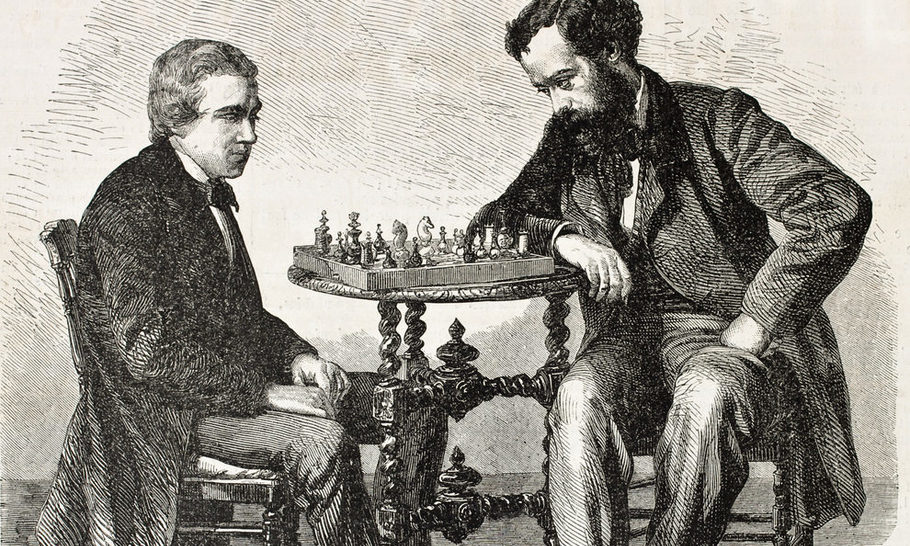


The history of banking is as old as civilization itself. What began as simple grain loans in ancient Mesopotamia has transformed into a high-speed, digital financial system that powers the global economy. The journey from “tax collectors” (publicans) and street-side money changers to modern banking institutions is a story of trust, innovation, and the fundamental human need for credit.
The Foundations of the Ancient World
Long before the invention of coins, banking existed in the form of agricultural credit. In ancient Babylon, around 2000 BCE, temples served as the first safe-deposit boxes. Because temples were considered sacred and well-guarded, merchants and farmers would deposit their grain and livestock there for safekeeping.
By the time of Ancient Greece and Rome, banking moved from temples to the marketplace. Private entrepreneurs, known as trapezitai in Greece, set up tables in the squares to change currencies and provide loans. In Rome, the state regulated these activities through a class of professionals known as argentarii. These early bankers were often synonymous with tax collectors or “publicans,” as they managed the flow of state revenue and private wealth, though their reputations were frequently marred by accusations of usury.
The Medieval Renaissance and the Birth of the “Banco”
Following the collapse of the Roman Empire, formal banking largely disappeared in Europe, suppressed by religious bans on charging interest. However, the Crusades and the rise of international trade necessitated a new system.
The modern term “bank” derives from the Italian word banco, meaning a bench or counter. In the 14th century, Italian merchants in Florence, Venice, and Genoa would set up benches in the market to conduct financial transactions.
The Medici Revolution
The Medici family of Florence fundamentally changed the landscape. They developed the “double-entry bookkeeping” system, which allowed for better tracking of debts and assets. More importantly, they created “bills of exchange,” a precursor to the modern check. A merchant could deposit money in one city and receive a document allowing him to withdraw it in another, eliminating the need to carry heavy, dangerous chests of gold across bandit-ridden roads.
The Rise of Central Banking and the Industrial Era
As European nation-states grew more powerful, they required vast amounts of capital to fund wars and colonial expansion. This led to the birth of the central bank. The Bank of England, founded in 1694, was established specifically to manage the government’s debt and issue the nation’s currency.
During the Industrial Revolution, banks shifted their focus from financing monarchs to financing infrastructure. Commercial banks began to sprout up to fund the construction of railroads, factories, and steamships. This era saw the transition from “private” family banks to “joint-stock” banks, where multiple investors pooled their capital to share risks and rewards.
The Modern Transformation: The Digital Frontier
The 20th century brought the most radical changes in banking history. The introduction of the credit card in the 1950s and the first ATM in 1967 began the decoupling of banking from physical locations.
Today, we are witnessing the “de-banking” of the physical world. Traditional institutions are being challenged by:
- FinTech and Neo-banks: Mobile-only institutions that offer lower fees and faster service.
- Cryptocurrency and DeFi: Decentralized finance systems that aim to remove the “middleman” (the banker) entirely by using blockchain technology to verify trust.
Conclusion
The evolution of banking is a mirror of human progress. We have moved from physical commodities like grain and gold to digital bits of information stored in the cloud. Yet, despite all the technological shifts, the core of banking remains exactly what it was in the ancient Babylonian temples: Trust. Whether you are giving your grain to a priest or your data to a digital app, the banking system relies on the collective belief that our value will be there when we need it.