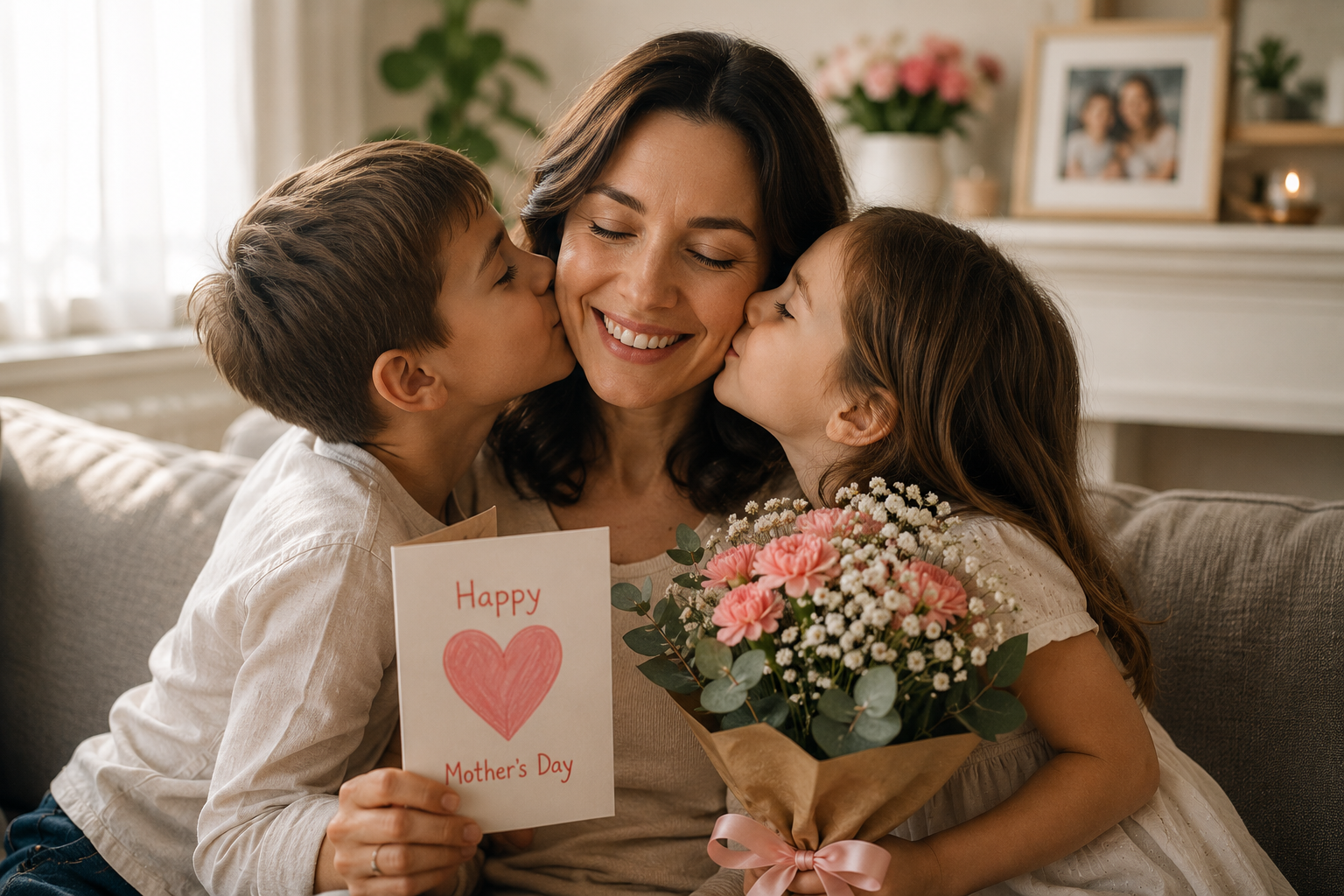


Today, the world pauses to celebrate International Mother’s Day, a day dedicated to honoring the women who shape our lives, our values, and our future. While the modern holiday often involves flowers and brunch, its origins are rooted in a fierce call for peace, social reform, and the recognition of maternal sacrifice.
The Origins of Mother’s Day
The modern iteration of Mother’s Day began in the United States in the early 20th century, primarily through the efforts of Anna Jarvis. Following the death of her own mother, Ann Reeves Jarvis, in 1905, Anna conceived of Mother’s Day as a way of honoring the sacrifices mothers made for their children.
However, the seeds were sown even earlier. Ann Reeves Jarvis had organized “Mothers’ Day Work Clubs” to teach local women how to properly care for their children and improve sanitary conditions. After the American Civil War, she organized “Mothers’ Friendship Day” to promote reconciliation between former Union and Confederate soldiers.
In 1914, President Woodrow Wilson signed a proclamation officially establishing the second Sunday in May as Mother’s Day. Ironically, Anna Jarvis later spent much of her life fighting the commercialization of the holiday, wishing it to remain a day of personal, sentimental connection.
Legendary Mothers and Their Heroic Legacies
Throughout history, many “Heroine Mothers” have redefined the role of motherhood through their contributions to science, human rights, and courage.
Marie Curie: A mother of two who remains the only woman to win two Nobel Prizes. She managed to pioneer research in radioactivity while raising her daughter, Irène Joliot-Curie, who also became a Nobel laureate. Irena Sendler: Known as the “Mother of the Children of the Holocaust,” she risked her life to smuggle approximately 2,500 Jewish children out of the Warsaw Ghetto during WWII, providing them with false identity papers and saving them from certain death. Sojourner Truth: An enslaved mother who escaped to freedom and became a powerful abolitionist. She famously sued for the return of her son, Peter, who had been illegally sold—becoming one of the first Black women to win such a case against a white man.
Prestigious Awards Honoring Maternal Merit
Maternal excellence is often recognized through prestigious international and national awards. These honors are typically given for social impact, bravery, or excellence in balancing motherhood with public service.
| Award | Criteria | Notable Context |
| Mother of the Year (USA) | Recognizes mothers who embody moral values and have made significant community contributions. | Established by American Mothers, Inc. in 1935. |
| Order of Maternal Glory | Historically awarded in various European and Eastern nations to mothers raising large families with high educational standards. | Focuses on maternal labor and upbringing. |
| The International Motherhood Award | Honors women who advocate for the rights and health of mothers and children on a global scale. | Often presented by global NGOs. |
Traditions in the USA and Europe
While the core sentiment remains universal, the ways in which this day is celebrated vary significantly across the Atlantic.
In the United States
Mother’s Day is one of the most significant holidays for the retail and restaurant industries. Common traditions include:
- Breakfast in Bed: A classic gesture where children prepare a meal for their mother.
- Carnations: The official flower of the day. Red or pink carnations represent living mothers, while white carnations honor those who have passed.
- Record-Breaking Communication: It is consistently the busiest day of the year for long-distance phone calls in the U.S.
In Europe
European traditions often blend modern customs with older religious or cultural roots.
- United Kingdom: Historically known as “Mothering Sunday,” it falls on the fourth Sunday of Lent. It originally involved people returning to their “mother church” but has now evolved into the modern gift-giving holiday.
- France: Known as Fête des Mères, it often takes place on the last Sunday of May. Traditionally, mothers are celebrated with family dinners and often presented with a cake shaped like a bouquet.
- Germany: Muttertag became popular in the 1920s. Today, it is marked by the giving of flowers (Blumen) and children creating handmade gifts or poems.
Conclusion
Mother’s Day serves as a reminder that maternal influence is a fundamental bedrock of human development. Whether through quiet domestic guidance or world-changing heroism, the bond between mother and child remains a powerful force in shaping society. In an era of rapid change, the values of empathy and nurturance celebrated today are more vital than ever.