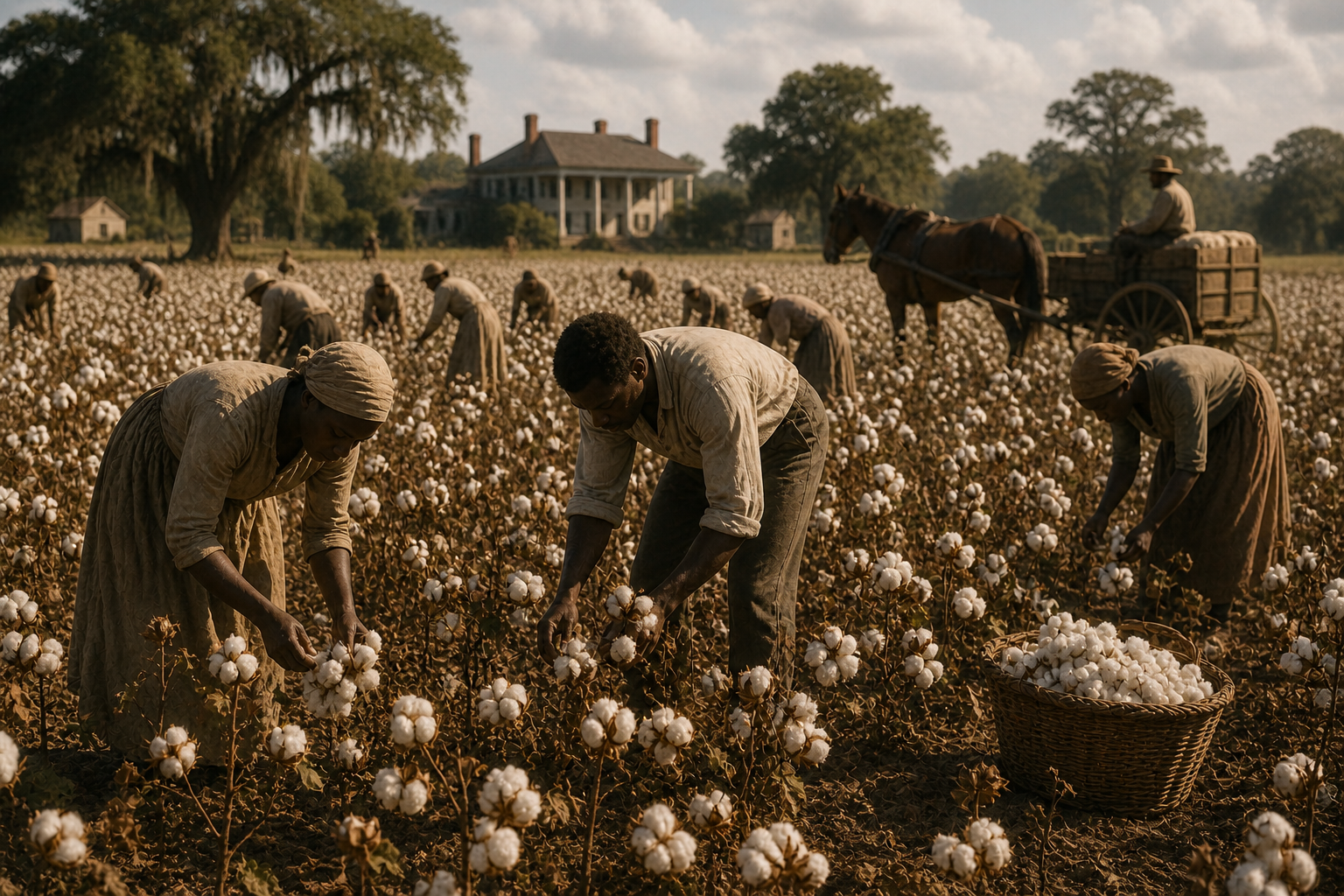




Slavery stands as one of the oldest and most devastating institutions in human history. From the ancient empires of Mesopotamia to the industrial-scale chattel slavery of the Atlantic world, the practice of owning human beings has shaped global economies, ignited catastrophic wars, and left deep psychological scars on the collective consciousness of modern society.
The Origins and Rise of Global Slavery
Slavery did not emerge from a specific race or region but as a byproduct of early agricultural development and the rise of the first centralized states. In ancient Sumer, Egypt, Greece, and Rome, bondage was a consequence of debt, judicial punishment, or warfare. In the Roman Empire, slavery was the engine of the economy, yet it was not “chattel slavery” in the modern sense; it was not based on race, and manumission was a common social practice.
The nature of this institution shifted dramatically in the 15th century. The Portuguese and Spanish began transporting enslaved Africans to work on sugar plantations in the Americas, giving birth to a system where humans were legally defined as property for life, and this status was inherited by their children.
Nations Built on Human Bondage
Certain nations built their entire economic foundations on the exploitation of enslaved labor. The scale of these operations reached their peak during the Atlantic trade.
| Nation/Empire | Estimated Number of Enslaved People | Economic Focus | Abolition Year |
| Roman Empire | 5–10 million (at peak) | Agriculture, Mining, Domestic | ~5th Century (Decline) |
| Brazil (Portuguese) | 4.9 million (Imported) | Sugar, Gold, Coffee | 1888 |
| United States | 4 million (by 1860) | Cotton, Tobacco, Rice | 1865 |
| French Caribbean | 1.1 million (Imported) | Sugar, Indigo | 1794 / 1848 |
The Shift in Consciousness and Historical Reforms
The decline of slavery was driven by a fundamental shift in European and American consciousness during the 18th-century Enlightenment. Philosophers began to argue for natural rights and human liberty, while religious groups like the Quakers branded slavery a moral abomination. This intellectual revolution transformed the public perception of slavery from an economic necessity into a profound sin.
| Historical Reform / Event | Year | Impact on Slavery |
| Haitian Revolution | 1791–1804 | Only successful slave revolt leading to statehood |
| British Slave Trade Act | 1807 | Prohibited the trade of slaves across the British Empire |
| Slavery Abolition Act | 1833 | Formally abolished slavery in most British colonies |
| 13th Amendment (USA) | 1865 | Constitutionally ended slavery after the Civil War |
Continental Impact and the Development Gap
The Transatlantic Slave Trade created a massive wealth transfer that permanently altered the trajectory of three continents.
Impact on Africa
The loss of millions of young, able-bodied people led to demographic collapse and perpetual tribal warfare. States were incentivized to capture their neighbors for trade, weakening social structures and making the continent vulnerable to 19th-century European colonization.
Impact on Europe and the USA
In Europe, the capital accumulated from slave profits provided the “seed money” for the Industrial Revolution. Cities like Liverpool and Amsterdam were built on this wealth. In the United States, slavery allowed the nation to become a global economic superpower in its infancy, yet it created a deep structural divide that eventually led to the deadliest war in American history.
Modern Echoes of the Slave Legacy
In the United States, the echoes of this institution are still visible in the socio-political landscape. The states that formed the former Confederacy continue to struggle with systemic inequalities that were institutionalized through Jim Crow laws and later “redlining” in housing.
| Region / State | Historical Reliance | Modern Indicators of Echoes |
| Mississippi / Alabama | Extremely High (Cotton) | High wealth gap, systemic voting barriers |
| Georgia / South Carolina | High (Rice & Cotton) | Significant racial disparities in incarceration |
| Louisiana | High (Sugar & Trade) | Deep-seated residential segregation patterns |
Conclusion
Understanding slavery is not merely about memorizing dates of abolition; it is about recognizing how modern wealth and modern prejudice were constructed. While the legal institution has ended, the structures it built—economic, social, and psychological—remain part of our current reality. The primary skill for the modern citizen is the ability to recognize where objective history ends and where its inherited biases begin.