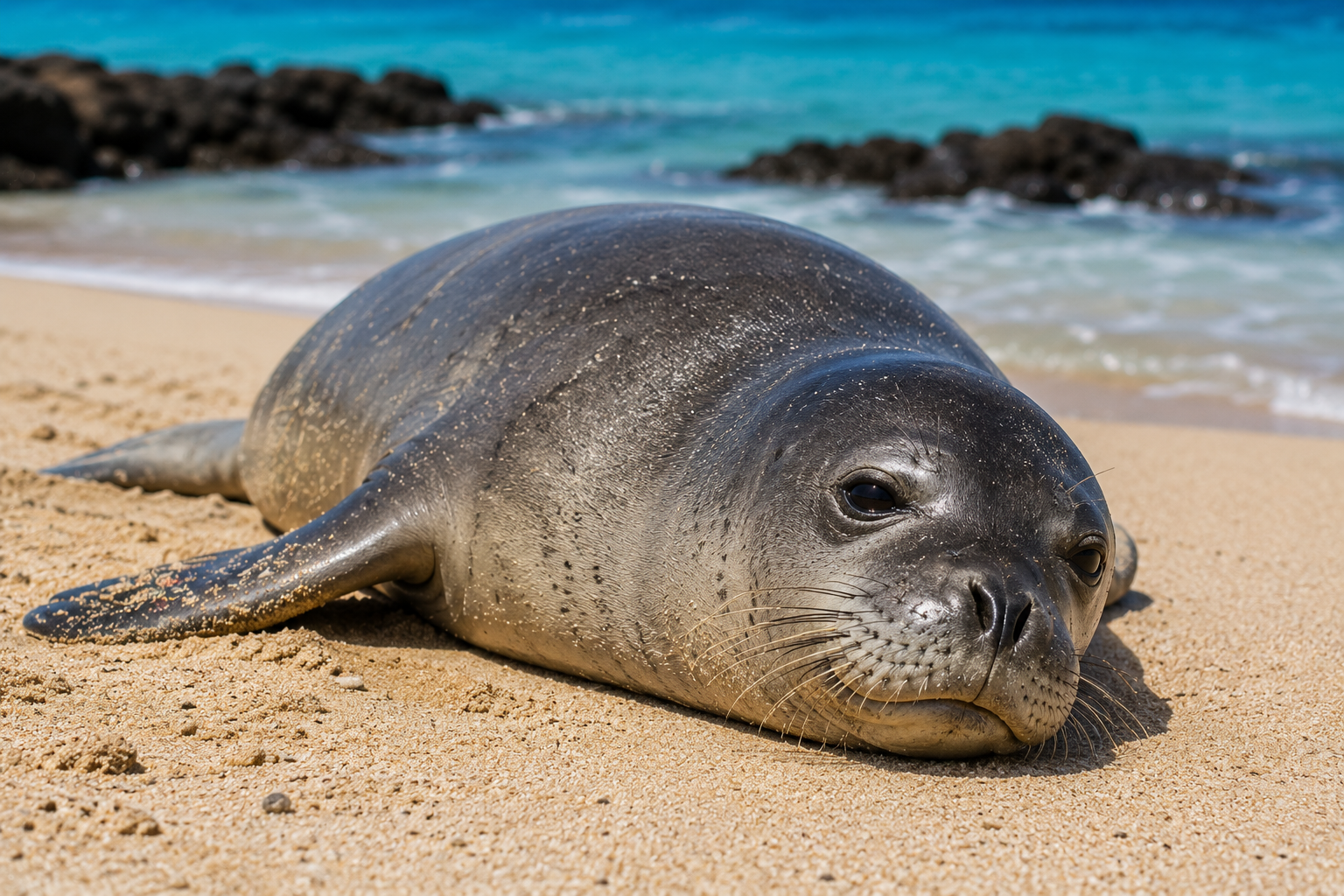





The Incident on the Beach
In a shocking display of entitlement, a wealthy American tourist sparked outrage on a Hawaiian beach after targeting one of the planet’s most endangered species. The man was caught throwing a large rock at a Hawaiian monk seal, an animal so rare that its global population is estimated to be only around 1,500 individuals.
Defiance in the Face of Protection
Witnesses on the scene were horrified by the unprovoked attack. Several beachgoers attempted to intervene, shouting at the man to stop and explaining the protected status of the animal. However, the millionaire reportedly dismissed their pleas with total indifference. According to bystanders, he arrogantly stated that he “did not care” about the animal or the local laws protecting it.
A Lesson in Respect
The story took a dramatic turn when a local activist caught wind of the millionaire’s behavior. Finding the tourist shortly after the incident, the activist decided to skip the formalities of a verbal warning. He engaged the millionaire in a “educational conversation” that quickly turned physical.
The wealthy tourist, who had moments before acted with total impunity toward a defenseless animal, found himself on the receiving end of immediate, hands-on justice. Following the confrontation, the bruised millionaire reportedly fled the island in haste, cutting his vacation short.
Official Recognition for the “Protector”
Under normal circumstances, such an altercation might lead to legal trouble for the activist. However, the authorities in Hawaii took a different stance. Recognizing the severity of the threat to the monk seal and the blatant disrespect shown by the tourist, the government chose not to prosecute the local man.
Instead, the activist was officially honored by local authorities for his dedication to protecting Hawaii’s natural heritage. The message from the islands was clear: while the law usually handles such matters, Hawaii has zero tolerance for those who come to the islands to harm its sacred and vanishing wildlife.
Legal Framework Against Animal Cruelty in the USA and Europe
Federal Protections in the United States
In the U.S., animal cruelty is no longer just a state-level concern; it is a federal crime.
- The PACT Act (2019): The “Preventing Animal Cruelty and Torture Act” makes it a federal felony to engage in “animal crushing” or any form of extreme physical abuse. This law was a major step in allowing federal authorities to step in when abuse occurs on federal property or across state lines.
- The Marine Mammal Protection Act (MMPA): This is the specific law that protects the Hawaiian monk seal. It is illegal to harass, hunt, capture, or kill any marine mammal. Violations can lead to civil penalties of up to $30,000 and criminal fines of up to $100,000, along with imprisonment for up to one year.
- State Felonies: As of 2026, all 50 states have felony animal cruelty laws. For instance, recent 2026 updates in Florida and California have increased mandatory minimum sentences for unprovoked attacks on wildlife.
Animal Welfare Legislation in the European Union
Europe is often cited as having the most progressive animal welfare laws in the world, treating animals as “sentient beings” rather than property.
- European Child Guarantee & Social Codes: While focusing on humans, these codes often link animal welfare to social health, recognizing that violence against animals is a precursor to violence against people.
- The “Fitness Check” Reform (2026): The EU recently modernized its animal welfare legislation, strengthening the EU Seal Trade Ban and increasing penalties for the mistreatment of marine life in territorial waters.
- National Laws (e.g., Italy & UK): In 2026, Italy updated its Criminal Code to redefine “Crimes against animals” as a direct offense against the animal itself, rather than just “human sentiment.” The UK maintains some of the harshest penalties, with a maximum sentence of 5 years in prison for animal cruelty.
Global Statistics and Penalties (2026 Data)
Understanding the scale of the issue is vital to recognizing why the Hawaiian incident caused such a strong reaction.
Animal Abuse Statistics in 2026
Recent reports from 2025 and early 2026 highlight a persistent challenge:
- United States: Approximately 10,000 animal cruelty cases are reported annually to authorities. About 5,000 arrests are made each year specifically for active cruelty or torture.
- Europe: In 2025, the conviction rate for reported cruelty cases in the EU was approximately 25%, a number that activists are working to increase through the mandatory use of body cams by animal welfare officers.
- Reporting Trends: 80% of all animal cruelty convictions in both regions result from reports by neighbors or bystanders, highlighting the importance of community vigilance.
Comparative Penalties and Outcomes
| Punishment Type | United States (Average) | European Union (Average) |
| Max Prison Sentence | 1 to 5 years (Felony) | 2 to 5 years (Varies by country) |
| Typical Fines | $10,000 – $100,000 | €5,000 – €50,000 |
| Conviction Rate | Moderate (Rising with DNA evidence) | Moderate (Rising with EU-wide tracking) |
| Focus Area | Domestic pets and protected wildlife | Farm welfare and marine biodiversity |
Conclusion
The millionaire’s actions in Hawaii were not just a moral failure but a direct violation of international conservation standards. Statistics from 2026 show that while laws are becoming stricter, the role of the public remains the most effective deterrent. The official reward given to the Hawaiian activist serves as a symbolic victory for the global animal protection movement, reinforcing the idea that no amount of wealth provides immunity from the laws of nature and society.