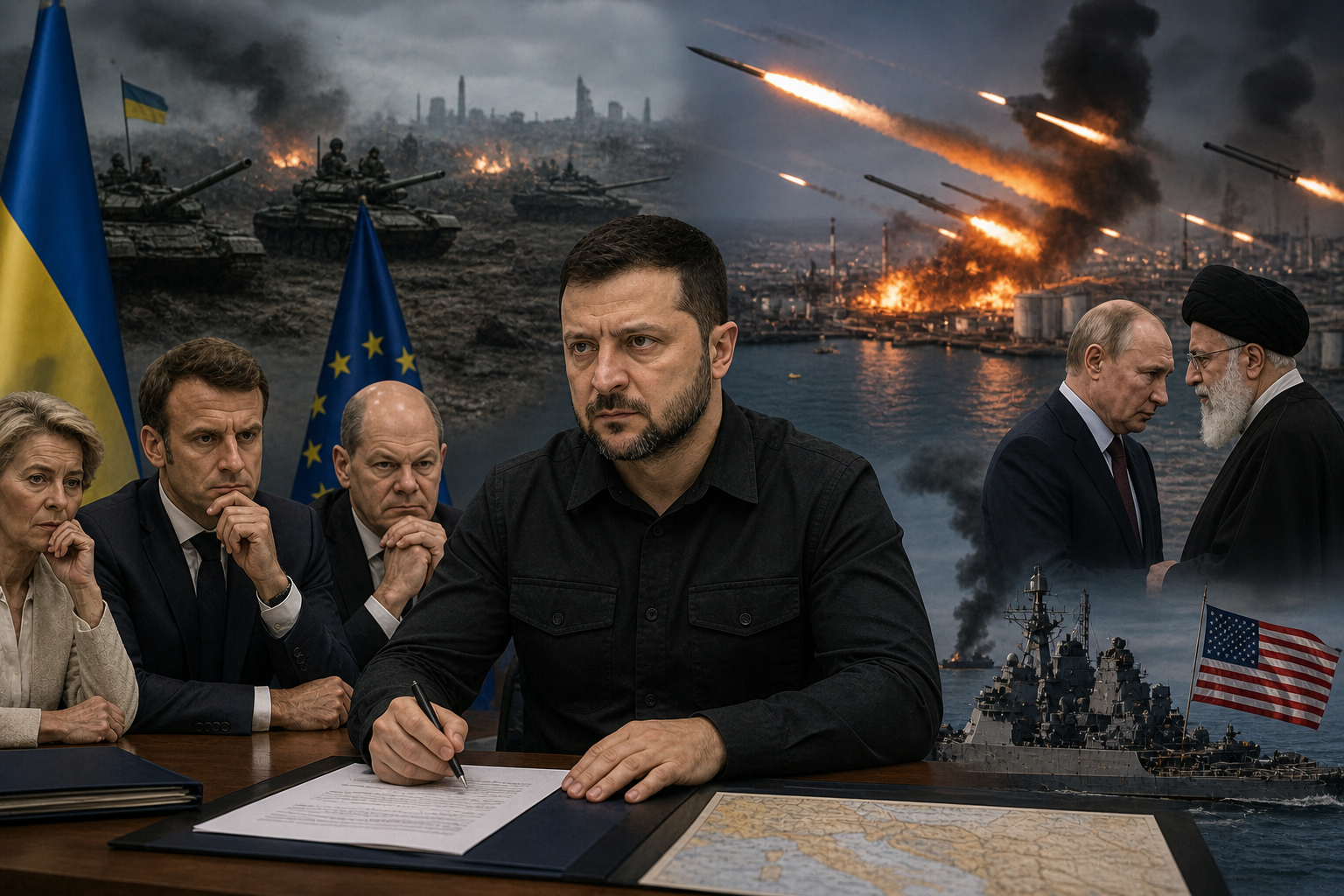





For the first time since the full-scale invasion began, the diplomatic landscape has undergone a seismic shift. President Volodymyr Zelenskyy has introduced a new framework for a ceasefire regime, characterized by strict deadlines and uncompromising conditions. This move is not merely a proposal; it is a strategic counter-response to Russia’s long-standing rhetoric. The core message is clear: Ukraine is no longer playing by rules imposed from the outside.
The End of Asymmetric Diplomacy
For years, the international community has watched a cycle of vague Russian “peace proposals” that served more as stalling tactics than genuine efforts for peace. Zelenskyy’s latest presentation disrupts this pattern by placing the burden of choice entirely on Moscow. The logic is straightforward: if Russia rejects these specific, time-bound terms, Ukraine will not accept their demands.
This is a pivot from a reactive stance to a proactive one. By defining the “silence regime” on its own terms, Kyiv is asserting that any cessation of hostilities must be based on a concrete roadmap rather than empty promises. Ukraine’s position is no longer one of negotiation from a point of vulnerability, but of a sovereign nation setting the parameters for its own security.
The Choice Rests with Moscow
The new format presented by the President acts as a diplomatic litmus test. If the proposal for a real, verifiable ceasefire is ignored or sabotaged by the Kremlin, Ukraine’s reaction will be symmetrical. The era of unilateral concessions or “waiting for Moscow to decide” has ended.
This strategy forces Russia into a corner. They are now faced with a binary choice: either agree to the conditions laid out by Ukraine or demonstrate to the global community their fundamental unwillingness to pursue peace. By setting clear dates and logistical requirements, Zelenskyy has stripped away the ambiguity that Russia has historically used to manipulate international opinion.
The Axis of Escalation: Moscow and Tehran in the Same Boat
The timing of Zelenskyy’s decisive move coincides with a massive escalation in the Middle East, highlighting a dangerous parallel between the world’s primary aggressors. Just today, May 4, 2026, Iran launched a ballistic missile and drone attack on the United Arab Emirates, damaging critical oil infrastructure in Fujairah and striking near U.S. assets.
The situation mirrors the Ukrainian theater in its blatant disregard for international norms. While Russia attempts to squeeze Ukraine with simulated peace talks, its strategic partner, Iran, has engaged in direct hostilities against U.S.-protected interests. President Donald Trump has already issued a severe warning, stating that Iran will be “blown off the face of the Earth” if U.S. vessels are targeted—a threat that carries weight as reports emerge of damage to a U.S. ship following the latest barrage in the Strait of Hormuz.
Russia and Iran are increasingly viewed as two sides of the same coin. Both regimes use the threat of regional chaos and “peace simulations” to mask their aggressive expansionism. By dictating the terms of the truce, Zelenskyy is effectively cutting through the noise of this coordinated axis, refusing to let Ukraine be a pawn in a larger game of global blackmail.
A New Era of Sovereignty
Zelenskyy’s move marks the end of naive expectations in the diplomatic process. Ukraine has demonstrated that it is ready for peace, but only a peace that is transparent, timed, and mutually binding.
The ball is now in Russia’s court. If they truly seek an end to the fighting, the path is clearly marked. If not, the world will have definitive proof—much like Iran’s latest strikes in the Gulf—that the rhetoric of the Moscow-Tehran alliance is nothing more than a cover for continued war. For Ukraine, the mission remains the same: protecting its people and ensuring that any truce is not just a pause in the war, but a step toward a just and lasting victory.