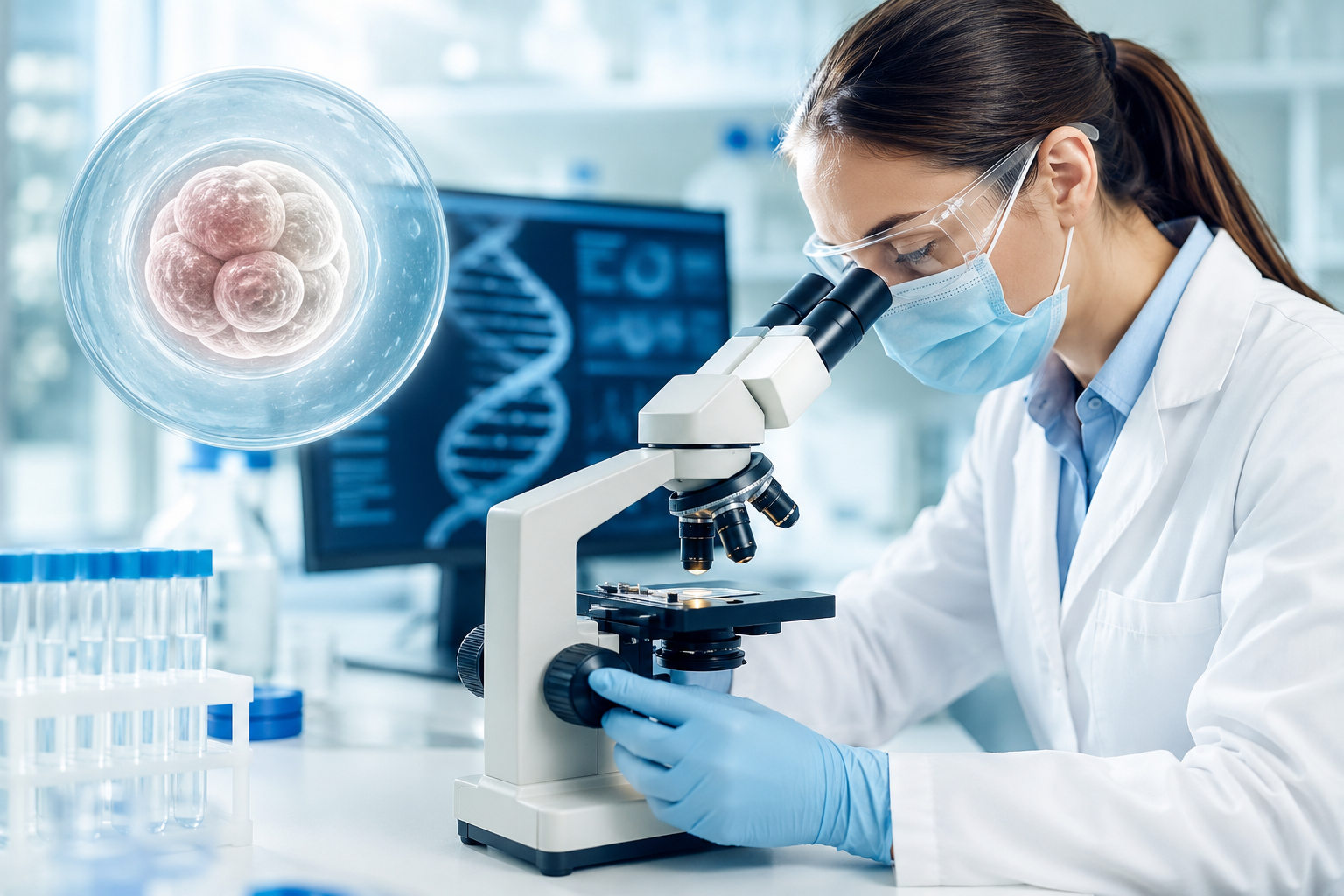



Columbia University’s Gene-Editing Breakthrough Brings Humanity Closer to the Era of Designer Babies In a scientific milestone that seems lifted directly from the pages of science fiction, researchers at Columbia University have achieved a major advance in the field of human embryo gene editing. By refining techniques that allow DNA to be modified with unprecedented precision, scientists have moved one step closer to eliminating inherited diseases before birth—and potentially rewriting the future of human evolution. For decades, genetic engineering has been limited by one major challenge: accuracy. While modern tools such as CRISPR revolutionized biotechnology, they also introduced the risk of unintended genetic changes known as “off-target mutations.” Columbia’s latest research aims to overcome this limitation, enabling highly controlled modifications at the earliest stages of human development. The breakthrough has reignited a global debate that extends far beyond medicine. While supporters envision a future free from devastating genetic disorders, critics warn that the same technology could eventually lead to the commercialization of human enhancement and the creation of so-called “designer babies.”
Why Precision Gene Editing Matters
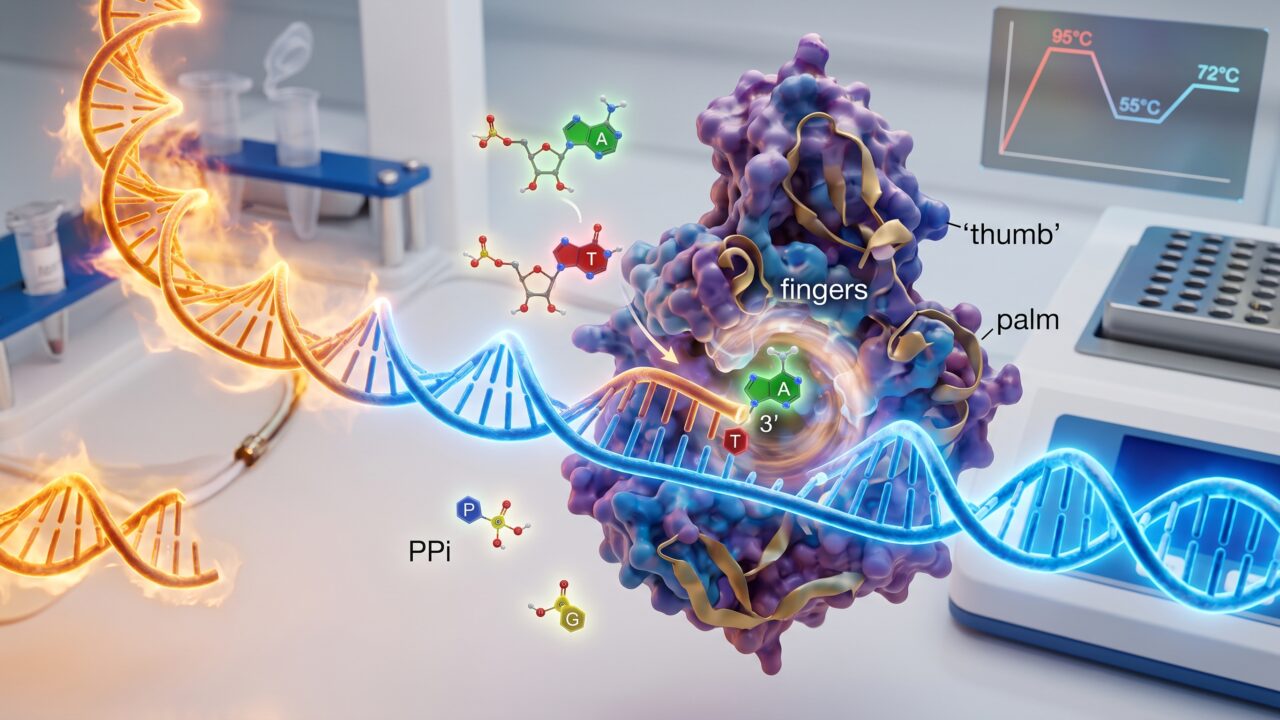
Every human cell contains approximately 3 billion DNA base pairs that serve as the biological blueprint for life. Within this vast genetic code lie thousands of mutations linked to inherited diseases. Traditional CRISPR-Cas9 technology functions like molecular scissors, cutting DNA at specific locations. However, even highly sophisticated gene-editing systems can occasionally alter unintended parts of the genome, creating uncertainty about long-term safety.
To address this issue, scientists worldwide have been developing next-generation technologies, including:
- Base Editing, which changes individual DNA letters without cutting the double helix.
- Prime Editing, often described as a molecular “find-and-replace” tool for genes.
- Enhanced CRISPR variants with significantly improved targeting accuracy.
- Advanced DNA repair-control mechanisms that reduce unwanted mutations.
Columbia University’s work represents another important step toward achieving near-surgical precision in genetic modification, a requirement before any widespread clinical use can be considered.
Scientific Reality: Gene Editing Is Already Being Used in Medicine
The idea of rewriting DNA may sound futuristic, but gene editing has already entered clinical practice. In recent years, regulators in the United States and Europe approved the first CRISPR-based therapies for conditions such as:
- Sickle cell disease
- Beta-thalassemia
These treatments modify the genes of adult patients rather than embryos, but they demonstrate that gene-editing technologies are rapidly transitioning from experimental research into real-world medicine. The success of these therapies is providing valuable safety and efficacy data that may influence future discussions about embryo editing.
The Ethical Divide
As the technology advances, so do concerns about its societal consequences. Many bioethicists support the use of gene editing to prevent severe diseases but draw a sharp line at enhancement applications.
A New Form of Inequality
One of the most frequently cited concerns is the emergence of genetic inequality. If advanced embryo editing remains expensive, access may be limited to wealthy families, potentially creating a future in which biological advantages become concentrated among the economic elite. Some experts warn that this could lead to a society divided not only by wealth but by engineered genetic traits.
Unpredictable Long-Term Effects
The human genome functions as a highly interconnected system. Changing one gene can influence multiple biological pathways in ways scientists may not fully understand today. Even small alterations could produce unexpected consequences decades later.
Consent Across Generations
Unlike adult gene therapy, embryo editing affects individuals who cannot consent to the procedure. Moreover, changes made to reproductive cells could be passed on to future generations, amplifying ethical concerns about permanent modifications to the human gene pool.
The Shadow of the CRISPR Baby Scandal
The debate over embryo editing intensified dramatically in 2018 when Chinese scientist He Jiankui announced the birth of the world’s first genetically modified babies. Using CRISPR technology, he attempted to alter the CCR5 gene in embryos to provide resistance to HIV infection. The announcement triggered global condemnation from scientists, governments, and bioethics organizations. Critics argued that the experiment was medically unnecessary, insufficiently tested, and ethically irresponsible. The incident remains one of the most significant cautionary tales in modern biotechnology and continues to shape regulatory policies worldwide.
Could Designer Babies Arrive Before 2030?
Some futurists argue that the first generation of genetically optimized humans could emerge within the next decade. However, most geneticists view this timeline as highly optimistic. Several major obstacles remain:
- Strict regulatory oversight in most developed countries.
- Safety concerns surrounding heritable genome editing.
- International ethical frameworks and legal restrictions.
- Scientific uncertainty regarding complex human traits.
While disease prevention applications may eventually gain broader acceptance, large-scale genetic enhancement remains a distant prospect.
A Global Biological Arms Race?
The implications of precision embryo editing extend beyond healthcare. Many experts believe that nations investing heavily in biotechnology may view genetic engineering as a strategic technology with economic, medical, and even geopolitical significance. The race to develop safer and more effective gene-editing platforms is already underway across the United States, China, Europe, Japan, and several emerging biotech hubs. As artificial intelligence accelerates genomic research and DNA sequencing becomes cheaper, the pace of innovation is expected to increase dramatically throughout the 2030s.
The Future of Human Evolution
Columbia University’s breakthrough highlights how quickly biotechnology is advancing. What once seemed impossible is steadily becoming technically achievable. For supporters, precision embryo editing represents an opportunity to eliminate suffering caused by inherited diseases and improve public health on a global scale. For critics, it raises profound questions about human identity, fairness, and the limits of scientific intervention. The technology to rewrite the human genetic code is no longer theoretical. The challenge facing society is no longer whether we can edit the blueprint of life—but how responsibly we choose to use that power. As humanity stands at the threshold of a new genetic era, one question remains unanswered:
Will gene editing become a tool for curing disease, or the foundation for designing the next generation of humanity?