


The field of genomic medicine is currently experiencing a profound scientific vector shift. In elite American research hubs, such as the Broad Institute and the Mass General Brigham hospital network, scientists are moving away from the classical CRISPR-Cas9 “molecular scissors” toward a more sophisticated fundamental base of genetic engineering. This evolution marks the transition from crude cutting to high-precision technology, promising a safer and more effective era for treating human disease.
The Evolution of Precision through Base Editing
While traditional CRISPR-Cas9 works by creating double-strand breaks in the DNA—a process that can sometimes lead to unintended mutations or “genomic chaos”—Base Editing offers a more surgical approach. Developed significantly at the Broad Institute, this method allows researchers to chemically convert one DNA letter (nucleotide) into another without breaking the double helix.
By avoiding double-strand breaks, Base Editing minimizes the risk of large deletions or chromosomal rearrangements. This is particularly critical for treating conditions like Sickle Cell Anemia, where a single “misspelling” in the genetic code causes debilitating symptoms. Base Editing can target that specific nucleotide, correcting the error with unprecedented safety.
Prime Editing as the Universal Genetic Word Processor
The newest frontier in this technological expansion is Prime Editing. If Base Editing is a pencil, Prime Editing is a word processor. It provides a “search and replace” function that can perform all types of genetic edits: substitutions, insertions, and deletions.
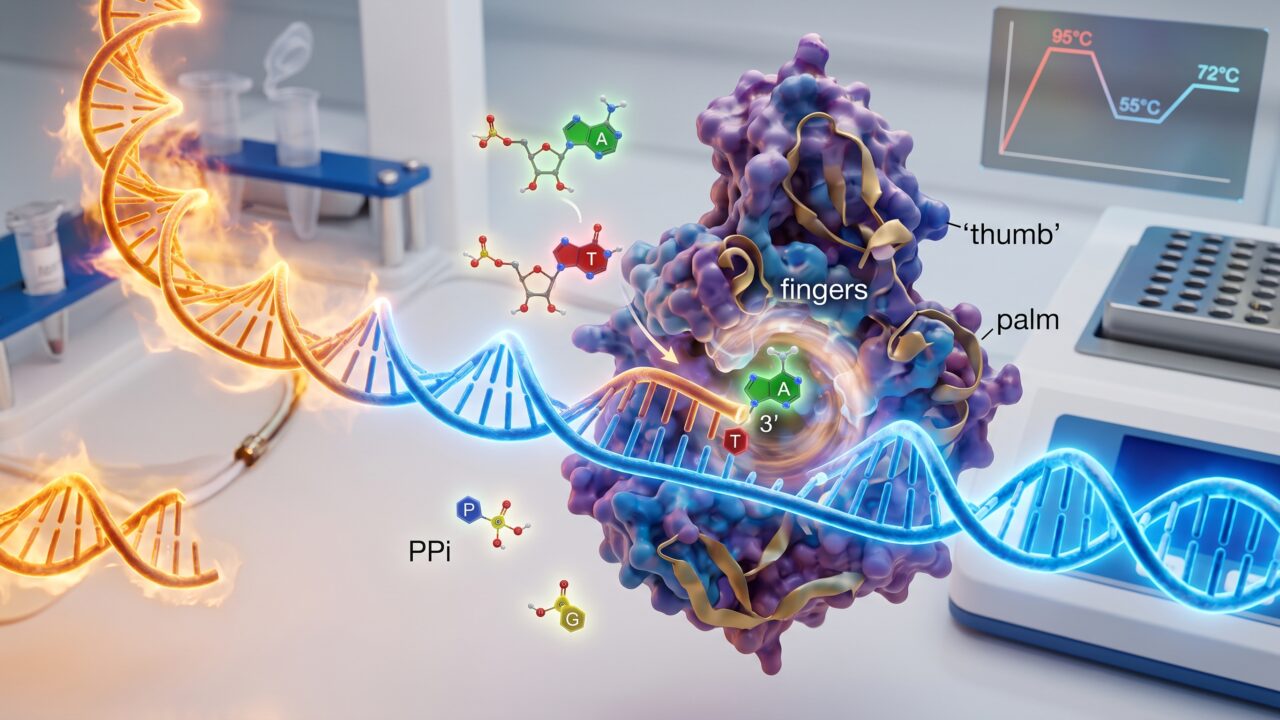
This method is highly versatile because it does not require a double-strand break or a donor DNA template. Instead, it uses a specialized “prime editing guide RNA” (pegRNA) to find the target site and direct the synthesis of new DNA. For patients with complex genetic disorders, this means the ability to correct a wider array of mutations that were previously out of reach for classical CRISPR.
From Agricultural Foundations to Human Longevity
Genome modification has long been a fundamental base in the agricultural world, used to create drought-resistant crops or enhance nutritional value. However, the transition to Base and Prime Editing in human medicine represents a critical innovation skew toward longevity and preventative health.
One of the most promising applications of these advanced methods is the ability to target and remove “dormant mutant genes.” Many individuals carry genetic markers that remain inactive for decades before manifesting as late-onset diseases, such as certain cancers or neurodegenerative conditions. Prime Editing may allow doctors to “clean” the genome by neutralizing these latent threats before they ever trigger a biological catastrophe.
Fundamental Base of Genomic Safety
The shift in American laboratories toward these “nick-only” or “no-break” systems is a human-caused phenomenon driven by the demand for clinical-grade safety. As we move away from the aggressive gene cutting of the past, we are entering a phase of meticulous genetic curation.
The choice to adopt Base and Prime Editing reflects a deeper understanding of biological complexity. We are no longer just trying to “fix” a broken system; we are learning to edit the very manual of life without tearing the pages. As these technologies move from the Broad Institute and Mass General Brigham into global clinical trials, the potential to eradicate hereditary diseases becomes a foreseeable reality, provided we maintain the ethical and scientific guardrails required for such a powerful vector of change.
