

In April 2026, a transformative scientific vector was established in the field of gastroenterology. Medical researchers and microbiologists unveiled a breakthrough technology that utilizes Artificial Intelligence (AI) to analyze the gut microbiome, allowing for the early detection of colorectal cancer without the need for invasive procedures. This innovation marks a shift from structural observation to molecular analysis, providing a safer and more precise fundamental base for diagnostic medicine.
The Specifics of AI Microbiome Diagnostics
Traditional diagnostics focused on visual abnormalities, but the 2026 methodology targets the “biological fingerprints” left by malignant cells within the gut ecosystem. Long before a tumor becomes visible to a camera, the microbial balance of the intestine undergoes a specific shift.
The method relies on identifying Metabolic Biomarkers. Certain strains of bacteria thrive or decline in the presence of early-stage polyps. The AI is trained to recognize these hyper-specific microbial patterns—often referred to as a “cancerous signature”—amidst trillions of other microorganisms. This transition to high-tech diagnostics comes at a time when many experts are discussing the stagnation crisis in fundamental sciences, making this practical application of AI a rare and vital leap forward.
Tools and Implementation of the Analysis
The technology integrates advanced microbiology with high-capacity machine learning. The diagnostic path follows a non-invasive trajectory:
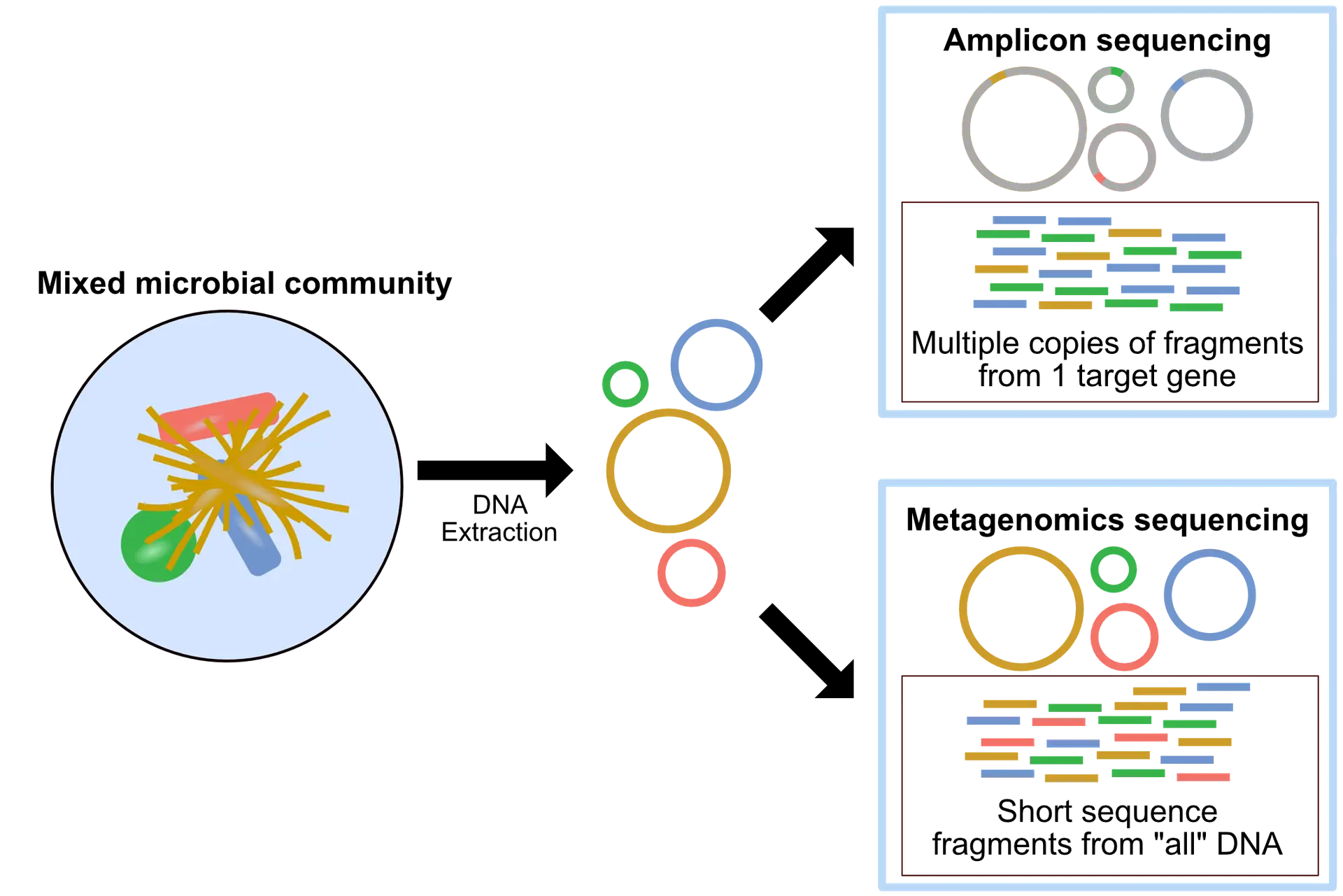
- Metagenomic Sequencing: Instead of a physical probe, a simple stool sample is collected. High-throughput DNA sequencing is used to map the entire genetic profile of the patient’s gut bacteria.
- AI Neural Networks: The raw genetic data is fed into a specialized AI model. This system performs a high-level analysis, comparing the patient’s microbial diversity against a global database of tens of millions of healthy and cancerous profiles.
- Algorithmic Probability: The AI calculates the probability of malignancy by assessing the ratio of pathogenic bacteria to protective ones. It can even detect “precancerous stasis,” where the environment is conducive to tumor growth but no physical growth has started yet.
Why AI Analysis is Superior to Colonoscopy
The transition to microbiome-based testing addresses several critical issues that have long plagued traditional colonoscopies.
Elimination of Risk and Discomfort
Colonoscopies are invasive, require heavy sedation, and carry a small but real risk of bowel perforation. Furthermore, the “preparation” process is physically exhausting for many patients. The AI microbiome test is entirely non-invasive, requiring no prep and posing zero risk to the patient’s physical integrity.
Detection of Hidden Lesions
Visual colonoscopies can sometimes miss small, flat, or hidden lesions located behind folds in the colon. The AI does not rely on “sight”; it relies on the chemical reality of the gut environment. If the cancer is present, the microbial signal is there, regardless of where the tumor is physically located.
Cost and Accessibility
Colonoscopies require specialized surgical suites, anesthesiologists, and significant recovery time. Microbiome analysis can be performed in a standard laboratory setting. This democratizes the diagnostic process, allowing for more frequent screenings and reducing the burden on the healthcare fundamental base.
Reevaluating the Fundamental Base of Preventive Care
The introduction of AI-driven microbiome analysis in April 2026 represents a human-caused phenomenon in medical evolution. We are moving away from reactive medicine—where we look for a problem once it exists—toward predictive medicine, where we analyze the biological environment for the earliest signs of instability.
As these tools become integrated into standard medical practice, the “warrior spirit” of oncology is shifting toward prevention. By silencing the information noise of unnecessary surgeries and replacing them with high-precision molecular data, we are ensuring a future where colorectal cancer is caught long before it becomes a catastrophe. The era of the invasive probe is fading, and the era of the intelligent algorithm has officially begun.