



Higher education in the United States and Europe has reached a critical inflection point in 2026. As the academic landscape shifts under the weight of new federal lending policies and changing demographic realities, universities are no longer just centers of learning—they are being forced to evolve into agile, market-driven entities.
The Lending Shakeup
The catalyst for this transformation is a radical restructuring of student loan accessibility. With the introduction of stricter federal loan rules that took effect on July 1, 2026, the era of “easy credit” for higher education has effectively ended.
Key changes include the elimination of Graduate PLUS loans for new borrowers and the implementation of tighter annual and lifetime caps on borrowing. For many institutions, these policy shifts have dismantled the traditional four-year business model, which relied on a steady flow of tuition-paying students backed by government-subsidized loans. Universities are now seeing a direct hit to their pricing power, forcing them to justify their costs in an environment where capital is no longer limitless.
From Ivory Tower to Education Marketplace
Facing declining enrollment and an increasingly skeptical public that questions the “return on investment” of a traditional degree, universities are pivoting toward survival. This “desperate pivot” manifests in several ways:
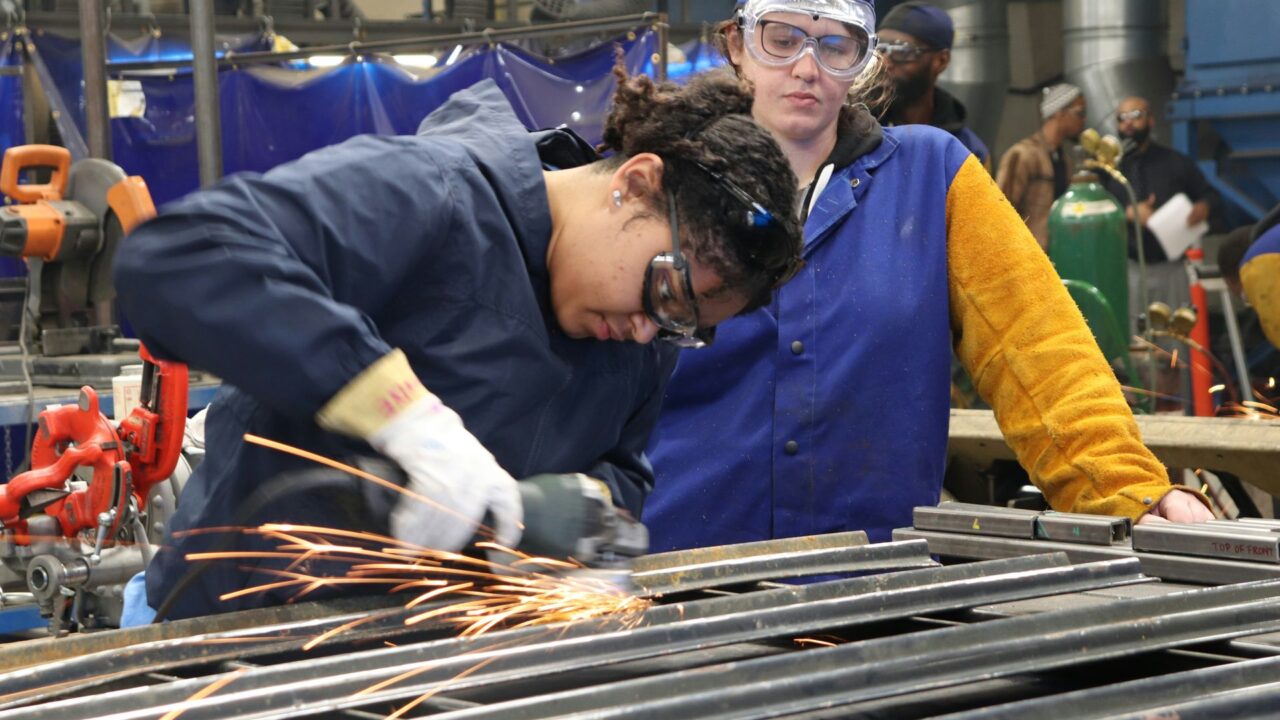
- The Shift to Micro-credentials: Institutions are aggressively rolling out short-term certificates, bootcamps, and modular learning programs. These are designed to be faster, cheaper, and more directly aligned with labor market demands than a standard four-year curriculum.
- Targeting the “Second-Career” Demographic: Recognizing that the traditional pool of 18-year-olds is shrinking, universities are actively courting adult learners. These institutions are positioning themselves as lifelong career partners, offering refresher courses and mid-career pivots to capture the same individual multiple times.
- The “Diploma Store” Critique: Critics argue that this rapid shift toward skills-based, abbreviated programs risks turning universities into “diploma stores.” By prioritizing immediate utility over foundational academic inquiry, institutions are trading their traditional roles as centers of critical thought for the role of vocational training providers.
Optimization and Financial Pressure
The financial strain is palpable. Many institutions are cutting administrative bloat, merging departments, and aggressively pursuing partnerships with private industry to secure alternative revenue streams. In Europe, the pressure is similarly high as institutions face stagnant public funding and the need to remain competitive in a globalized, AI-driven economy.
For the modern student, the landscape is now defined by hyper-personalization and modularity. The goal is no longer just to collect a degree; it is to build a portfolio of credentials that can be updated as technology and economic priorities shift.
The Path Forward
The “demographic cliff” and the new loan realities have created a permanent reset for the higher education market. The universities that survive the next decade will be those that stop functioning as rigid factories for undergraduates and start acting as flexible, lifelong knowledge platforms.
The ivory tower is not necessarily falling, but it is being radically redesigned. As education becomes more expensive and access to traditional funding tightens, the value proposition of a university degree is being scrutinized like never before. The transition from “learning for learning’s sake” to “learning for immediate workforce integration” is complete—and there is no turning back.