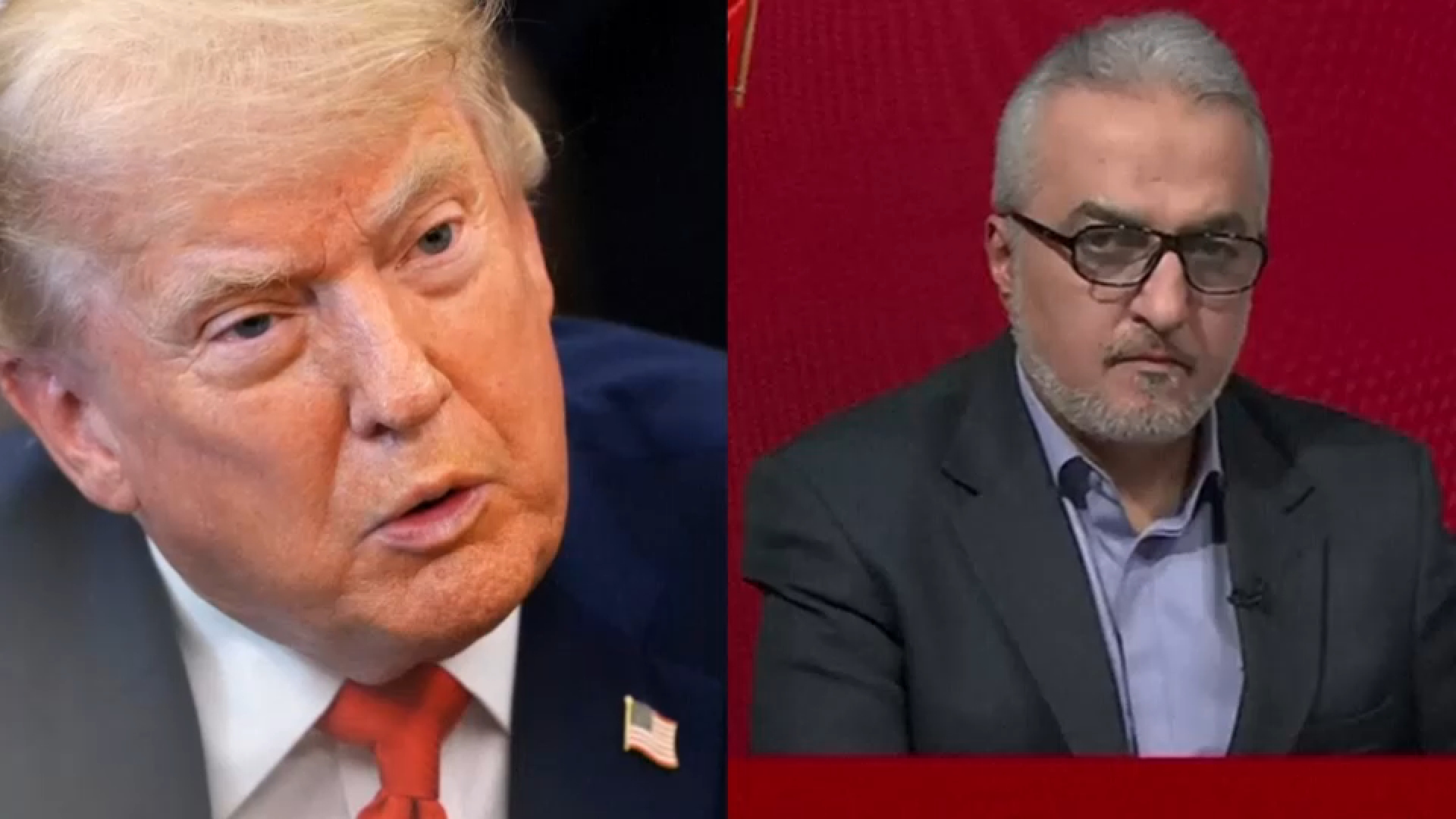





Global attention is once again locked on the Middle East as geopolitical friction reaches a critical boiling point. With rapid military developments and sharp diplomatic rhetoric dominating the international press, millions are actively searching for the latest news on iran war possibilities.
To truly understand this complex escalation, we must examine the driving forces behind the tension, analyze the ongoing military posturing, and evaluate how the political stance of former President Donald Trump continues to shape the diplomatic landscape.
Escalation in the Gulf and What Happened Today
For those asking what happened today regarding the sudden spike in regional security measures, military reports indicate a significant tightening of defenses. Security patrols in critical maritime chokepoints, such as the Strait of Hormuz, have reached their highest readiness levels in months following a series of aggressive statements and localized drone maneuvers.
These rapid changes are keeping international analysts on high alert. The ongoing iran war updates point to a delicate security environment where a single miscalculation by either side could spark an active, wider regional confrontation. The immediate worry among naval commanders is an accidental collision or intercept in these narrow waters, which could rapidly escalate before diplomats have a chance to intervene.
The Shadow of Policy and News About Iran and US Strategy
The current standoff is deeply rooted in years of strategic maneuvering between Washington and Tehran. When reviewing the history of news about iran and us relations, the defining turning point of the modern era remains the 2018 decision by the Trump administration to unilaterally withdraw the United States from the Joint Comprehensive Plan of Action (JCPOA)—commonly known as the Iran nuclear deal.
By implementing a “maximum pressure” campaign characterized by crushing economic sanctions, the U.S. sought to force Tehran back to the negotiating table. Instead, the policy led to several unintended consequences:
- An acceleration of Iran’s uranium enrichment programs, moving them closer to weapons-grade capabilities.
- Increased regional proxy warfare, targeting U.S. assets and allies across Iraq, Syria, and Yemen.
- A complete breakdown of direct diplomatic channels, leaving communication reliant on third-party intermediaries.
With Donald Trump’s prominent position in the 2026 U.S. political landscape, his assertive rhetoric regarding Iran’s regional influence continues to heavily dictate the boundaries of American foreign policy. Tehran’s leadership has repeatedly stated that any return to formal diplomacy is impossible unless existing sanctions are dismantled first—a demand that Washington shows no intention of meeting.
The Threat of Expansion and Assessing the Outbreak of War
As both nations trade warnings, the broader international community is expressing grave concerns over a potential conflict. Any escalation into an open, hot war would have immediate, catastrophic global consequences.
Military experts warn that a direct conflict would not be limited to a standard battlefield. Instead, it would likely involve asymmetric cyber warfare targeting critical infrastructure, retaliatory missile strikes across regional oil facilities, and a complete disruption of global shipping routes that could plunge the international economy into a severe energy crisis.
This complex web of threats is why foreign diplomats are urgently calling for restraint, seeking to cool down a conflict that many fear is slowly slipping out of diplomatic control. The United Nations and European allies are actively working behind the scenes to establish communication hotlines to prevent an unintended escalation.
Deep Dive into the Global Oil and Economic Impact
A major conflict in the region would immediately threaten the global economy, primarily through its impact on energy markets. The Strait of Hormuz, a narrow waterway situated between Oman and Iran, is the world’s most important oil transit chokepoint. Approximately one-fifth of the world’s total petroleum consumption passes through this strait daily.
Even a temporary disruption or block of the strait would cause global oil prices to skyrocket, impacting everything from gas prices at the pump to global supply chains and shipping costs. Analysts estimate that energy markets would see immediate price surges, potentially triggering a worldwide inflationary spike. This economic leverage is a powerful tool in Tehran’s strategic playbook, allowing them to exert pressure on global powers without engaging in direct, conventional warfare.
Frequently Asked Questions
Where can I find the most reliable iran war updates?
Because live situations develop rapidly, the most accurate iran war updates can be found on verified global news networks (such as CNN, Reuters, and the Associated Press), which actively track troop movements, diplomatic statements, and regional maritime security alerts.
Why are tensions between the US and Iran so high right now?
The underlying friction stems from the collapse of the 2015 nuclear deal, ongoing economic sanctions imposed by the U.S., Iran’s advancing nuclear enrichment capabilities, and regional proxy conflicts that frequently put American forces and assets in close contact with pro-Iranian groups.