




TALLINN / TARTU — As the spring thaw settles across Northern Europe, a chilling strategic shadow is lengthening over the Baltic Sea. Intelligence analysts and geopolitical observers are increasingly concerned that the Kremlin may be preparing for a lightning escalation aimed at the Estonian islands of Saaremaa and Hiiumaa. With new legislative triggers in Moscow and a perceived window of vulnerability in NATO’s defenses, May 2026 is emerging as a critical flashpoint for regional security.
The “Protection” Decree: A Prelude to Invasion
The most alarming signal came directly from Moscow today. The State Duma officially passed a law granting the Russian military the authority, by direct presidential decree, to “protect Russian-speaking populations” anywhere in Europe and the world.
This legislative move is widely viewed as the final preparatory stage for military escalation. By creating a legal domestic pretext for intervention, the Kremlin has effectively weaponized the presence of ethnic Russian minorities across the Baltics. This “protection” doctrine is the same rhetorical framework used prior to the invasions of Georgia in 2008 and Ukraine in 2014, signaling that a tactical strike could be imminent.
The Strategic Value of Saaremaa and Hiiumaa
Why are two Estonian islands suddenly the center of global tension? The answer lies in maritime dominance.
Saaremaa and Hiiumaa are not merely scenic territories; they are the “unsinkable aircraft carriers” of the Baltic Sea. Controlling these islands would allow Russia to:
- Enforce an A2/AD (Anti-Access/Area Denial) Zone: Deploying S-400 and Iskander systems on the islands could effectively close the Baltic Sea to NATO naval reinforcements.
- Paralyze the Suwalki Gap: It would isolate the Baltic states from their European allies, making a defense of the mainland nearly impossible.
- Monitor the Nord Stream corridors: Ensuring total control over underwater infrastructure and energy routes.
Estonia’s Vulnerability: The Cost of Solidarity
Estonia has been one of the most vocal and generous supporters of Ukraine, donating a significant percentage of its GDP in military aid. However, this noble commitment has left the nation’s domestic stocks depleted.
- Defensive Gaps: Much of Estonia’s heavy artillery and anti-tank weaponry is currently on the Ukrainian front lines.
- NATO’s Readiness Crisis: As we analyzed in our previous report, Why Northern Europe is the Next Theater of Global Conflict, NATO is currently grappling with a lack of immediate combat readiness. Bureaucratic delays and depleted European stockpiles mean that the “tripwire” force in the Baltics might not receive the heavy support required in the opening hours of a specialized island assault.
Geography and the Summer Offensive
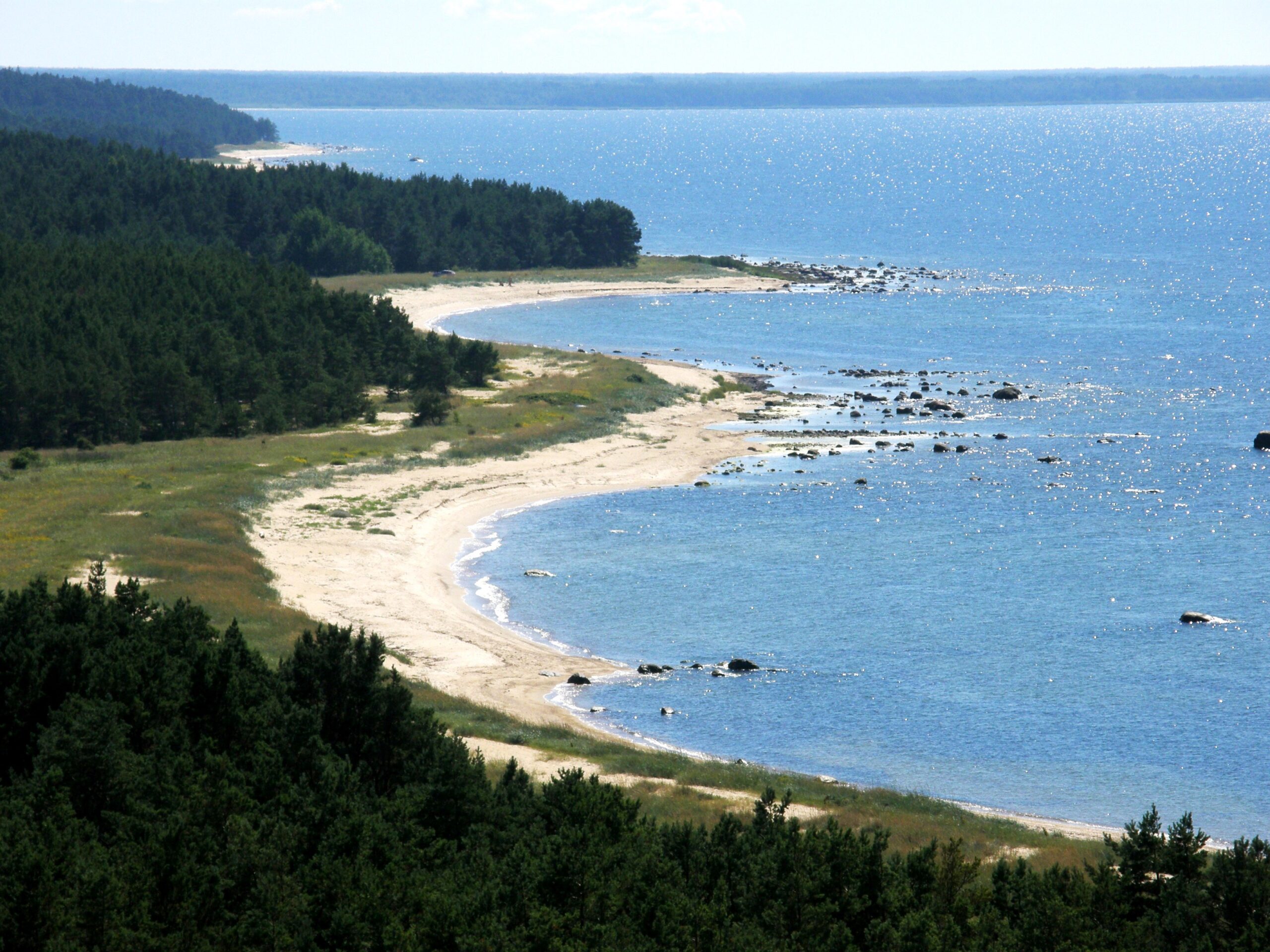
While Estonia is often characterized by its dense forests and wetlands, the islands offer a unique tactical challenge. The rugged coastline and marshes of Saaremaa and Hiiumaa are difficult to navigate, but the approaching summer period provides Russia with its best operational window.
The drier terrain and stable weather in May allow for rapid amphibious landings and airborne operations—tactics Russia has been refining in recent “exercises” in the Baltic enclave of Kaliningrad. The Kremlin understands that waiting until the autumn rains would bog down an invasion force; therefore, the decision to act decisively must come soon.
A Test of Western Resolve
The potential seizure of Estonian islands would be more than a territorial loss; it would be the ultimate test of NATO’s Article 5. By occupying sparsely populated islands rather than a major city like Tallinn, Putin may be betting that the West will hesitate to start a nuclear-level confrontation over “a few rocks in the Baltic.”
However, history teaches that unchecked aggression only expands. If Saaremaa falls in May, the “protection” of Russian-speakers will not stop at the coast. The world must now decide if it is ready to defend the very edges of Europe before the “Baltic Trap” snaps shut.