




In 2026, the world is facing a crisis that extends far beyond the familiar territory of fuel prices at the pump. While geopolitical tensions have focused on energy security, a more subtle but equally devastating disruption is emerging: an impending shortage of petroleum-based products. The recent instability surrounding the Strait of Hormuz—a vital artery for global oil transport—has sent shockwaves through industries that rely on petrochemical derivatives, signaling a crisis that will impact everything from manufacturing to global public health.
The Unexpected Toll on Public Health
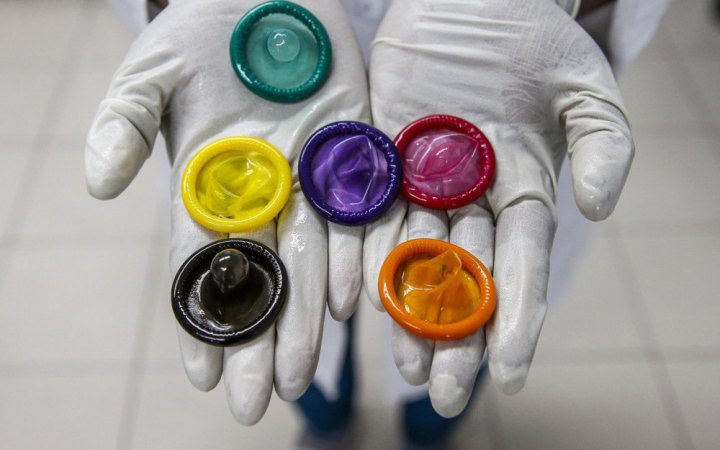
One of the most alarming manifestations of this supply chain bottleneck is the projected surge in the cost of condoms. While it may seem like an unconventional economic indicator, the skyrocketing price of latex and oil-based synthetic polymers threatens to make basic contraceptives inaccessible for low-income populations.
Public health experts are raising red flags: a decrease in the availability of affordable contraception is a direct pathway to a resurgence in sexually transmitted infections (STIs). In a world already grappling with population growth, this “access gap” could lead to an uncontrolled rise in birth rates, compounding the strain on global resources, healthcare systems, and economic stability.
The Double Blow: Policy and Production
This economic pressure is hitting at the worst possible time. In the United States, recent shifts in federal policy—specifically under the Trump administration—have seen the curtailment of programs dedicated to providing subsidized or low-cost reproductive healthcare. This policy reversal acts as a “double blow” to global health efforts, leaving vulnerable demographics with fewer options at the very moment when market prices are skyrocketing.
Beyond healthcare, the crisis exposes the fragility of European industry. Petrochemicals are the lifeblood of modern plastic production. From medical equipment and packaging to essential consumer goods, the inability to source refined petroleum products threatens to destabilize European manufacturing consistency, further eroding the continent’s ability to remain competitive.
The Broader Context of European Vulnerability
This situation is inseparable from the wider economic quagmire discussed in our previous analysis regarding Europe’s struggle to balance trade between China and the United States. As highlighted, Europe is currently trapped between its reliance on Chinese manufacturing and its dependence on American energy resources.
The current disruption in the Strait of Hormuz highlights just how precarious this position is. When a major maritime chokepoint is blocked, Europe’s energy dependency—already stretched thin—threatens to grind domestic production to a halt. The continent is no longer just fighting for affordable gasoline; it is fighting to maintain the supply chains of raw materials that define modern life.
A Crisis of Sustainability
The combination of geopolitical volatility, the restriction of essential health resources, and the erosion of manufacturing autonomy marks a new, uncertain chapter for the global economy. As we move through 2026, the “oil crisis” must be redefined: it is no longer just about fueling our cars, but about maintaining the fundamental components of our health, our infrastructure, and our future population stability.
Unless international leaders move beyond short-term political posturing and address the systemic reliance on fragile global trade routes, the world risks a cascade of consequences that will be felt far beyond the boardroom or the battlefield—right down to the most essential aspects of human welfare.