




In 2026, the European Union finds itself at a critical juncture, struggling to balance its economic pragmatism with increasingly urgent security imperatives. A central friction point is the deepening partnership between Beijing and Moscow, which many European leaders now view as a fundamental obstacle to strengthening trade ties with China.
Finnish Minister for Foreign Affairs Elina Valtonen recently highlighted this core dilemma, noting that the close alignment between Beijing and Moscow hinders the advancement of EU-China trade agreements. Yet, beneath the political rhetoric lies a deeper structural crisis: Europe’s industrial identity is caught in a vice between its reliance on affordable Chinese goods and its dependence on American energy.
The Economic Paradox: Dependency as the New Normal
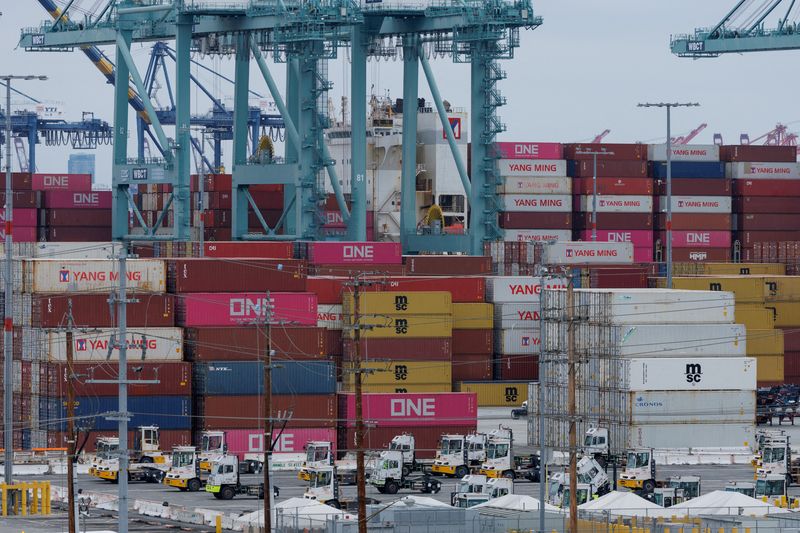
Once a global manufacturing powerhouse, Europe has transitioned into a massive consumer market. The continent’s industrial competitiveness has eroded under the weight of high energy costs, stringent regulatory burdens, and a workforce that prioritizes high wages and shorter working hours. Consequently, European goods often struggle to compete with Chinese products, which benefit from vastly different labor costs and aggressive scaling.
The following table illustrates the current landscape of EU import dependencies (based on estimates for 2026):
EU Import Dependency: China vs. USA
| Category of Goods | Import Share from China (%) | Import Share from USA (%) |
| Consumer Electronics & Textiles | 65% | 10% |
| Industrial Machinery & Components | 40% | 25% |
| Energy Resources (LNG, Oil) | 5% | 55% |
| Critical Raw Materials & Rare Earths | 70% | 15% |
Energy Transition: A Nail in the Coffin of Independence?
The European push for a “Green Energy Transition” was initially envisioned as a path toward autonomy. However, critics argue that the rapid abandonment of traditional energy sources before establishing a resilient, domestic renewable infrastructure has achieved the opposite.
By pivoting away from Russian energy, the EU has exchanged one set of dependencies for another. Europe is now heavily reliant on American LNG for its energy security and on Chinese technology (solar panels, battery cells, and rare earth minerals) for its climate goals. This structural shift has effectively limited Europe’s strategic maneuvering room, leaving the continent tethered to the geopolitical agendas of both Washington and Beijing.
A Crossroads for Europe
As Minister Valtonen and other European officials suggest, the future of the EU’s relationship with China will not be determined by market potential alone. It is a question of whether Europe can resolve its internal contradictions—specifically, the need to maintain a high standard of living while simultaneously rebuilding a competitive industrial base. Unless Europe can secure a path toward genuine energy and manufacturing independence, it risks remaining a permanent stakeholder in a global system where it lacks true agency.