

The concept of transplanting a human head onto a donor body—scientifically known as cephalosomatic anastomosis—has traveled a long road from the pages of science fiction into the sterile environments of modern surgical theaters. While the idea of “body switching” sounds like a solution for those with terminal organ failure or muscular dystrophy, the history of these experiments is a sobering catalog of biological barriers, ethical outcries, and mechanical limitations that have prevented any lasting success.
The Historical Foundations of the Procedure
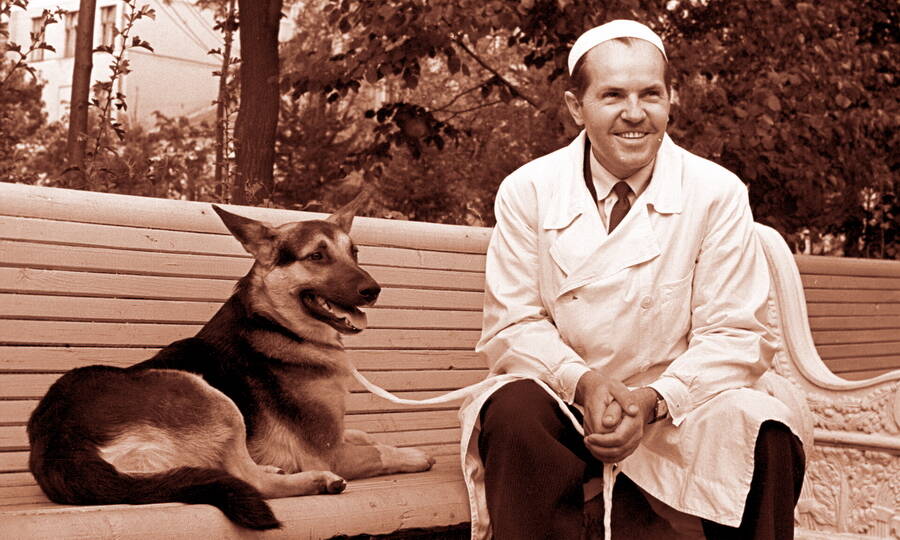
The mid-20th century marked the beginning of serious attempts to bypass the limits of the central nervous system. In the 1950s, Soviet surgeon Vladimir Demikhov conducted pioneering work in organ transplantation. His most famous, albeit controversial, experiment involved grafting the upper body of a puppy onto the neck of an adult German Shepherd. The resulting “two-headed dog” shared a circulatory system, and both heads exhibited independent behaviors like drinking and responding to stimuli. However, the animals inevitably died within days due to massive immune rejection and physiological stress.
In 1970, American neurosurgeon Dr. Robert White took the concept further by performing the first true head transplant on a rhesus monkey. Unlike Demikhov, White completely severed the head of one monkey and attached it to the body of another. The monkey survived for eight days; it could see, hear, and even attempt to bite researchers. However, because the technology to reconnect the spinal cord did not exist, the monkey was quadriplegic and unable to breathe without mechanical assistance. White’s work proved that the brain could survive the transfer of blood supply, but it also highlighted the insurmountable wall of spinal cord repair.
The Modern Controversy of the HEAVEN Project
The debate was reignited in 2013 when Italian neurosurgeon Dr. Sergio Canavero introduced the HEAVEN project (Head Anastomosis Venture). Canavero claimed that modern advancements in chemical engineering could finally solve the problem of nerve reconnection. His proposed method involved using polyethylene glycol (PEG), a “fusogen” that supposedly acts as a molecular glue to fuse the membranes of severed axons in the spinal cord.
In 2017, Canavero and his colleague Dr. Ren Xiaoping reported a “successful” head transplant between two human cadavers in China. They claimed the 18-hour procedure demonstrated that the spine, nerves, and blood vessels could be sutured together. However, the global scientific community largely dismissed these claims, arguing that a procedure on a dead body proves nothing about the survival or functionality of a living person. The lack of peer-reviewed evidence regarding the restoration of motor function remains the project’s greatest criticism.
Why These Experiments Have Failed to Achieve Success
The failure of these experiments to move into clinical reality is not due to a lack of surgical skill, but rather fundamental biological “deal-breakers.”
- The Spinal Cord Gap: The human spinal cord contains millions of nerve fibers that carry signals between the brain and the body. When severed, these fibers do not naturally regrow across the gap. Even with the use of PEG, there is no evidence that we can align millions of microscopic nerves with enough precision to restore movement or autonomic functions like digestion and heart rate.
- Ischemic Injury: The brain is extremely sensitive to oxygen deprivation. During the transfer, even with profound cooling (hypothermia) to slow metabolism, the risk of permanent cognitive damage or “brain death” is nearly certain during the minutes the head is disconnected from a blood supply.
- Hyperacute Rejection: The immune system is hyper-sensitive to foreign tissue. In a head transplant, the body’s immune system would view the entire head as a massive foreign invader. Managing the “immune storm” required to keep the head alive would likely destroy the donor’s organs or leave the patient entirely defenseless against even minor infections.
- Psychological Dissociation: Beyond the physical, researchers warn of “body-mind” incompatibility. The brain is calibrated to its original nervous system. The sensory “input” from a completely different body could lead to unprecedented levels of psychological trauma, potentially resulting in a state of permanent psychosis.
Ethical and Legal Standing
Most medical boards and ethical committees, including the American Association of Neurological Surgeons (AANS), have condemned the procedure as “premature” and “reckless.” The consensus is that until science can reliably repair a paralyzed spinal cord in a single individual, attempting to connect two different individuals is medically irresponsible.
As of now, cephalosomatic anastomosis remains a theoretical exercise. While it has pushed the boundaries of what we understand about vascular surgery and hypothermic protection, the mystery of the human spinal cord remains the ultimate barrier between science fiction and medical fact.