



The concept of school choice has evolved from a niche policy idea into a legislative firestorm across the United States. At its heart, a school voucher is a government-funded certificate that allows parents to withdraw their children from the public school system and apply those public tax dollars toward tuition at private or charter institutions. While the rhetoric surrounding this movement often focuses on “parental rights,” the practical application of these laws has revealed deep-seated concerns regarding the survival of the public education system and the future of social mobility.
The Financial Erosion of Public Education
The most immediate consequence of voucher expansion is the direct redirection of funds away from the public coffers. In many jurisdictions, public schools operate on a per-pupil funding model. When a student exits to a private school, they take a significant portion of that funding with them, yet the public school’s fixed costs—such as heating, electricity, and maintenance—remain unchanged. Critics frequently argue that this policy effectively “bleeds” the public system, leaving it with fewer resources to serve the most marginalized populations.
The Displacement of the Teaching Workforce
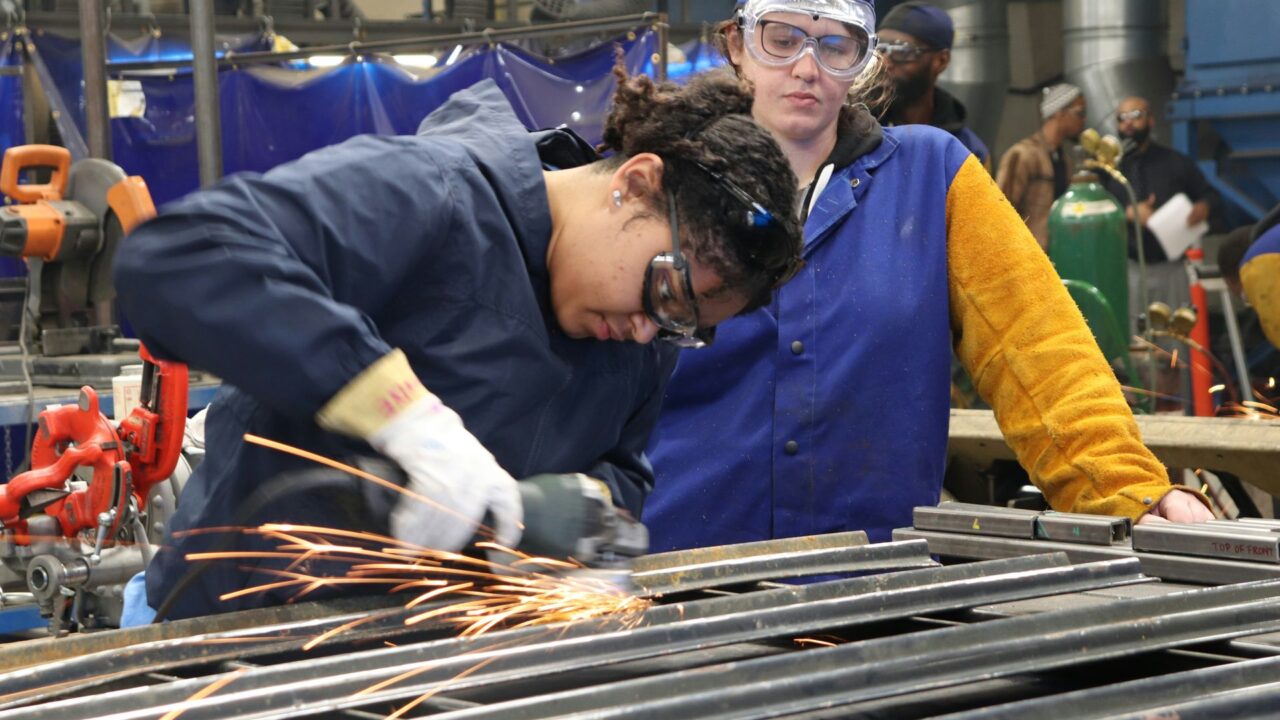
This financial shift creates a ripple effect throughout the labor market. As budgets tighten, school districts are often forced to downsize their staff. This has the potential to leave hundreds of thousands of public-school teachers in a precarious position. Many are forced to transition into the private sector, where they often face lower wages and fewer collective bargaining protections, or they exit the classroom entirely to pursue private tutoring. This migration of talent further weakens the public sector’s ability to provide a high-quality education to those who remain.
State Level Trends and Statistical Impact
The landscape of school choice is shifting rapidly, particularly in states that have moved toward “universal” voucher programs that do not cap eligibility based on income.
Arizona and the Budgetary Surge
Often considered the “ground zero” for universal vouchers, Arizona expanded its Empowerment Scholarship Accounts (ESA) to all students in 2022. By 2024, state data indicated that the program’s cost had ballooned to over $700 million annually, significantly exceeding initial projections. Notably, statistics showed that roughly 75% of the students applying for these vouchers were already enrolled in private schools, suggesting that the program often acts as a subsidy for wealthy families rather than a “lifeline” for the poor.
Florida and the Large Scale Shift
Florida operates one of the largest voucher programs in the nation. Recent expansions have led to billions of dollars being redirected from the public education budget. While proponents point to modest gains in reading scores, opponents highlight that the sheer volume of diverted funds has left many urban public schools struggling to keep up with basic infrastructure needs.
Ohio and the Inflation Gap
In Ohio, the “EdChoice” program has seen a massive surge in participation. Critics point out that as voucher participation rises, the state’s investment in traditional public districts has not kept pace with inflation, effectively resulting in a net loss of purchasing power for schools serving low-income communities.
The Social Cost and the Loss of Talent
The most profound danger of the voucher system lies in the potential for increased social stratification. Most voucher programs do not cover the full cost of elite private education. For a family living below the poverty line, a $7,000 voucher is insufficient to cover a $15,000 tuition bill. Consequently, the “choice” remains an illusion for the most vulnerable.
The Creation of Two Tiered Systems
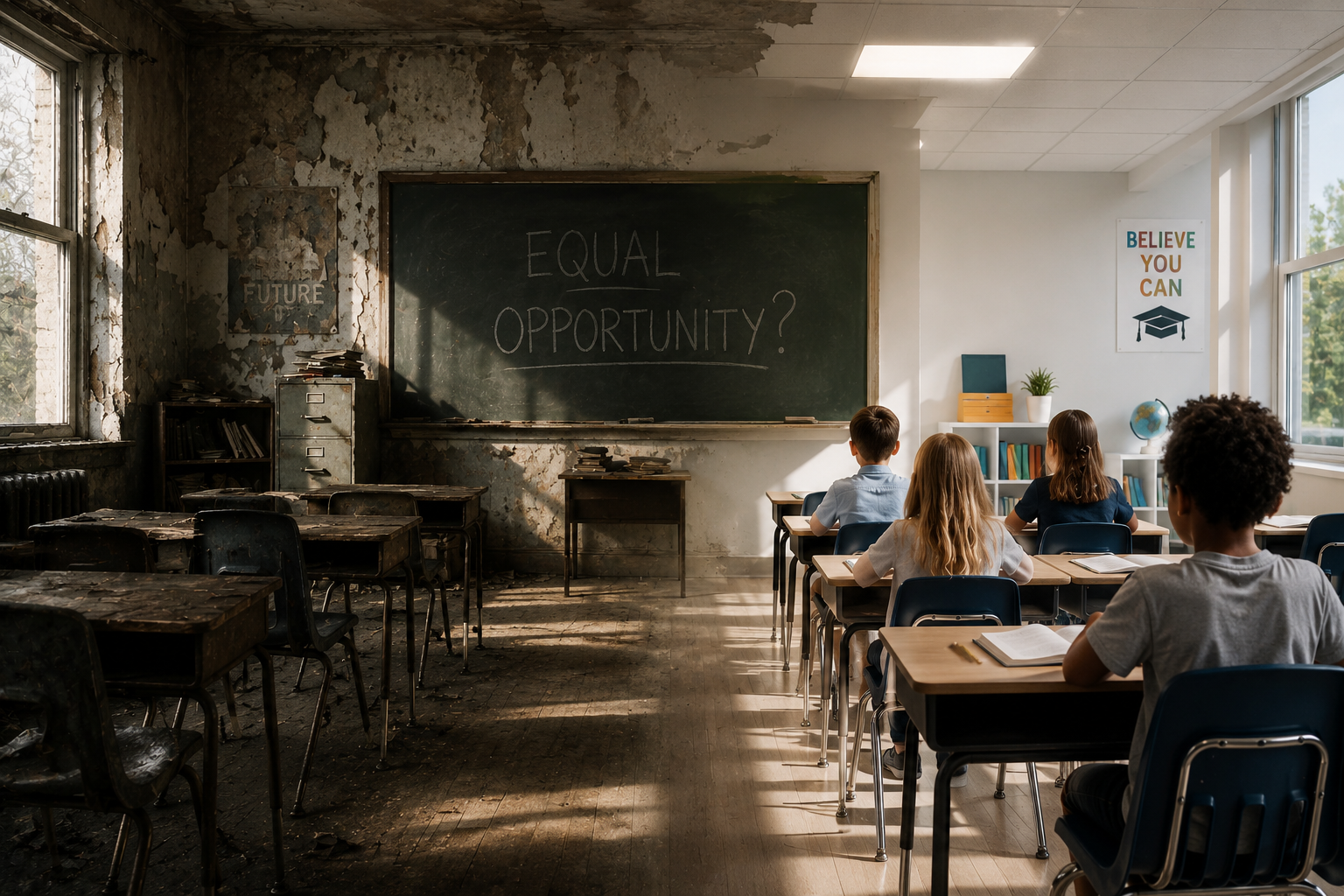
Public schools risk becoming “dumping grounds” for students with high needs, disabilities, or those whose families cannot afford the “top-up” tuition or the transportation costs associated with private schools. By stripping these communities of their most active parents and resources, the system risks stifling the “talents from the bottom.”
The Long Term Economic Consequences
When a gifted child in a low-income neighborhood is stuck in a crumbling, underfunded public school because their family cannot afford the “extra” costs of a voucher-funded private school, society loses a potential innovator. The result is a cycle of poverty where the escape hatch of education is only available to those who already have a foot in the door, leading to a permanent loss of human capital and economic potential.
Does seeing how states like Arizona have handled the budget surge change your perspective on whether these programs should be universal or needs-based?