





An investigation into the geological theories regarding magmatic plumes in Northern Eurasia, recent seismic anomalies, and the controversial predictions of a world-altering volcanic event.
The Siberian Mantle Plume and the Scientific Grounds for Global Alarm
Geologists have long identified the Siberian Craton as one of the most volatile volcanic regions in Earth’s history. Millions of years ago, the Siberian Traps—a massive volcanic province—triggered the “Great Dying,” the planet’s most severe extinction event. Today, a growing body of controversial research suggests that a massive magmatic plume beneath Siberia is once again becoming active. While mainstream science remains cautious, specific seismic trends and warnings from international researchers have ignited a debate over a potential explosion that could fundamentally alter the planet.
The Nature of Magmatic Plumes and the Siberian Anomaly
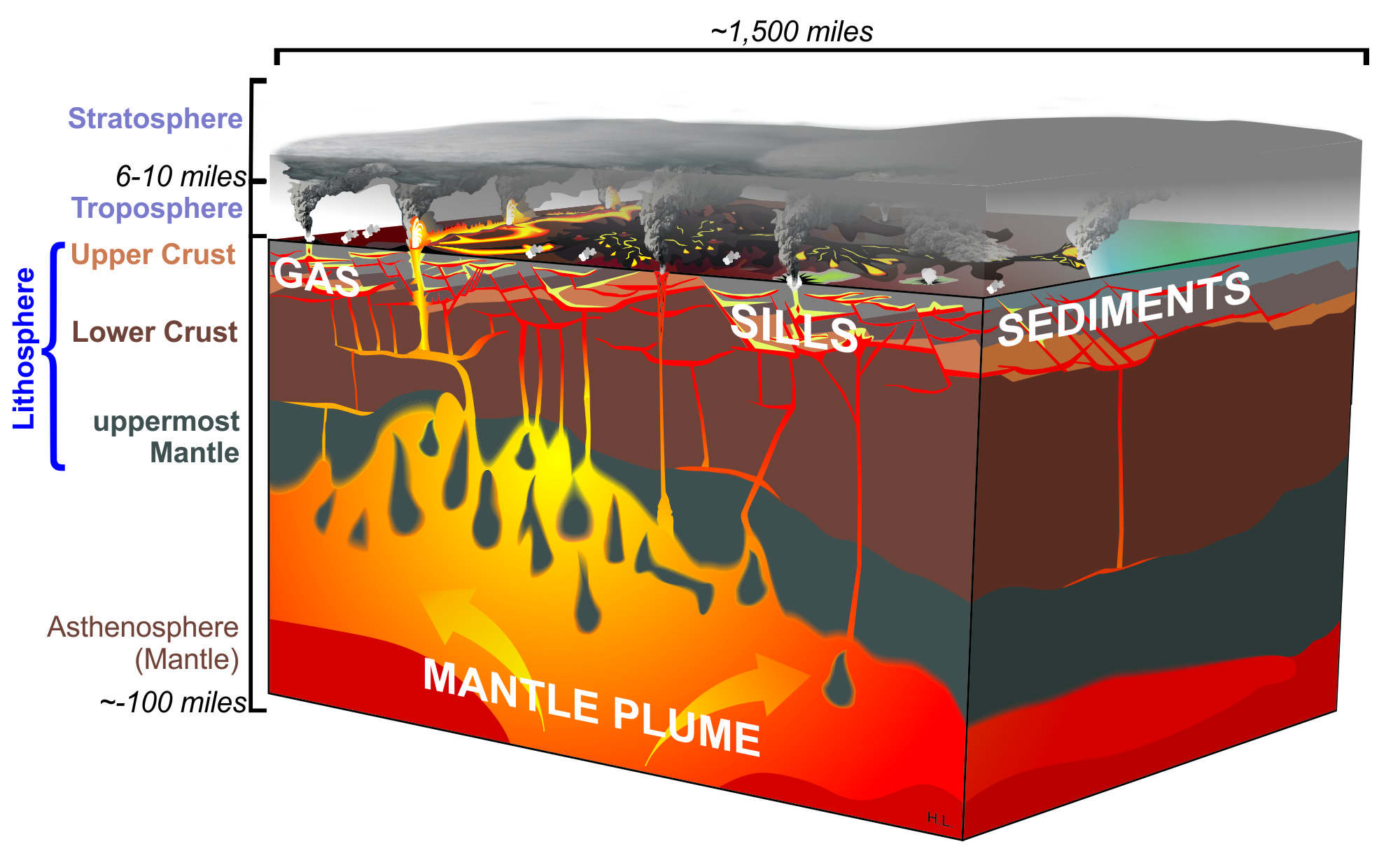
A magmatic plume is a vertical upwelling of abnormally hot rock that rises from the Earth’s mantle-core boundary. As it reaches the lithosphere, it causes the crust to melt, creating a massive reservoir of pressurized magma.
Geological Warning Signs and Expelled Research
In recent years, several American geophysicists engaged in collaborative research at Siberian monitoring stations reported anomalies in thermal radiation and crustal deformation. These scientists warned that the velocity of the plume’s ascent was accelerating. However, geopolitical tensions led to the sudden termination of these joint ventures, with Western researchers being expelled from the region. This has left a vacuum in transparent data, leading to fears that the true state of the Siberian mantle is being obscured from the global scientific community.
H3 Global Seismic Resonance
The argument for an impending eruption is supported by an unusual increase in deep-focus earthquakes and seismic “humming” recorded by stations worldwide. Proponents of the “Deep Pressure Theory” suggest that the Siberian plume is currently interacting with the crustal plates in a way that resonates across the globe. This synchronized seismic activity is interpreted by some as the final “inflation” phase before a catastrophic breach of the Siberian crust.
The Catastrophic Scale of a Potential Eruption
If the Siberian plume were to erupt with the force predicted by some models, the event would far exceed any volcanic activity recorded in human history. We are not describing a standard volcano, but a “Super-Plume” event.
- Atmospheric Collapse: The release of trillions of tons of sulfur dioxide and carbon dioxide would trigger an immediate and prolonged “volcanic winter,” followed by extreme global warming, effectively halting global agriculture.
- The Orbital Shift Hypothesis: One of the most radical claims involving this event is the potential for an Orbital Displacement. The theory suggests that a massive, instantaneous expulsion of subterranean mass, combined with the sheer kinetic force of the blast, could create a “recoil” effect. In extreme physics models, this redistribution of Earth’s internal mass could slightly alter the planet’s center of gravity, potentially causing a measurable shift in its orbital path or axial tilt.
Global Implications and the Future of the Planet
An explosion of this magnitude would not be a regional disaster; it would be a planetary reset. The shockwaves alone would trigger secondary earthquakes and tsunamis across every continent.
- Hemispheric Destruction: The immediate blast radius and ash fall would render a significant portion of the Northern Hemisphere uninhabitable within weeks.
- Geopolitical Stalemate: The lack of transparency regarding the Siberian stations makes international preparation impossible. Without shared seismic data, the world remains blind to the exact countdown of the event.
- Technological Failure: The electromagnetic interference and atmospheric changes caused by such a massive plume eruption could disable global satellite communications and power grids indefinitely.
The Silent Threat Beneath the Tundra
The theory of a rising Siberian magmatic plume challenges our understanding of planetary stability. While the expulsion of American scientists has limited the flow of information, the Earth’s own seismic activity continues to provide a warning. Whether the result is a localized geological shift or a catastrophic event that moves the Earth on its orbit, the Siberian Craton remains the most significant “ticking clock” in modern geology. The civilized world must decide whether to continue ignoring these deep-earth signals or to find a way to re-establish the global scientific cooperation necessary to monitor a threat that knows no borders.
you’re in reality a good webmaster. The website loading pace is amazing.
It sort of feels that you are doing any distinctive trick.
In addition, The contents are masterpiece.
you’ve performed a excellent activity in this matter!