




An analysis of the role of viruses in the evolution of species, their unique biological classification, the mechanisms of their modification, and the potential risks they pose to human existence.
The Invisible Sculptors of Life: Viruses and Evolutionary Theory
When we think of evolution, we typically imagine a vertical process: parents passing genetic traits to their offspring. However, modern biology has revealed a far more chaotic and fascinating mechanism known as Horizontal Gene Transfer (HET). In this process, viruses act as the primary couriers, moving genetic material between completely unrelated species. This “parallel” movement of genes has shaped the tree of life more than we previously dared to imagine.
The Viral Kingdom: Why Viruses Stand Alone
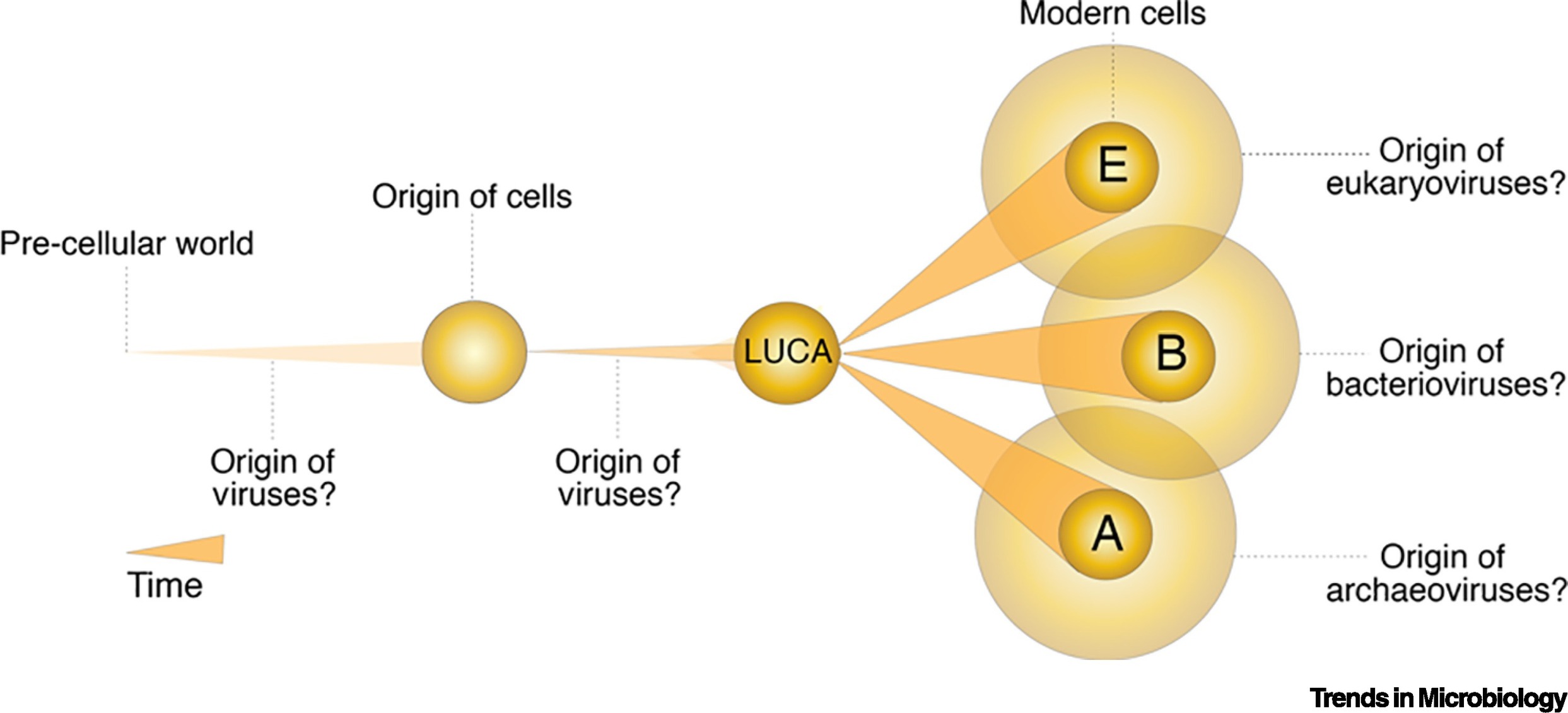
One of the most debated topics in biology is whether viruses are “alive.” Currently, they are excluded from the traditional three-way classification of life (Archaea, Bacteria, and Eukarya) and are often placed in their own separate realm or “kingdom.”
Between the Living and the Dead
Viruses are unique because they lack the fundamental machinery for life:
- Metabolism: They do not consume energy or produce waste.
- Reproduction: They cannot replicate on their own; they must hijack the molecular factories of a living host cell.
- Cellular Structure: They are essentially just genetic “software” (DNA or RNA) wrapped in a protein “hardware” shell (capsid).
Horizontal Gene Transfer: The Parallel Evolution
Viruses do not just kill cells; they often “edit” them. Through a process called transduction, a virus can accidentally pick up a piece of DNA from one host and “stitch” it into the genome of the next host it infects.
The Human Genome as a Viral Graveyard
Did you know that approximately 8% of the human genome consists of remnants of ancient viruses? These are known as Endogenous Retroviruses (ERVs). Millions of years ago, these viruses infected our ancestors’ germ cells (sperm or eggs) and became a permanent part of our DNA.
- The Placenta Connection: One of the most famous examples of viral evolution is the protein syncytin, which is essential for the development of the human placenta. This protein was originally a viral gene used to fuse viral membranes with host cells. Without an ancient virus “donating” its genes to us, humans would likely still be laying eggs.
How Viruses Modify and Adapt
Viruses are the fastest-evolving entities on Earth. Their ability to modify themselves is the key to their survival against immune systems and vaccines.
Mutation and Reassortment
- Antigenic Drift: This occurs when small, random errors happen during the copying of viral genetic material. These tiny mutations eventually change the surface of the virus so much that the immune system no longer recognizes it (why we need new flu shots every year).
- Antigenic Shift (Reassortment): This is a “genetic explosion.” If two different viruses (e.g., a bird flu and a human flu) infect the same cell simultaneously, they can swap entire segments of their genomes. This creates a brand-new “hybrid” virus to which no human has immunity.
Can Viruses Wipe Out Humanity or Conquer the Earth?
Science fiction often depicts a “super-virus” that ends the human race. While the threat is real, biological reality is more nuanced.
The Paradox of Lethality
From an evolutionary standpoint, a virus that kills 100% of its hosts is a failure. If the host dies too quickly, the virus cannot spread. The most “successful” viruses are those that cause mild illness, allowing the host to walk around and infect others. Therefore, a virus that “extinguishes” humanity would likely extinguish itself, which contradicts the biological drive to persist.
The Viral Hegemony
In a sense, viruses have already conquered the Earth. There are more individual viruses in the ocean than there are stars in the observable universe. They regulate the populations of bacteria and plankton, maintaining the global oxygen balance. Humanity is a tiny part of a planet that is, fundamentally, a viral ecosystem.
A Symbiotic Future
While viruses can cause devastating pandemics, they are also the engines of genetic diversity. Without the parallel transfer of genes, life on Earth would be stagnant and fragile. The future of medicine likely lies in virotherapy—harnessing the virus’s natural ability to modify genes to cure genetic diseases or target cancer cells. We are not just at war with viruses; we are their products, their hosts, and their future collaborators.